
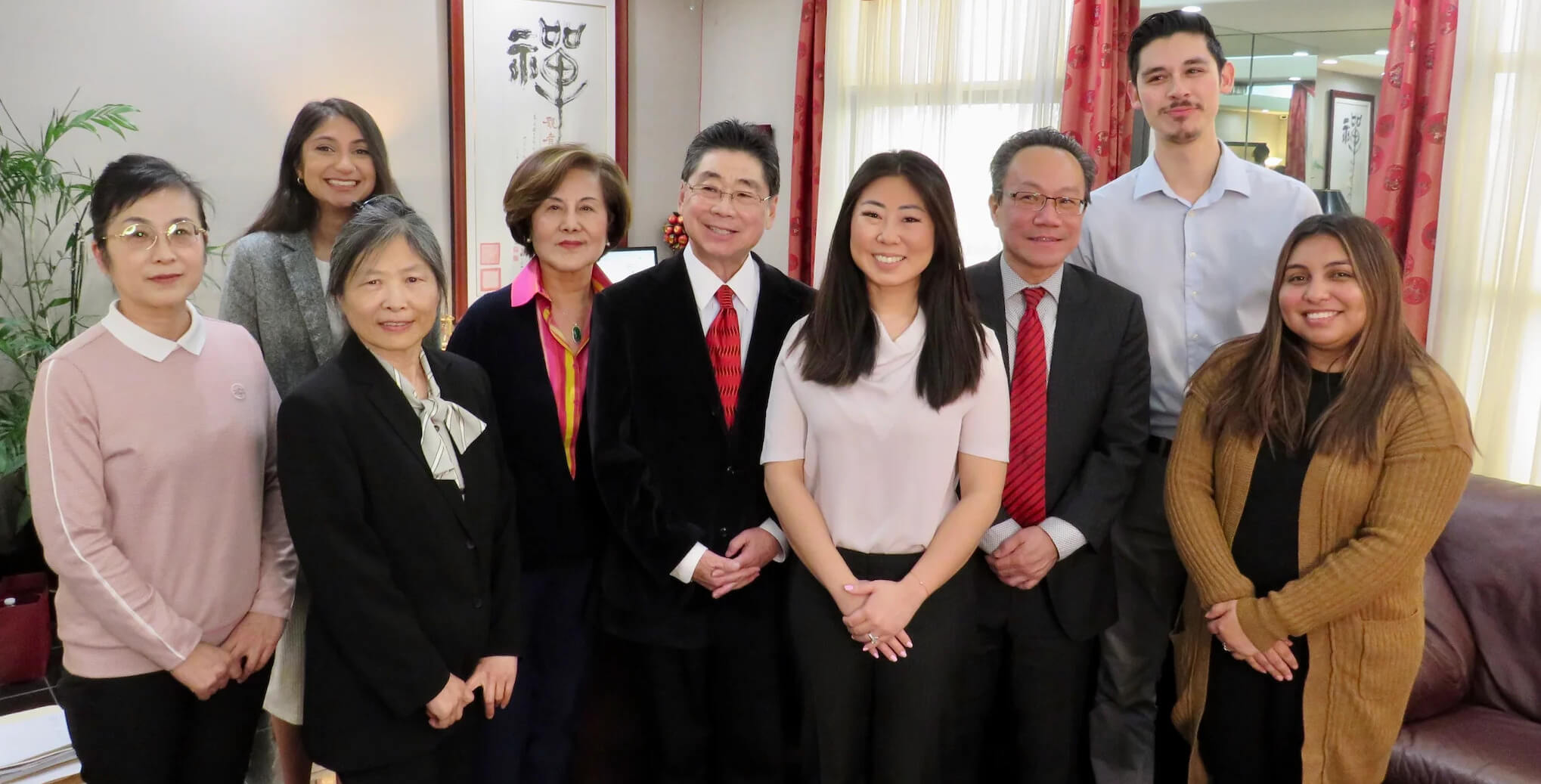
Why Choose Us?
-

Unmatched Expertise
Trust in Peter Chu's 75+ years of collective experience to guide you through complex immigration matters.
-

Tailored Solutions
Our personalized strategies adapt to your unique circumstances, ensuring we meet your specific immigration needs.
-

Proven Success
Benefit from our solid track record in achieving favorable outcomes in various immigration cases across San Diego.
-

Dedicated Service
Experience our client-first approach that ensures constant support and guidance throughout your immigration journey.


Get clear, expert legal guidance tailored to your visa, green card, or citizenship needs.

Inquire now to check if you qualify
EB-1A Extraordinary Ability Visa Berkeley vs. Other Immigration Pathways
Berkeley professionals pursuing permanent residency typically evaluate three pathways: EB-1A extraordinary ability (self-petition, no employer required), EB-1B outstanding researcher (requires permanent job offer), and EB-2 NIW national interest waiver (requires advanced degree and U.S. benefit argument). The correct choice depends on your credentials, timeline, and whether you have employer sponsorship. Here's the honest answer: EB-1A has the highest evidentiary bar but the fastest pathway to permanent residency — no labor certification, no employer sponsorship, and first-preference quota priority. If you meet three of the ten criteria and can document sustained national acclaim, EB-1A is almost always preferable to EB-2 NIW, which requires proving that waiving the job offer requirement serves U.S. national interest — a subjective standard. EB-1B is appropriate only if you have a permanent research position offer and prefer not to self-petition.
| Pathway | Employer Sponsor Required | Evidentiary Standard | Processing Time | Professional Assessment |
|---|---|---|---|---|
| EB-1A | No — self-petition | 3 of 10 criteria, sustained acclaim | 6–12 months (premium available) | Best for independent researchers, entrepreneurs, artists with documented recognition |
| EB-1B | Yes — permanent job offer | 2 of 6 criteria, outstanding researcher | 6–12 months | Appropriate for tenured faculty, industry researchers with sponsorship |
| EB-2 NIW | No — waived | Advanced degree + national interest | 12–24 months | Slower than EB-1A, lower bar than extraordinary ability, subjective approval |
| EB-2/EB-3 PERM | Yes — labor certification | Prevailing wage, recruitment | 18–36 months | Longest timeline, employer-dependent, vulnerable to layoffs during process |
Frequently Asked Questions
Find answers to common questions about our services
-
USCIS processing times for EB-1A petitions vary by service center but average 6–12 months for standard processing. Berkeley applicants filing with the California Service Center (which handles most West Coast EB-1A cases) can request premium processing for
-
USCIS regulations at 8 CFR 203.11(e) list ten criteria, and you must satisfy at least three. The criteria include: receipt of major internationally recognized awards; membership in associations requiring outstanding achievement; published material about y
-
Yes — you can file an EB-1A petition from any location worldwide. EB-1A is a self-petition that does not require you to be physically present in the United States at the time of filing. If your petition is approved while you are abroad, you complete the g
-
You can legally file an EB-1A petition without an attorney — USCIS does not require legal representation. However, EB-1A petitions have one of the highest denial rates among employment-based categories because applicants frequently misinterpret the eviden
-
Most immigration attorneys charge flat fees for EB-1A petitions, typically ranging from $5,000 to $15,000 depending on case complexity, field of work, and amount of evidence preparation required. This fee covers petition drafting, evidence review, expert
-
EB-1A is an immigrant visa category (green card pathway), while O-1 is a nonimmigrant visa (temporary work authorization). Both require proof of extraordinary ability, but the evidentiary standards differ slightly — O-1 uses eight criteria and requires su
-
A Request for Evidence (RFE) means USCIS needs additional documentation or clarification before making a decision — it is not a denial. RFE response deadlines are typically 87 days from the notice date, and your response must directly address each deficie
-
Yes — entrepreneurs and startup founders can qualify for EB-1A if they demonstrate extraordinary ability in their field, typically business or technology. USCIS looks for evidence such as: founding or leading organizations with significant revenue or user
Need Personalized Immigration Guidance?

