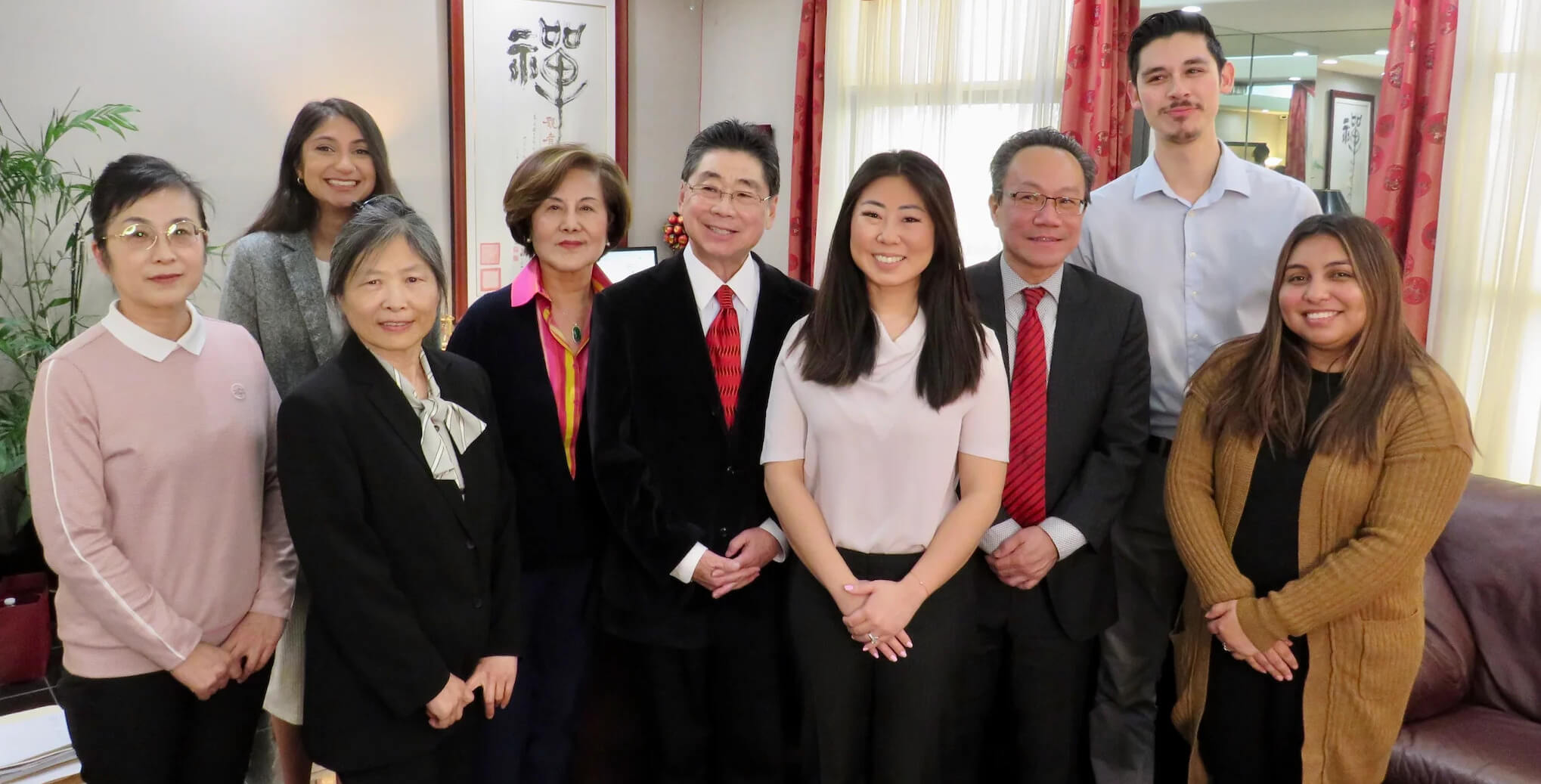

Why Choose Us?

  • Unmatched Expertise

    Trust in Peter Chu's 75+ years of collective experience to guide you through complex immigration matters.

  • Tailored Solutions

    Our personalized strategies adapt to your unique circumstances, ensuring we meet your specific immigration needs.

  • Proven Success

    Benefit from our solid track record in achieving favorable outcomes in various immigration cases across San Diego.

  • Dedicated Service

    Experience our client-first approach that ensures constant support and guidance throughout your immigration journey.

Davis, CA is home to over 22,000 university researchers, postdoctoral fellows, and graduate students — making it one of the highest concentrations of advanced-degree talent per capita in California and a natural pipeline for EB-1A extraordinary ability visa petitions. For scholars and innovators throughout Davis who have published research, earned citations, or received national recognition in their field, the difference between a denied petition and approval often comes down to how evidence of extraordinary ability is framed under 8 CFR 204.5(h)(3). Law Office of Peter Darwin Chu represents EB-1A petitioners in Davis with direct knowledge of USCIS adjudication standards and Yolo County's unique academic and agricultural research community.

Book a Consultation

Law Office of Peter Darwin Chu is a California-licensed immigration law firm serving Davis residents seeking EB-1A extraordinary ability visa representation — with petitions prepared specifically for USCIS California Service Center adjudication, evidence framing aligned with current Policy Manual guidance, and consultations available within one week of inquiry. Our firm focuses exclusively on employment-based and nonimmigrant visa cases, ensuring every EB-1A petition reflects the evidentiary depth required for approval without labor certification.

EB-1A Attorney Davis Available Across Davis and Surrounding Areas

Law Office of Peter Darwin Chu represents EB-1A petitioners throughout Davis, CA and Yolo County — including Old North Davis, University Avenue corridors, and West Davis neighborhoods (zip codes 95616, 95617, 96108). All California residents with qualifying extraordinary ability evidence are eligible for representation regardless of county, and we regularly serve clients relocating to Davis for academic or research positions at UC Davis, the USDA Western Regional Research Center, or private agricultural biotechnology firms.

What Davis EB-1A Petitioners Can Access

Initial EB-1A Eligibility Assessment

A substantive 60–90 minute review of your publication record, citation metrics, peer review activity, awards, and professional memberships to determine whether you meet at least 3 of the 10 regulatory criteria under 8 CFR 204.5(h)(3) — or qualify under the smaller subset reserved for major internationally recognized awards. In Davis's academic community, we regularly assess cases involving Nature or Science authorship, NSF CAREER Awards, and editorial board appointments. This consultation identifies evidentiary gaps before petition preparation begins and provides a written strategic recommendation.

EB-1A Petition Preparation and USCIS Filing

Complete petition assembly including Form I-140, a detailed legal brief analyzing how your evidence satisfies the two-step Kazarian standard (meeting at least 3 criteria, then demonstrating sustained national or international acclaim), sworn declarations from independent experts in your field, and organized exhibits with citation reports, award letters, and peer review records. Davis petitioners in agricultural sciences, engineering, and biomedical research benefit from our experience translating technical achievements into evidentiary language USCIS adjudicators recognize. Filing includes premium processing when time-sensitive employment or travel is at stake.

Premium Processing and RFE Response

If USCIS issues a Request for Evidence challenging your initial submission — common in cases relying on lesser-known journals, regional awards, or early-career citation counts — we prepare detailed RFE responses with additional expert letters, supplemental citation analysis, and comparative evidence demonstrating how your work meets the statutory standard. Davis-based researchers often face RFEs questioning whether their university appointments constitute "critical or essential" roles; we address these with departmental letters and funding documentation. Premium processing reduces adjudication time to 15 calendar days and is available for an additional USCIS fee of $2,805 as of 2026.

EB-1A Visa Pathway Guidance

For petitioners unfamiliar with employment-based immigration categories, we explain how the EB-1A extraordinary ability classification differs from EB-1B (outstanding professor/researcher requiring a permanent job offer) and EB-2 NIW (national interest waiver). The EB-1A's self-petition structure — no employer sponsorship or labor certification required — makes it uniquely suited to Davis postdocs and visiting scholars transitioning between academic appointments or launching startups based on university research.

Get clear, expert legal guidance tailored to your visa, green card, or citizenship needs.

Licensed California Immigration Practice

Law Office of Peter Darwin Chu is licensed to practice immigration law in California and maintains professional liability coverage as required under California Rules of Professional Conduct Rule 1.4.2. Our firm operates under the ethical guidelines of the American Immigration Lawyers Association (AILA) and complies with all USCIS representation standards under 8 CFR 292.1. Every EB-1A petition is reviewed by a California-licensed attorney before filing — no paralegal-only preparation. We provide written fee agreements before representation begins and itemize USCIS filing fees separately from attorney fees, ensuring full transparency under California State Bar billing requirements.

Inquire now to check if you qualify

What If I Am a Postdoc at UC Davis — Do I Qualify for an EB-1A Visa in Davis?

Postdoctoral positions alone do not establish EB-1A eligibility, but postdocs frequently accumulate the evidence required under the 10 regulatory criteria — particularly original scientific contributions, authorship in major journals, and peer review activity. In Davis, we regularly represent postdocs whose work in plant genomics, veterinary medicine, or sustainable agriculture has generated high citation counts or resulted in patents. The critical question is whether your contributions rise to the level of sustained national or international acclaim, not whether your job title is "postdoc" versus "professor." A postdoc with 50+ citations, first-author publications in high-impact journals, and evidence of work being implemented by other researchers may have a stronger EB-1A case than a tenured professor with fewer measurable contributions. USCIS evaluates the totality of evidence, not academic rank.

What If My Research Is Highly Specialized — Will USCIS Understand My Field in Davis?

USCIS adjudicators are generalists, not subject-matter experts in niche fields like CRISPR gene editing or precision irrigation modeling. This is why expert letters from recognized authorities in your field are critical — they translate technical achievements into language that demonstrates extraordinary ability to a non-specialist reader. For Davis petitioners working in emerging areas, we draft petitions that contextualize your work's significance by citing adoption rates, funding sources (NSF, USDA, NIH), and media coverage in venues like Science Daily or university press releases. A well-prepared EB-1A petition does not assume USCIS knows your field; it builds the case from the ground up.

What If I Have Publications But Low Citation Counts — Can I Still File in Davis?

Low citation counts do not automatically disqualify an EB-1A petition, but they shift the evidentiary burden to other criteria: judging the work of others (peer review for journals or grant agencies), membership in associations requiring outstanding achievement, authorship of scholarly articles in major media, or evidence that your work has been implemented or adopted by others in the field. In Davis, early-career researchers often strengthen petitions by highlighting invited conference presentations, editorial board appointments, or collaborations with national labs. Here's the honest answer: if your only strong criterion is authorship and your citation count is below 100, you may face an RFE — but cases have been approved with as few as 30 citations when combined with peer review activity, awards, and expert letters explaining the field's citation norms.

What If I Am Already in the U.S. on an H-1B — Can I File an EB-1A While in Davis?

Yes — the EB-1A is a self-petition and does not require employer sponsorship, so you can file while maintaining H-1B status with your current Davis employer (UC Davis, a research institute, or a private company). Filing an EB-1A does not affect your H-1B status, and approval of the I-140 petition does not require you to leave your current position. However, transitioning from approved I-140 to permanent residency (adjustment of status) will require either continued employment in your field of extraordinary ability or evidence that you intend to continue working in that field. Many Davis researchers file EB-1A petitions while on H-1B or O-1 visas to secure an earlier priority date and avoid the EB-2 or EB-3 backlogs.

Choosing an EB-1A Attorney in Davis vs. Other Immigration Pathways

Davis researchers and professionals considering EB-1A petitions often weigh this option against employer-sponsored EB-2 or EB-3 classifications, EB-1B petitions requiring permanent job offers, or EB-2 National Interest Waiver (NIW) filings. Each pathway has distinct evidentiary standards, timelines, and strategic trade-offs.

Here's the honest answer: the EB-1A's self-petition structure makes it the fastest route to permanent residency for individuals who qualify — no labor certification, no employer sponsorship, and current priority dates with no backlog for most countries as of 2026. But USCIS applies the "sustained national or international acclaim" standard rigorously, and cases that barely meet 3 of the 10 criteria often receive RFEs or denials. An EB-2 NIW may be more appropriate for researchers whose work has clear national importance but whose citation counts or awards do not yet reach EB-1A thresholds. Davis petitioners benefit from consulting an attorney who can assess all employment-based options and recommend the pathway with the highest probability of approval given the current evidence.

PathwayEmployer Sponsorship RequiredLabor CertificationTypical TimelineBest For
EB-1A Extraordinary AbilityNo (self-petition)No6–12 months (premium available)High-impact researchers, award recipients, widely cited scholars
EB-1B Outstanding Professor/ResearcherYes (permanent job offer)No12–18 monthsTenured or tenure-track faculty with job offer
EB-2 NIWNo (self-petition)No12–24 monthsWork of substantial national importance, lower evidentiary bar than EB-1A
EB-2 or EB-3 (PERM)YesYes (6–12 months)18–36 months totalStandard employer sponsorship, subject to quota backlogs

Get in touch

Frequently Asked Questions

Find answers to common questions about our services

  • Standard EB-1A processing through USCIS California Service Center averages 6–9 months from filing to decision as of 2026, though timelines vary based on RFE issuance and case complexity. Premium processing is available for an additional $2,805 USCIS fee a

  • Attorney fees for EB-1A petition preparation typically range from $8,000 to $15,000 depending on case complexity, the number of expert letters required, and whether premium processing or RFE response is included. USCIS filing fees are separate: $700 for F

  • Yes — F-1 students can file EB-1A petitions, though approval does not automatically grant work authorization or change your current status. An approved I-140 establishes your priority date and immigrant intent, but transitioning to permanent residency req

  • No — the EB-1A is a self-petition and does not require employer sponsorship or a permanent job offer. However, USCIS requires evidence that you intend to continue working in your field of extraordinary ability in the United States. Davis researchers satis

  • USCIS evaluates EB-1A petitions under 10 regulatory criteria found at 8 CFR 204.5(h)(3). You must meet at least 3: (1) receipt of lesser nationally or internationally recognized prizes or awards; (2) membership in associations requiring outstanding achiev

  • A Request for Evidence (RFE) means USCIS has identified gaps in your initial submission and is giving you one opportunity to provide additional documentation before making a final decision. Common RFE issues for Davis researchers include insufficient evid

  • Yes — your spouse and unmarried children under 21 are eligible for derivative EB-1 status and can be included on your I-140 petition or file separately after your approval. Derivative beneficiaries receive the same priority date and can adjust status conc

  • The EB-1A adjudication process is identical regardless of where you live in California — all petitions are processed by USCIS California Service Center in Laguna Niguel and evaluated under the same federal regulatory standards. However, Davis residents be

Need Personalized Immigration Guidance?

Law Office of Peter Darwin Chu provides EB-1A attorney services in Davis, CA for extraordinary ability visa petitioners — with petition preparation aligned to USCIS California Service Center standards, expert letter coordination, and consultations available same week.

Related Immigration Services for Davis Residents

Davis-area researchers and professionals may also benefit from our EB-1B Visa guidance for those with permanent academic job offers, EB-2 Visa representation including National Interest Waiver petitions, and O-1 Visa support for individuals seeking temporary extraordinary ability status before filing for permanent residency. For professionals in treaty countries, our firm handles E-2 Visa Investment and E-1 Visa Treaty Trader cases. Clients relocating to Southern California from Davis frequently review our EB-1A Visa Los Angeles and EB-1A Visa Long Beach location pages for venue-specific guidance. Additional visa pathways include H-1B Visa Guidance for specialty occupation workers and L-1A Visa Executive Transfer for multinational managers.

Speak With Us Today