
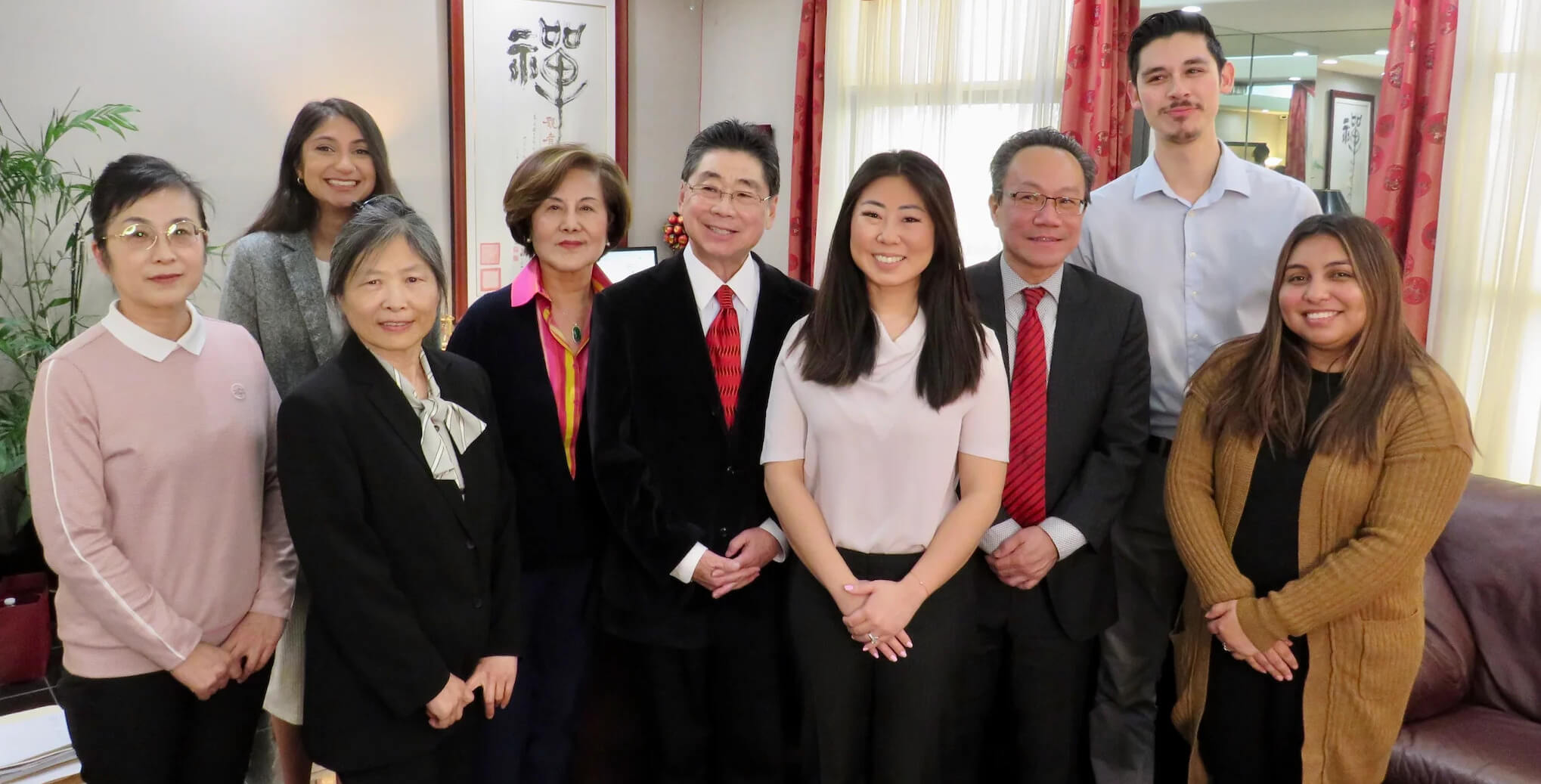
Why Choose Us?
-

Unmatched Expertise
Trust in Peter Chu's 75+ years of collective experience to guide you through complex immigration matters.
-

Tailored Solutions
Our personalized strategies adapt to your unique circumstances, ensuring we meet your specific immigration needs.
-

Proven Success
Benefit from our solid track record in achieving favorable outcomes in various immigration cases across San Diego.
-

Dedicated Service
Experience our client-first approach that ensures constant support and guidance throughout your immigration journey.


Get clear, expert legal guidance tailored to your visa, green card, or citizenship needs.

Inquire now to check if you qualify
Comparing Your EB-1A Petition Options in Livermore
Livermore professionals pursuing permanent residency typically consider three pathways: EB-1A (extraordinary ability, self-petition), EB-1B (outstanding professor/researcher, employer-sponsored), and EB-2 NIW (national interest waiver, self-petition). Each has distinct eligibility standards and strategic trade-offs.
Here's the honest answer: EB-1A has the highest evidentiary bar — you must demonstrate sustained national or international acclaim and rank among the small percentage at the top of your field — but it offers the fastest pathway to a green card with no labor certification, no employer sponsorship requirement, and no job offer needed. EB-1B requires a permanent research position offer and is limited to academic or research roles, making it unavailable to entrepreneurs or private-sector scientists. EB-2 NIW has a lower standard than EB-1A (you need only show your work is in the national interest and you are well-positioned to advance it), but priority date backlogs for EB-2 can add years to the process depending on your country of birth. For Livermore applicants with strong publication records, patents, or evidence of high impact, EB-1A is often the optimal route despite its difficulty.
| Pathway | Sponsorship Required | Labor Certification | Evidentiary Standard | Professional Assessment |
|---|---|---|---|---|
| EB-1A (Extraordinary Ability) | No (self-petition) | No | Highest — top of field nationally/internationally | Best for established professionals with strong independent records |
| EB-1B (Outstanding Researcher) | Yes (employer sponsors) | No | High — outstanding achievement in research | Limited to academic/research roles; requires permanent offer |
| EB-2 NIW (National Interest Waiver) | No (self-petition) | No | Moderate — work benefits U.S. national interest | Slower due to priority date backlogs; lower bar than EB-1A |
| EB-2 or EB-3 (Standard PERM) | Yes (employer sponsors) | Yes | Lowest — qualified for the job | Longest process; employer-dependent; requires prevailing wage |
Frequently Asked Questions
Find answers to common questions about our services
-
USCIS processing times for EB-1A I-140 petitions currently average 4–6 months at the California Service Center, though premium processing (15-day guaranteed review) is available for an additional fee. Once the I-140 is approved, adjustment of status timel
-
Legal fees for EB-1A representation typically range from $8,000 to $15,000 depending on case complexity, number of criteria addressed, and whether an RFE response is required. Government filing fees add $700 (I-140 petition) plus $1,225–$1,440 (adjustment
-
Yes — EB-1A petitions can be filed while you are in F-1 student status, though you must meet the extraordinary ability standard regardless of your current visa category. The challenge for recent graduates is demonstrating sustained acclaim and a track rec
-
No — EB-1A is a self-petition category that does not require a job offer or employer sponsorship. You must, however, demonstrate that you intend to continue working in your field of extraordinary ability once you receive permanent residency. USCIS evaluat
-
The strongest EB-1A petitions combine multiple evidence types: high citation counts (demonstrating influence), patents or commercialized technologies (demonstrating original contributions), invitations to serve as peer reviewer or journal editor (demonstr
-
If USCIS denies your I-140 petition, you can file a motion to reopen, a motion to reconsider, or appeal to the Administrative Appeals Office within 30 days of the decision. Alternatively, you can refile a new petition with strengthened evidence, particula
-
Yes — your spouse and unmarried children under 21 are eligible for derivative EB-1 status as your dependents. They receive the same priority date and can adjust status concurrently with you or follow to join after your green card is approved. Derivative b
-
EB-1A is unique because it requires no labor certification, no employer sponsorship, and no prevailing wage determination — making it the most autonomous pathway to permanent residency for qualified professionals. Unlike H-1B or L-1 visas, which tie you t
Need Personalized Immigration Guidance?

