
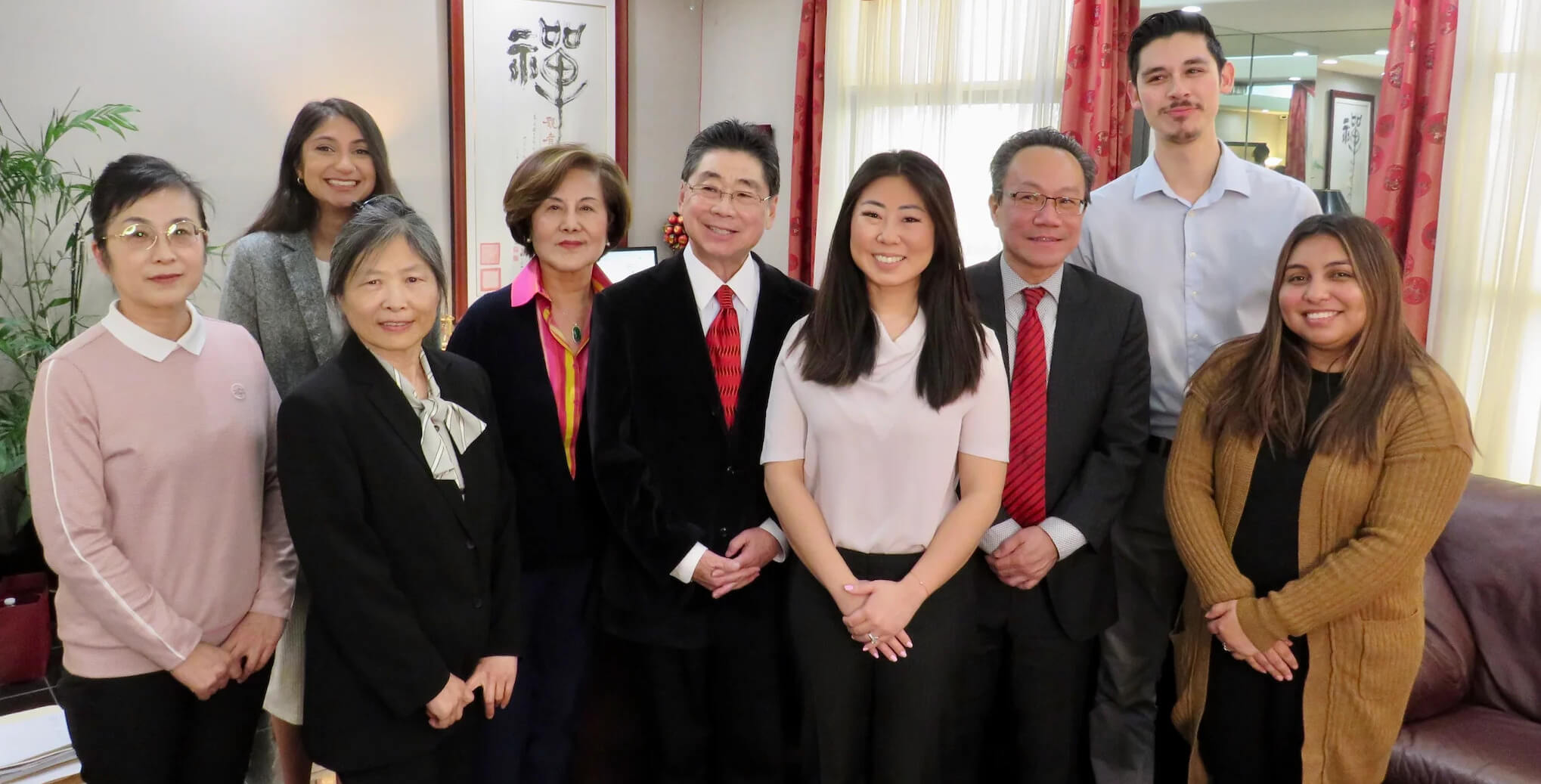
Why Choose Us?
-

Unmatched Expertise
Trust in Peter Chu's 75+ years of collective experience to guide you through complex immigration matters.
-

Tailored Solutions
Our personalized strategies adapt to your unique circumstances, ensuring we meet your specific immigration needs.
-

Proven Success
Benefit from our solid track record in achieving favorable outcomes in various immigration cases across San Diego.
-

Dedicated Service
Experience our client-first approach that ensures constant support and guidance throughout your immigration journey.


Get clear, expert legal guidance tailored to your visa, green card, or citizenship needs.

Inquire now to check if you qualify
How Moreno Valley EB-1A Representation Compares to Other Immigration Pathways
Here's the honest answer: most professionals pursue employer-sponsored EB-2 or EB-3 classification because they assume EB-1A standards are unattainable — not because they lack qualifying credentials. The reality is that EB-1A's 'extraordinary ability' threshold is objective and evidence-based: if you meet three of ten regulatory criteria with strong documentation, you qualify regardless of how modest you feel about your accomplishments. The cost difference is marginal — EB-1A petitions typically cost $8,000–$15,000 in legal fees compared to $10,000–$18,000 for employer-sponsored PERM + I-140 processes — but the timeline advantage is substantial. PERM labor certification alone adds 12–18 months before you can even file the immigrant petition, and you remain dependent on that employer throughout the process.
| Factor | EB-1A Self-Petition | Employer-Sponsored EB-2/EB-3 | O-1 Nonimmigrant Visa | DIY Filing |
|---|---|---|---|---|
| Requires Job Offer | No — self-petition | Yes — employer files | Yes — employer files | N/A |
| Labor Certification | Not required | Required (12–18 months) | Not required | N/A |
| Timeline to File I-140 | Immediate when ready | After PERM approval | N/A (nonimmigrant) | Immediate |
| Employer Dependence | None — petition survives job changes | High — new employer requires new PERM | Total — visa tied to employer | None |
| Professional Assessment | Best for professionals with documented acclaim who want employer independence and fastest green card path | Required if you don't meet EB-1A criteria; adds time and employer lock-in | Temporary work status only; does not lead to green card directly | High RFE and denial risk; evidence presentation errors common |
Frequently Asked Questions
Find answers to common questions about our services
-
EB-1A legal representation in Moreno Valley typically costs $8,000–$15,000 in attorney fees depending on case complexity, the number of criteria you're documenting, and whether USCIS issues a Request for Evidence requiring additional response work. This f
-
With premium processing, USCIS adjudicates I-140 petitions within 15 calendar days of receipt — though this expedited timeline applies only to the petition decision, not the overall green card process. If you're outside the U.S., consular processing adds
-
Yes, EB-1A petitions are dual-intent, meaning you can file for permanent residence while maintaining nonimmigrant status such as H-1B, L-1, O-1, or F-1 OPT. Filing I-140 does not violate the terms of these visas or create presumption of immigrant intent t
-
You must provide evidence satisfying at least three of ten regulatory criteria: (1) major awards or prizes, (2) membership in associations requiring outstanding achievement, (3) published material about your work, (4) evidence of judging others' work, (5)
-
A Request for Evidence means USCIS needs additional documentation or clarification before approving your petition — it is not a denial, though it signals the initial package did not fully establish your case. RFE response deadlines are typically 87 days f
-
No, EB-1A is a self-petition classification — you do not need a U.S. job offer, labor certification, or employer sponsorship. You must intend to continue working in your area of extraordinary ability once in the United States, but this can be as an employ
-
Yes, your spouse and unmarried children under 21 qualify as derivative beneficiaries under your approved EB-1A petition and can apply for green cards simultaneously through Form I-485 (if in the U.S.) or consular processing (if abroad). They receive the s
-
USCIS does not publish approval rates by service center or geographic location, but overall EB-1A approval rates have historically ranged from 40% to 55% depending on the year and petitioner field. These rates reflect the high evidentiary standard — extra
Need Personalized Immigration Guidance?

