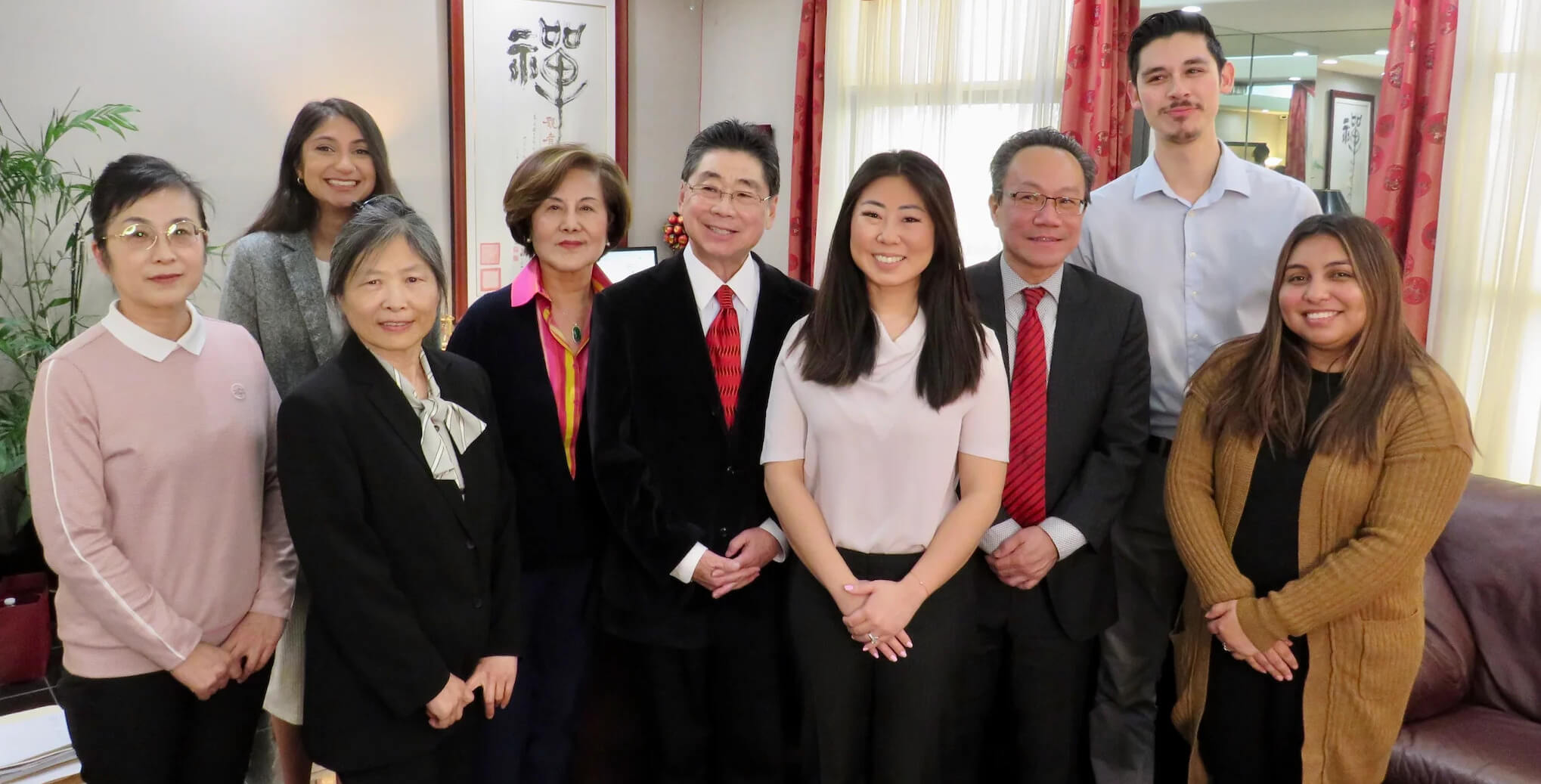

Why Choose Us?

  • Unmatched Expertise

    Trust in Peter Chu's 75+ years of collective experience to guide you through complex immigration matters.

  • Tailored Solutions

    Our personalized strategies adapt to your unique circumstances, ensuring we meet your specific immigration needs.

  • Proven Success

    Benefit from our solid track record in achieving favorable outcomes in various immigration cases across San Diego.

  • Dedicated Service

    Experience our client-first approach that ensures constant support and guidance throughout your immigration journey.

Orange, California is home to over 140,000 residents and hosts Chapman University, one of the state's leading research institutions — creating a concentration of researchers, scientists, and professionals who may qualify for EB-1A extraordinary ability classification. For Orange residents pursuing self-petitioned employment-based immigration, the difference between a denied I-140 petition and an approved extraordinary ability case often comes down to whether the petition was prepared by an attorney who understands USCIS's 2010 Kazarian two-prong framework and how to document sustained national or international acclaim. Law office of Peter Darwin Chu has guided EB-1A petitioners through Orange, CA and throughout Southern California with evidence-based petition strategies designed for this demanding visa category.

Book a Consultation

Law office of Peter Darwin Chu is a California-licensed immigration law firm serving Orange residents with EB-1A extraordinary ability visa representation — including initial case assessment, evidentiary documentation review, and I-140 petition preparation for individuals with sustained national or international recognition in sciences, arts, education, business, or athletics. Consultations are substantive case evaluations focused on whether your achievements meet at least three of the ten regulatory criteria under 8 CFR 203.5 and whether the totality of evidence demonstrates the sustained acclaim USCIS requires.

EB-1A Attorney Orange Available Across Orange and Surrounding Areas

Law office of Peter Darwin Chu represents EB-1A petitioners throughout Orange, CA and surrounding Orange County communities — including the Old Towne Historic District, Villa Park, and East Orange neighborhoods (zip codes 92613, 92664, 92665, 92666, 92667). All California residents with qualifying extraordinary ability achievements are eligible for representation regardless of county, and we handle cases for petitioners nationwide who require California bar counsel for their I-140 filings.

What Orange Residents Can Access

EB-1A Case Assessment and Criteria Analysis

Before filing an I-140 petition, we conduct a detailed assessment of your achievements against the ten regulatory criteria: awards, membership in associations requiring outstanding achievement, published material about you, judging the work of others, original contributions of major significance, scholarly articles, exhibitions or showcases, leading or critical role for distinguished organizations, high salary, and commercial success in the performing arts. In Orange, where Chapman University faculty, medical researchers, and tech entrepreneurs frequently pursue EB-1A classification, we evaluate which three criteria your evidence satisfies and whether the totality demonstrates the sustained national or international acclaim USCIS requires under the second prong of the Kazarian standard.

Evidence Compilation and Expert Opinion Letters

EB-1A petitions succeed or fail based on the quality and quantity of documentary evidence. We guide Orange petitioners through gathering citation records, media coverage, recommendation letters from independent experts, and objective evidence of impact in your field. When your case requires expert opinion letters to establish the significance of your contributions, we work with recognized authorities who can articulate why your work constitutes a major contribution under 8 CFR 203.5 — not generic praise, but field-specific analysis that USCIS adjudicators find persuasive.

I-140 Petition Preparation and RFE Response

The I-140 petition brief is where legal analysis meets evidentiary persuasion. We prepare petitions that address both prongs of the Kazarian framework: demonstrating you meet at least three criteria, then showing the totality of evidence proves sustained acclaim. When USCIS issues a Request for Evidence challenging your classification, we respond with targeted legal arguments and supplemental documentation. Orange petitioners benefit from representation that understands how USCIS Administrative Appeals Office decisions have shaped EB-1A adjudication standards since 2010.

Get in touch

Get clear, expert legal guidance tailored to your visa, green card, or citizenship needs.

Licensed California Immigration Counsel

Law office of Peter Darwin Chu maintains active membership with the California State Bar and operates under all required professional liability coverage and client trust account regulations mandated by California Rules of Professional Conduct Rule 1.15. EB-1A representation is governed by federal immigration law under the Immigration and Nationality Act Section 203(b)(1)(A), and all petitions are filed with U.S. Citizenship and Immigration Services in accordance with 8 CFR Part 204. We maintain compliance with American Immigration Lawyers Association ethical guidelines and provide all clients with written fee agreements detailing scope of representation, cost structure, and attorney responsibilities before representation begins.

Inquire now to check if you qualify

What If I Don't Have Awards — Can I Still Qualify for EB-1A in Orange?

Yes — awards are only one of ten possible criteria, and you need to satisfy just three. Orange residents in scientific research, technology development, or academic fields frequently qualify through evidence of original contributions of major significance, authorship of scholarly articles, and participation as a judge of others' work. A researcher at Chapman University, for example, might demonstrate extraordinary ability through highly cited publications, peer review service for major journals, and letters from independent experts explaining the field impact of their discoveries — without ever receiving a named award. The key is whether the totality of your evidence demonstrates sustained national or international acclaim, which is evaluated under the second prong of USCIS's Kazarian framework.

What If My Citations Are Strong but My H-Index Is Moderate — Will USCIS Approve My EB-1A Petition in Orange?

USCIS evaluates the totality of evidence, not isolated metrics. While citation counts and h-index are relevant for demonstrating the impact of scholarly articles, they are only part of the authorship criterion analysis. Orange petitioners with moderate h-index values have been approved when their evidence shows other indicia of extraordinary ability: membership in selective professional associations, evidence that their work has been implemented or adopted by others in the field, critical or leading roles in distinguished organizations, or published material in major media about their contributions. The petition brief must explain why your specific citation profile demonstrates major significance in your field, often supported by expert opinion letters that contextualize your metrics within your discipline's norms.

What If I'm Self-Employed — Can I Still File an EB-1A Petition in Orange Without a U.S. Employer?

Yes — EB-1A is a self-petition category that does not require a U.S. employer or labor certification. Orange entrepreneurs, independent consultants, artists, and researchers file EB-1A petitions based on their extraordinary ability achievements alone. You must demonstrate that you will continue working in your area of extraordinary ability in the United States, typically shown through evidence of ongoing projects, contracts, business formation documents, or letters of intent from U.S. clients or collaborators. Self-employed petitioners often satisfy the high salary criterion through tax returns showing income substantially above the norm for their field, and the leading or critical role criterion through evidence that they direct significant projects or organizations.

What If USCIS Issues an RFE Challenging My Original Contributions — How Do We Respond from Orange?

Requests for Evidence challenging the original contributions criterion are common and addressable. USCIS often questions whether the significance of your contributions rises to the 'major' level required by regulation. We respond with supplemental expert opinion letters from independent authorities who can articulate the specific impact your work has had on the field — citations by other researchers, adoption of your methods or technologies, influence on policy or practice, or recognition in peer-reviewed publications. For Orange petitioners, we also submit objective evidence of implementation: patents citing your work, products incorporating your innovations, or data showing the reach of your contributions. The RFE response reframes the initial evidence within the legal standard USCIS must apply under 8 CFR 203.5 and recent Administrative Appeals Office precedent decisions.

Choosing an EB-1A Immigration Attorney in Orange vs. Other Options

Orange residents pursuing EB-1A classification face three main options: hiring a general immigration attorney, using a high-volume petition mill, or working with specialized employment-based counsel. General immigration attorneys handle family-based petitions, naturalization, and removal defense — but many lack experience with the evidentiary rigor and Kazarian framework analysis EB-1A cases demand. Petition mills produce template briefs that rarely address the specific achievements and field context USCIS adjudicators need to find extraordinary ability. Here's the honest answer: EB-1A petitions have a significantly lower approval rate than other employment-based categories precisely because they require both legal expertise in administrative adjudication standards and substantive understanding of how to document impact in your specific field. An attorney who has never responded to an RFE challenging original contributions or membership criteria is learning on your case — at your expense and risk.

OptionEvidentiary StrategyKazarian AnalysisField-Specific ExpertiseBottom Line
General Immigration AttorneyBasic documentation listOften superficialMinimalMay miss criteria you qualify for
High-Volume Petition MillTemplate brief reused across casesGeneric boilerplateNone — one-size-fits-allHigh RFE rate, weak RFE responses
Specialized EB-1A CounselTailored to your achievementsDetailed two-prong framework applicationWorks with field expertsMaximizes approval probability

Speak With Us Today

Frequently Asked Questions

Find answers to common questions about our services

  • Standard I-140 processing at USCIS currently averages 4–6 months, though timelines vary by service center. Orange petitioners can request Premium Processing for an additional $2,805 fee, which guarantees a 45-day adjudication decision — either approval, d

  • USCIS publishes quarterly approval rates; recent data shows EB-1A petitions approved at approximately 50–60% overall, significantly lower than EB-2 or EB-3 categories. However, approval rates vary dramatically based on petition quality and field of endeav

  • Yes — EB-1A petitions can be filed while maintaining H-1B, L-1, O-1, or any other nonimmigrant status. Filing the I-140 does not affect your current visa, and approval does not require you to leave your H-1B employer. Many Orange professionals use EB-1A a

  • The original contributions criterion requires evidence that your work constitutes a major significance to your field. Orange petitioners typically satisfy this through: citations of your publications by other researchers, patents citing or implementing yo

  • No — EB-1A is a self-petition that requires no U.S. employer sponsorship or job offer. You file the I-140 petition yourself based solely on your extraordinary ability achievements. You must demonstrate that you intend to continue working in your area of e

  • USCIS adjudicators are not experts in your field, which is why expert opinion letters are critical in EB-1A petitions. Orange petitioners in niche scientific disciplines, emerging technologies, or specialized arts must explain the significance of their wo

  • Yes — approved EB-1A principal petitioners can include their spouse and unmarried children under 21 as derivative beneficiaries. Derivative family members receive the same priority date and can file I-485 adjustment of status concurrently with the princip

  • EB-1A legal fees vary based on case complexity but typically range from $8,000 to $15,000 for full representation including case assessment, evidence review, petition preparation, and one RFE response if issued. Government filing fees are separate: $700 I

Need Personalized Immigration Guidance?

Law office of Peter Darwin Chu provides EB-1A extraordinary ability visa representation for Orange, CA residents through substantive case assessment, evidence-based I-140 petition preparation, and RFE response strategies grounded in USCIS Kazarian framework adjudication standards.

Orange residents exploring employment-based immigration options may also benefit from reviewing our guidance on EB-2 Visa for advanced degree professionals, EB-3 Visa for skilled workers, and O-1 Visa for nonimmigrant extraordinary ability classification. If you are considering family-based pathways alongside employment options, our Citizenship resources and National City Citizenship Attorney page provide naturalization guidance for green card holders. For those already holding nonimmigrant status, our J-1 Visa Attorney and Citizenship Attorney In San Marcos Ca pages offer context on visa categories and pathways to permanent residence. Contact our Orange EB-1A practice to schedule a case evaluation.

Book a Consultation