
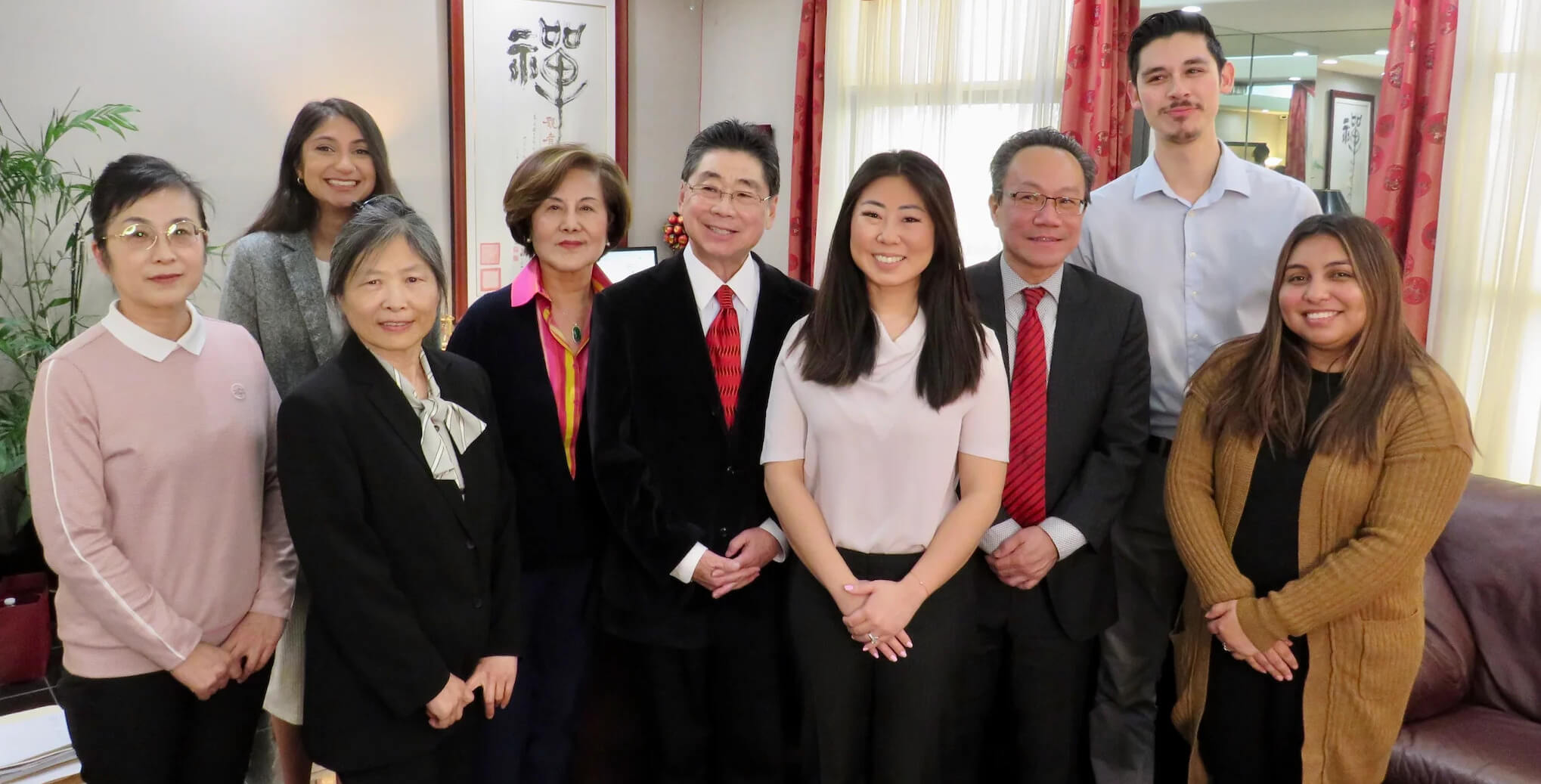
Why Choose Us?
-

Unmatched Expertise
Trust in Peter Chu's 75+ years of collective experience to guide you through complex immigration matters.
-

Tailored Solutions
Our personalized strategies adapt to your unique circumstances, ensuring we meet your specific immigration needs.
-

Proven Success
Benefit from our solid track record in achieving favorable outcomes in various immigration cases across San Diego.
-

Dedicated Service
Experience our client-first approach that ensures constant support and guidance throughout your immigration journey.


Get clear, expert legal guidance tailored to your visa, green card, or citizenship needs.

Inquire now to check if you qualify
Choosing an EB-1A Attorney Pittsburgh vs. General Immigration Practitioners
Not every immigration attorney handles EB-1A petitions with the depth required for approval. General practitioners who primarily process family-based green cards or H-1B extensions often lack familiarity with the evidentiary standards for extraordinary ability classification — particularly the two-prong Kazarian test and Policy Manual Volume 6 guidance on 'original contributions of major significance.' Here's the honest answer: EB-1A is the most documentation-intensive employment-based category, requiring legal briefs that interpret peer-reviewed publications, citation metrics, and expert letters under federal adjudication standards that change annually. Firms that do not regularly file EB-1A cases will miss critical evidence categories — resulting in RFEs or denials that a specialized attorney would have prevented.
| Approach | Case Volume | Evidence Strategy | RFE Rate | Bottom Line |
|---|---|---|---|---|
| EB-1A Specialist | 20–40 EB-1A petitions annually | Structured under 10 CFR criteria, expert letters, citation analysis | 15–25% | Knows USCIS standards, anticipates weaknesses, prepares comprehensive initial evidence |
| General Immigration Attorney | 2–5 EB-1A cases annually | Template I-140 forms, minimal legal brief | 50–65% | May miss critical criteria or submit insufficient evidence, triggering RFE |
| DIY EB-1A Filing | Self-prepared | No legal brief, unstructured exhibits | 70%+ | High denial rate — USCIS expects legal arguments interpreting evidence under precedent |
| Large Immigration Mill | High volume, multiple categories | Standard templates, junior associate drafting | 40–55% | Efficient filing, less individualized strategy or evidence development |
Frequently Asked Questions
Find answers to common questions about our services
-
Standard I-140 processing at USCIS Nebraska or Texas Service Center averages 10–16 months as of February 2026. Premium processing (Form I-907, $2,805) guarantees a 15-business-day adjudication, though it does not guarantee approval — only a decision or RF
-
Attorney fees for EB-1A petition preparation typically range from $8,000 to $15,000 depending on case complexity, evidence volume, and whether expert letters or citation analysis are required. Government filing fees are $700 (I-140) plus $2,805 (premium p
-
Yes — EB-1A does not require current employment or a U.S. job offer. The petition is based on your past achievements and intent to continue work in your field of extraordinary ability. You must demonstrate that your expertise will benefit the United State
-
The strongest EB-1A petitions include original contributions evidenced by high citation counts (Google Scholar h-index above field median), published articles in peer-reviewed journals, patents with commercial applications, major industry awards, and expe
-
You have three options after denial: (1) file a Motion to Reopen or Motion to Reconsider within 30 days with new evidence or legal arguments, (2) appeal to the USCIS Administrative Appeals Office (AAO) within 33 days, or (3) file a new I-140 petition with
-
No — EB-1A petitions are federal immigration matters adjudicated by USCIS, not state courts, so geographic proximity is not required. We represent clients nationwide and internationally. Most consultations, document reviews, and case strategy sessions are
-
Yes — your spouse and unmarried children under 21 are eligible for derivative E-14 and E-15 immigration status. They file I-485 adjustment of status applications concurrently with yours (if in the U.S.) or apply for immigrant visas at a consulate abroad.
-
EB-1A requires extraordinary ability and sustained national or international acclaim — a higher standard than EB-2 National Interest Waiver (NIW), which requires advanced degree or exceptional ability and work that benefits U.S. national interest. EB-1A d
Need Personalized Immigration Guidance?

