
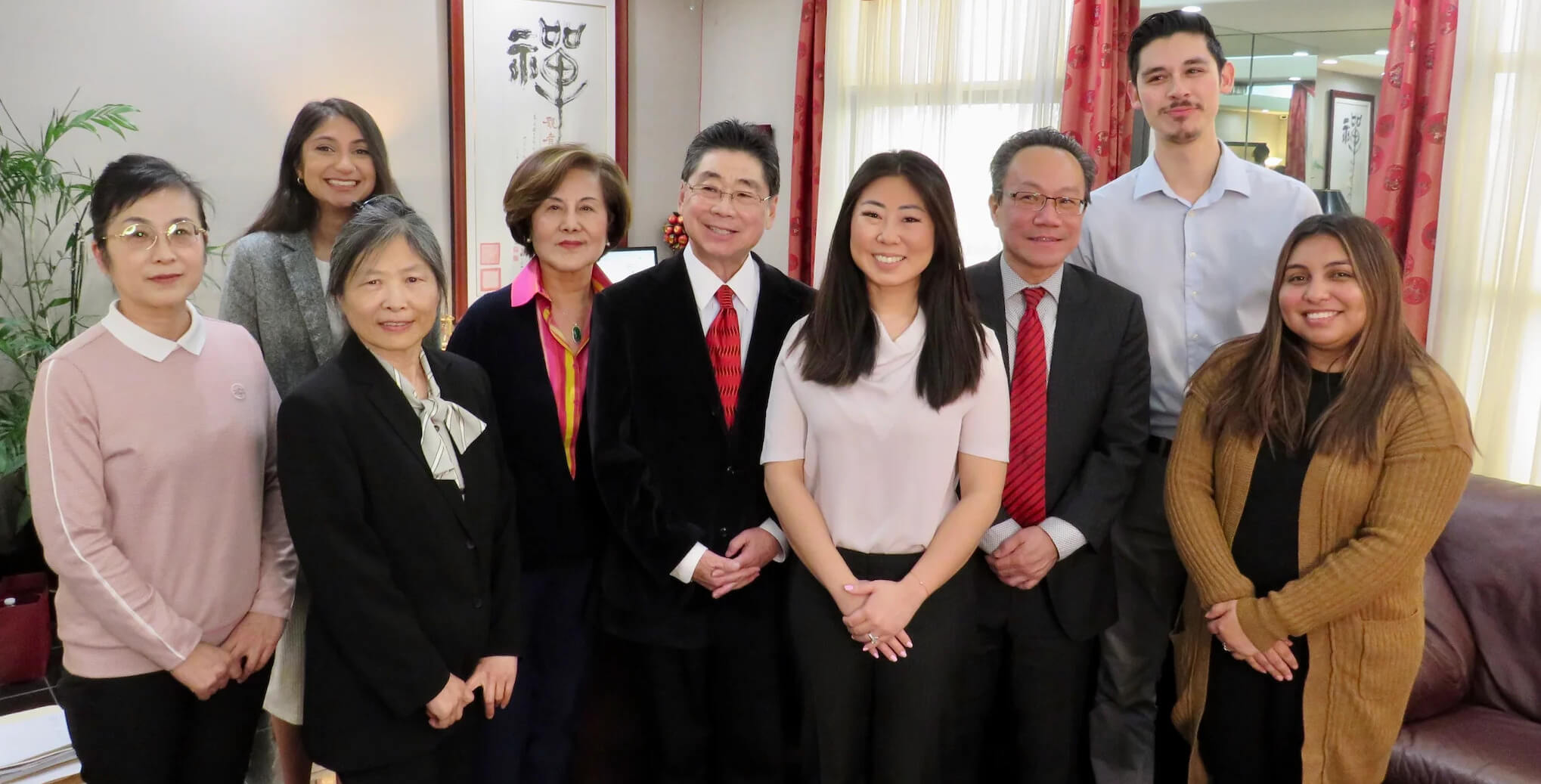
Why Choose Us?
-

Unmatched Expertise
Trust in Peter Chu's 75+ years of collective experience to guide you through complex immigration matters.
-

Tailored Solutions
Our personalized strategies adapt to your unique circumstances, ensuring we meet your specific immigration needs.
-

Proven Success
Benefit from our solid track record in achieving favorable outcomes in various immigration cases across San Diego.
-

Dedicated Service
Experience our client-first approach that ensures constant support and guidance throughout your immigration journey.


Get clear, expert legal guidance tailored to your visa, green card, or citizenship needs.

Inquire now to check if you qualify
EB-1A Attorney Stanton vs. Other Immigration Representation Options
Stanton-area foreign nationals seeking permanent residency have several immigration pathways to consider — each with distinct eligibility requirements, timelines, and costs. Understanding these differences helps you choose the most efficient route to a green card. Some pursue employer-sponsored EB-2 or EB-3 visas, which require PERM labor certification and job offer letters. Others attempt DIY EB-1A filings without legal representation. Still others work with general practice attorneys who handle immigration matters as a secondary practice area. Here's the honest answer: EB-1A petitions have approval rates that vary dramatically based on petition quality — well-prepared cases with comprehensive legal briefs and criterion-by-criterion evidence achieve approval rates above 70%, while self-filed or poorly documented cases face denial rates exceeding 60%, according to USCIS administrative data. The cost of a denied petition is not just the filing fee — it's the 18–24 months of processing time lost and the evidentiary record that USCIS will scrutinize in any subsequent filing.
| Immigration Pathway | Employer Sponsorship Required | PERM Labor Certification | Average Timeline (Texas) | Professional Assessment |
|---|---|---|---|---|
| EB-1A (Law office of Peter Darwin Chu) | No — self-petitioned | No | 10–20 months | Fastest employment-based pathway for qualifying individuals; no employer dependence; requires strong evidentiary record |
| EB-2 NIW | No — self-petitioned | No (national interest waiver) | 18–30 months | Alternative for those who don't meet EB-1A criteria but can demonstrate national interest; lower standard of acclaim |
| EB-2/EB-3 (employer-sponsored) | Yes | Yes | 24–48 months (with PERM) | Requires employer commitment; vulnerable to job loss; PERM process adds 12+ months before I-140 filing |
| DIY EB-1A Filing | No | No | 15–25 months (often denied) | High denial rate due to insufficient legal framing; RFEs common; difficult to self-assess criterion compliance |
Frequently Asked Questions
Find answers to common questions about our services
-
Processing timelines for EB-1A petitions filed through USCIS Texas Service Center — which handles cases originating from Stanton, TX — currently average 10–14 months with premium processing ($2,805 fee for 45-day adjudication) and 15–20 months under stand
-
Legal fees for EB-1A petition preparation in Stanton typically range from $8,000 to $18,000 depending on case complexity, the number of regulatory criteria being claimed, and whether expert opinion letters or supplementary evidence development are require
-
Yes — the EB-1A extraordinary ability visa is self-petitioned and does not require a specific job offer or employer sponsorship, so your current employment location or remote work arrangement does not affect eligibility. What matters is whether your profe
-
For a substantive EB-1A case assessment, bring documentation related to any of the ten regulatory criteria you believe you meet: awards or prizes for excellence, membership in associations requiring outstanding achievement, published material about your w
-
Yes — a denied EB-1A petition does not permanently bar you from refiling, but the denial decision and the evidentiary record from the first petition will be part of USCIS's review in any subsequent filing. If USCIS denied the petition because you failed t
-
Yes — your spouse and unmarried children under age 21 are eligible for derivative green cards as EB-1A dependents. They file Form I-485 Adjustment of Status concurrently with your application (if you are already in the United States) or apply for immigran
-
The EB-1A is an immigrant visa (green card pathway) that leads to permanent residency and does not require employer sponsorship. The O-1 is a nonimmigrant temporary work visa that requires employer sponsorship and is valid for up to three years with unlim
-
Your ability to work while the EB-1A petition is pending depends on your current immigration status. If you are on an H-1B, L-1, O-1, or another work-authorized visa, you can continue working under that status while the EB-1A is adjudicated — the two do n
Need Personalized Immigration Guidance?

