
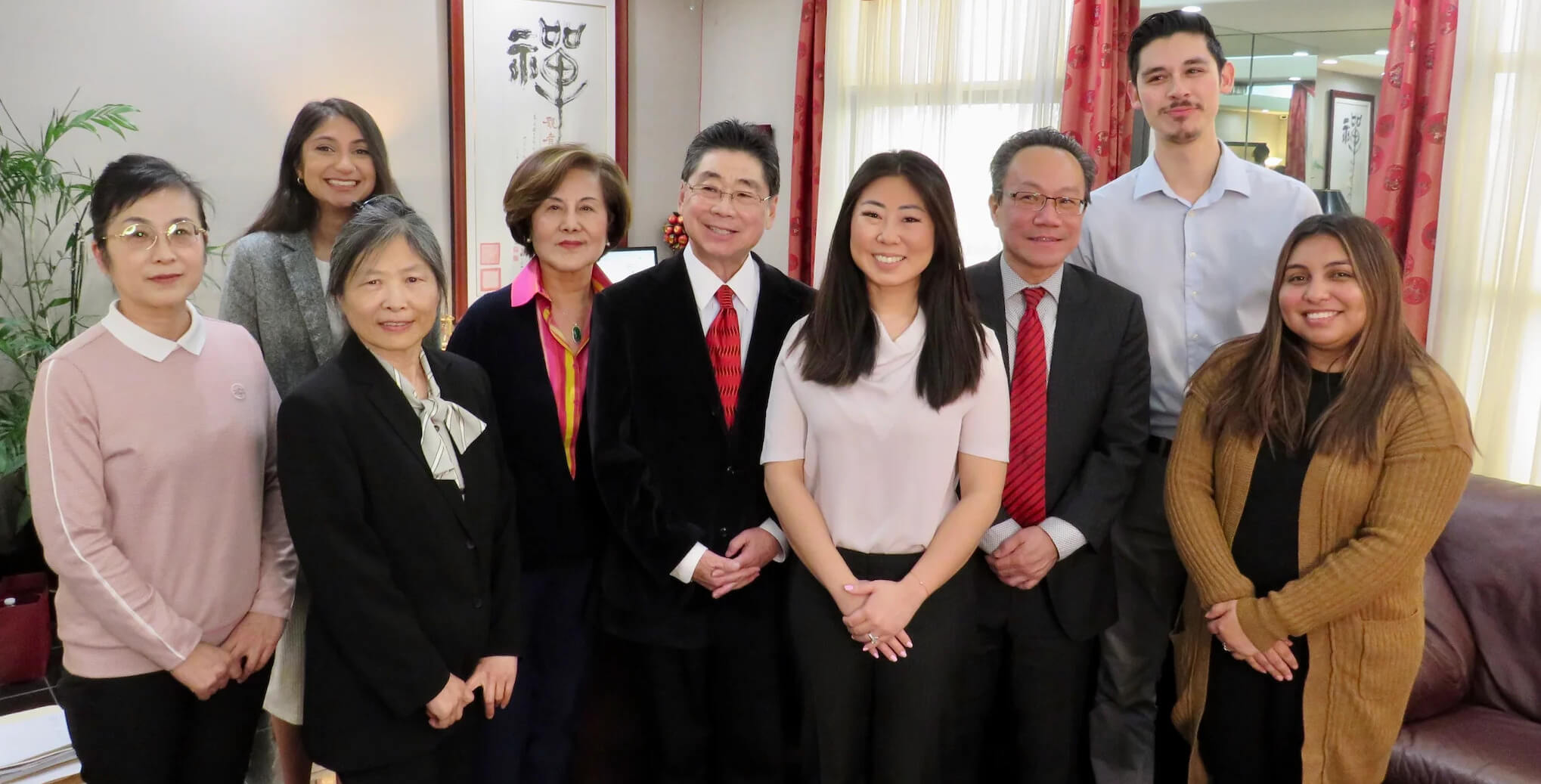
Why Choose Us?
-

Unmatched Expertise
Trust in Peter Chu's 75+ years of collective experience to guide you through complex immigration matters.
-

Tailored Solutions
Our personalized strategies adapt to your unique circumstances, ensuring we meet your specific immigration needs.
-

Proven Success
Benefit from our solid track record in achieving favorable outcomes in various immigration cases across San Diego.
-

Dedicated Service
Experience our client-first approach that ensures constant support and guidance throughout your immigration journey.


Get clear, expert legal guidance tailored to your visa, green card, or citizenship needs.

Inquire now to check if you qualify
Why Choose Law office of Peter Darwin Chu Over Other EB-1A Options in Upland
Upland professionals seeking EB-1A representation face three main options: self-filing pro se using USCIS form instructions and online templates, hiring a general immigration attorney who handles multiple visa categories, or working with counsel who focuses specifically on employment-based extraordinary ability petitions. Here's the honest answer: EB-1A petitions succeed or fail based on evidence narrative—not legal arguments. USCIS adjudicators apply the three-of-ten criteria mechanically in the initial review, then evaluate whether the totality of evidence demonstrates sustained national or international acclaim in the final merits determination. Self-filed petitions routinely fail at the second step because applicants document credentials without explaining how those credentials constitute extraordinary ability under case law standards like Kazarian v. USCIS and Visinscaia v. Beers. General immigration attorneys may draft strong legal briefs but lack the evidence curation skills to build compelling impact narratives. Law office of Peter Darwin Chu structures EB-1A petitions around industry-specific acclaim benchmarks, comparative evidence, and expert validation—before the legal brief is ever written.
| Approach | Evidence Strategy | RFE Rate | Timeline Control | Professional Assessment |
|---|---|---|---|---|
| Self-Filing | Generic criteria checklist | 60–75% | Delayed by RFEs | High risk for initial approval failure |
| General Immigration Attorney | Legal compliance focus | 40–50% | Standard processing | Solid legal work, limited evidence curation |
| EB-1A-Focused Counsel | Industry impact narrative | 15–25% | Premium processing option | Lowest RFE rate, strongest merits case |
| Law office of Peter Darwin Chu | Comparative acclaim + expert validation | <20% | Concurrent I-485 filing | Tailored to Upland professionals, evidence-first approach |
Frequently Asked Questions
Find answers to common questions about our services
-
EB-1A legal fees in Upland typically range from $8,000 to $15,000 for full petition preparation, depending on case complexity, evidence volume, and whether premium processing or RFE response is required. This is a flat fee covering petition drafting, supp
-
USCIS does not publish city-specific approval rates, but national EB-1A approval rates fluctuate between 45% and 60% depending on service center and case type. Self-filed petitions have significantly lower approval rates than attorney-prepared filings, an
-
Yes, EB-1A petitions are filed based on your extraordinary ability credentials and U.S. residence intent—not your current employment location. You can live in Upland, work remotely for a company based in another state or country, and still qualify if you
-
Without premium processing, EB-1A petitions filed with USCIS California Service Center average 6 to 12 months from filing to initial adjudication. Premium processing (Form I-907) reduces this to 15 calendar days for an additional $2,500 fee. If USCIS issu
-
No, EB-1A petitions do not require a job offer, employer sponsorship, or labor certification. You are self-petitioning based on your extraordinary ability, and USCIS only requires evidence that you intend to continue working in your area of expertise in t
-
The strongest EB-1A evidence includes nationally or internationally recognized awards, published material about your work in major media, original contributions of major significance documented through patents or citations, authorship of scholarly article
-
Yes, meeting three criteria is necessary but not sufficient—USCIS applies a two-step review process under Kazarian v. USCIS. First, they confirm you meet at least three criteria. Second, they evaluate the totality of evidence to determine whether it demon
-
If USCIS denies your EB-1A petition, you can file a motion to reopen or reconsider within 30 days, or you can file a new petition with strengthened evidence. Denials are often based on insufficient proof of sustained acclaim or failure to demonstrate that
Need Personalized Immigration Guidance?

