
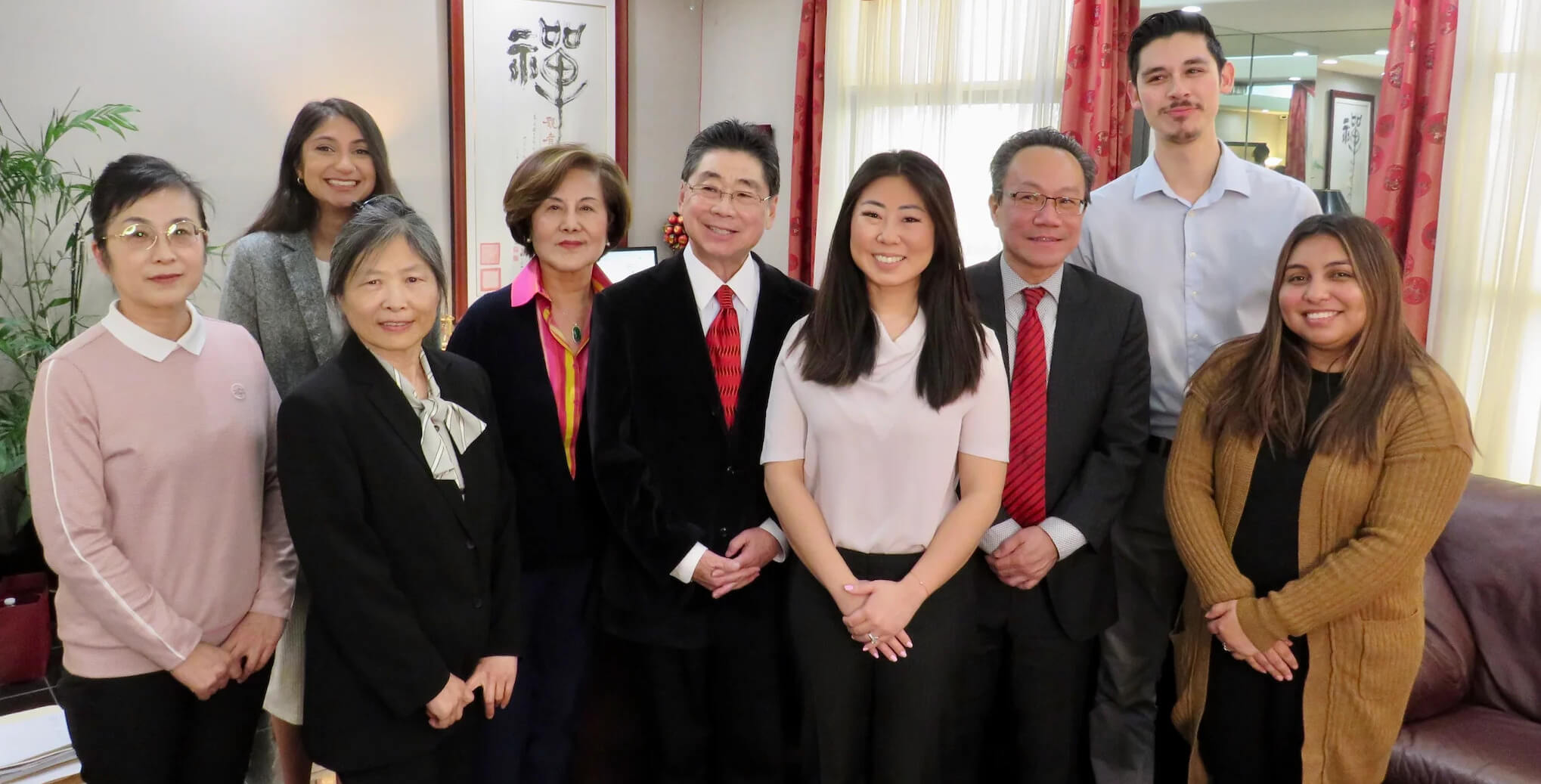
Why Choose Us?
-

Unmatched Expertise
Trust in Peter Chu's 75+ years of collective experience to guide you through complex immigration matters.
-

Tailored Solutions
Our personalized strategies adapt to your unique circumstances, ensuring we meet your specific immigration needs.
-

Proven Success
Benefit from our solid track record in achieving favorable outcomes in various immigration cases across San Diego.
-

Dedicated Service
Experience our client-first approach that ensures constant support and guidance throughout your immigration journey.


Get clear, expert legal guidance tailored to your visa, green card, or citizenship needs.

Inquire now to check if you qualify
Why Austin Applicants Choose Law office of Peter Darwin Chu Over DIY EB-1A Filings
EB-1A petitions can be filed pro se (self-prepared), but USCIS denial rates for self-filed extraordinary ability petitions are significantly higher than attorney-represented cases — primarily because applicants misidentify which evidence satisfies regulatory criteria and fail to build the required legal narrative connecting evidence to the sustained acclaim standard. Here's the honest answer: USCIS adjudicators are not experts in your field — they are immigration officers trained to evaluate whether submitted evidence satisfies specific regulatory definitions. A patent alone doesn't prove extraordinary ability unless accompanied by evidence of how that patent represents an original contribution of major significance. Expert opinion letters don't carry weight unless they come from independent authorities who can contextualize your work within the broader field. Law office of Peter Darwin Chu builds EB-1A petitions with the understanding that the burden is on the petitioner to demonstrate each element — not on USCIS to interpret ambiguous evidence favorably.
| Approach | Evidence Strategy | Legal Brief Included | RFE Risk | Professional Assessment |
|---|---|---|---|
| Pro Se (DIY) | Applicant selects own evidence without regulatory mapping | Rarely — most submit cover letter only | High — common gaps in criteria satisfaction | Savings on attorney fees offset by higher denial and RFE rates |
| Online Document Prep Services | Template-driven checklist, no field-specific customization | Generic templates, not case-specific | Moderate to high — templates don't adapt to emerging fields | Affordable but impersonal — no expert legal judgment applied |
| Law office of Peter Darwin Chu | Custom evidence portfolio mapped to 8 CFR 204.5(h)(3), expert letters, detailed legal brief | Always — 15–25 page brief standard | Lower — proactive gap analysis before filing | Higher upfront investment, significantly better approval odds and timeline predictability |
Frequently Asked Questions
Find answers to common questions about our services
-
Standard USCIS processing for EB-1A petitions filed at Texas Service Center currently averages 6–9 months from submission to decision. Premium processing is available for an additional $2,805 government fee, guaranteeing a decision within 15 calendar days
-
USCIS does not publish approval rates by service center or city, but national EB-1A approval rates have historically ranged between 40–50% for initial petitions, with significantly higher approval rates for attorney-represented cases compared to pro se fi
-
Yes. EB-1A petitions can be filed regardless of current visa status — F-1 students, J-1 researchers, and B-1/B-2 visitors are all eligible to self-petition for extraordinary ability classification. However, your current status does not change simply becau
-
No. EB-1A is a self-petition category that does not require employer sponsorship, a job offer, or labor certification. You must, however, demonstrate that you intend to continue working in your field of extraordinary ability in the United States. This is
-
Austin's technology sector professionals frequently satisfy EB-1A criteria through original contributions (patents, significant open-source projects, architectural designs adopted by major companies), published material about their work (tech media covera
-
Yes. We regularly represent applicants who filed pro se or with other counsel and received Requests for Evidence. RFE response timelines are strict — 87 days from the notice date — and require comprehensive legal and evidentiary responses addressing every
-
EB-1A is an immigrant visa (green card) petition based on extraordinary ability, while O-1 is a nonimmigrant work visa for individuals with extraordinary ability or achievement. Both require evidence of sustained acclaim, but EB-1A has a higher evidentiar
-
Attorney fees for EB-1A petition preparation typically range from $8,000 to $15,000 depending on case complexity, field-specific expert letter requirements, and whether premium processing or RFE response is anticipated. Government filing fees are separate
Need Personalized Immigration Guidance?

