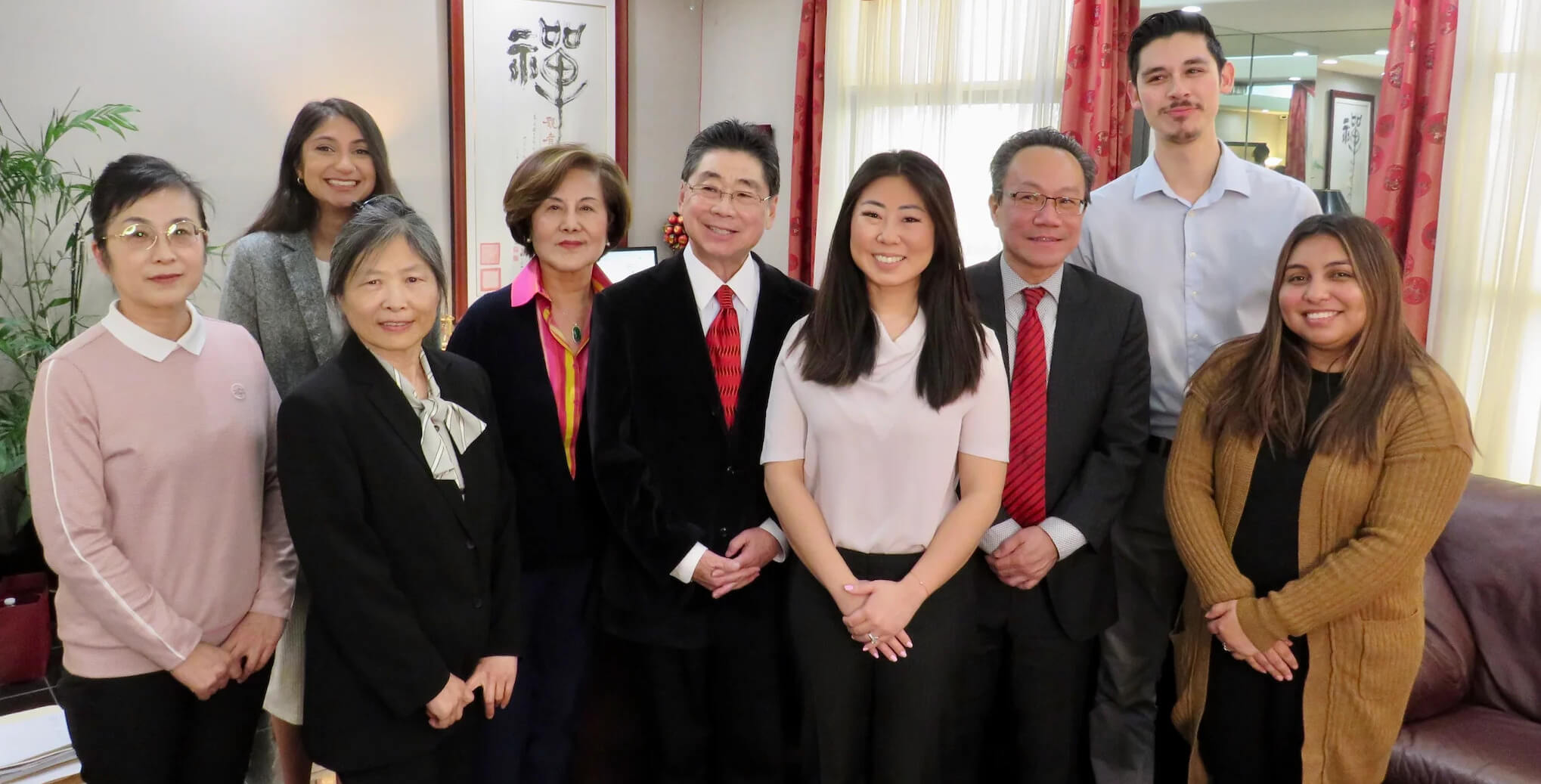

Why Choose Us?

  • Unmatched Expertise

    Trust in Peter Chu's 75+ years of collective experience to guide you through complex immigration matters.

  • Tailored Solutions

    Our personalized strategies adapt to your unique circumstances, ensuring we meet your specific immigration needs.

  • Proven Success

    Benefit from our solid track record in achieving favorable outcomes in various immigration cases across San Diego.

  • Dedicated Service

    Experience our client-first approach that ensures constant support and guidance throughout your immigration journey.

Campbell, CA, is home to over 43,000 residents and hosts a growing concentration of technology professionals and researchers — many of whom qualify for EB-1A extraordinary ability petitions but never pursue them because they misunderstand the evidentiary standard. The difference between a denied EB-1A petition and an approved one often comes down to whether the applicant had a California-licensed eb-1a lawyer campbell guiding the documentation strategy before USCIS submission. Law office of Peter Darwin Chu represents Campbell residents in EB-1A cases, structuring petitions around the three-prong test established in Kazarian v. USCIS and ensuring every piece of evidence directly addresses sustained national or international acclaim.

Book a Consultation

Law office of Peter Darwin Chu is a California-licensed immigration law firm serving Campbell residents pursuing EB-1A extraordinary ability visas — providing initial eligibility assessments, evidence portfolio construction, and USCIS petition preparation with no sponsorship requirement. EB-1A petitions allow self-sponsored applicants in science, arts, education, business, or athletics to obtain permanent residence if they demonstrate extraordinary ability through sustained acclaim. Campbell applicants can schedule consultations within the same week to evaluate whether their achievements meet the regulatory criteria under 8 CFR 203.5(h).

EB-1A Lawyer Campbell Available Across Campbell and Surrounding Areas

Law office of Peter Darwin Chu represents clients throughout Campbell, CA, and Santa Clara County — including the Pruneyard, Downtown Campbell, and San Tomas neighborhoods (zip codes 95008, 95009, 95011). All California residents with qualifying extraordinary ability claims are eligible for representation regardless of county, and consultations are available for applicants currently residing abroad who intend to establish residence in Campbell upon visa approval.

What Campbell Residents Can Access

EB-1A Eligibility Assessment and Evidence Strategy

The EB-1A extraordinary ability category requires meeting at least three of ten regulatory criteria — or presenting evidence of a one-time major internationally recognized award. Law office of Peter Darwin Chu conducts structured eligibility assessments for Campbell applicants, identifying which of the ten criteria your career history satisfies and which evidence gaps must be closed before filing. This includes analyzing publication records, citation metrics, peer review participation, original contributions of major significance, and membership in associations requiring outstanding achievement. The assessment produces a written evidence roadmap specifying which documents to obtain and how to structure the petition narrative.

EB-1A Petition Preparation and USCIS Submission

Once eligibility is confirmed, Law office of Peter Darwin Chu prepares the I-140 petition, including the detailed cover letter demonstrating how your evidence satisfies the regulatory standard and the final merits determination under Kazarian. This includes drafting expert letters, compiling citation reports, organizing media coverage, and structuring the evidence to show sustained acclaim — not just temporary achievement. Campbell applicants working in emerging fields or interdisciplinary research benefit from petition strategies that translate technical accomplishments into language USCIS adjudicators understand without diluting the evidence's significance.

Premium Processing and RFE Response

Law office of Peter Darwin Chu files EB-1A petitions with premium processing when speed is critical, guaranteeing USCIS adjudication within 15 business days. If USCIS issues a Request for Evidence challenging any criterion or the final merits determination, the firm responds with supplemental evidence and legal argument addressing every deficiency cited in the RFE. Campbell clients receive detailed explanations of what the RFE is requesting, what additional evidence is available, and the statistical likelihood of approval based on the specific objections raised.

Get clear, expert legal guidance tailored to your visa, green card, or citizenship needs.

Licensed California Immigration Counsel Serving Campbell

Law office of Peter Darwin Chu operates under California State Bar regulations governing immigration practice, maintaining compliance with all professional responsibility standards under the California Rules of Professional Conduct. The firm carries professional liability insurance as required for immigration practitioners and adheres to confidentiality and conflict-of-interest protocols mandated by California Business and Professions Code Section 6068. Campbell clients receive written fee agreements specifying the scope of representation, all costs, and the firm's obligations under American Immigration Lawyers Association (AILA) ethical standards before any work begins.

Inquire now to check if you qualify

What If I Don't Have a Nobel Prize or Oscar — Can I Still Qualify for EB-1A in Campbell?

Yes. The one-time major internationally recognized award (Nobel Prize, Olympic medal, Academy Award) is only one path to EB-1A eligibility — and the rarest. The vast majority of approved EB-1A petitions rely on meeting at least three of the ten regulatory criteria: published material about you in major media, membership in associations requiring outstanding achievement, original contributions of major significance to your field, authorship of scholarly articles, judging the work of others, high salary, or commanding a critical role in a distinguished organization. Campbell residents in technology, research, business, and the arts regularly qualify without household-name recognition by demonstrating sustained national or international acclaim through citation metrics, peer review participation, patents, or industry leadership roles.

What If My Work Is in an Emerging Field That USCIS Adjudicators May Not Understand in Campbell?

This is one of the most common challenges in EB-1A petitions for Campbell applicants working in artificial intelligence, biotechnology, quantum computing, or interdisciplinary research. The petition strategy must translate highly specialized work into evidence USCIS can evaluate without requiring the adjudicator to possess domain expertise. Law office of Peter Darwin Chu structures these petitions around expert letters from recognized authorities in your field, media coverage that explains the significance of your contributions in accessible terms, and citation analysis demonstrating that other researchers rely on your work. The goal is to show acclaim within your field while making the evidence legible to a generalist reviewer.

What If I Am Currently on an H-1B Visa — Can I File EB-1A While Working in Campbell?

Yes. EB-1A petitions are self-sponsored, meaning you file the I-140 petition in your own name without employer sponsorship. You can file EB-1A while maintaining H-1B status, and approval does not require you to leave your current employer or change jobs. However, if your employer is sponsoring a separate EB-2 or EB-3 petition, filing EB-1A simultaneously creates complexity around priority dates and which petition to pursue for adjustment of status. Law office of Peter Darwin Chu advises Campbell applicants on the strategic timing of EB-1A filing relative to employer-sponsored petitions to avoid conflicts that could delay green card processing.

What If USCIS Issues an RFE Questioning My Evidence — What Are the Approval Odds in Campbell?

Requests for Evidence are common in EB-1A cases, particularly when the initial petition relies heavily on a single criterion or when the final merits analysis does not clearly demonstrate sustained acclaim. RFEs are not denials — they are opportunities to submit supplemental evidence and clarify how the existing evidence satisfies the standard. Approval rates after RFE response vary widely depending on the specific objection: RFEs questioning whether you meet three criteria are easier to overcome than RFEs challenging the final merits determination. Law office of Peter Darwin Chu has successfully responded to RFEs for Campbell applicants by obtaining additional expert letters, compiling supplemental citation reports, and restructuring the legal argument to address USCIS's specific concerns.

Comparing Your EB-1A Options in Campbell

Campbell residents pursuing extraordinary ability visas face three primary paths: filing a pro se (self-represented) EB-1A petition, hiring a general immigration attorney, or working with an EB-1A-focused immigration counsel. Pro se filers save attorney fees but risk denial due to insufficient evidence presentation or misunderstanding the Kazarian two-step analysis. General immigration attorneys handle EB-1A as one case type among many but often lack the specialized experience required to structure petitions for applicants in niche fields. EB-1A-focused counsel, like Law office of Peter Darwin Chu, limits practice to employment-based immigrant visas and has handled the specific evidentiary challenges that arise in technology, research, and business cases.

Here's the honest answer: if your case is straightforward — you have over 5,000 citations, membership in the National Academy of Sciences, and major media coverage — you may not need specialized counsel. But if your evidence is strong yet requires translation for USCIS (emerging field, interdisciplinary work, or non-traditional acclaim measures), a petition prepared without EB-1A-specific experience has a higher RFE rate and a lower approval rate after RFE response. The cost of an attorney is often smaller than the cost of a denied petition and the 180-day wait before refiling.

ApproachEvidence StrategyUSCIS FamiliarityApproval After RFEBottom Line
Pro Se FilingGeneric template, no field-specific framingAdjudicator unfamiliar with your workLow — often missing critical evidenceRisky for complex cases
General Immigration AttorneyBasic three-criterion checklistStandard filing, minimal customizationModerate — depends on RFE specificityWorks for clear-cut cases
EB-1A-Focused CounselField-specific evidence, expert letters, citation analysisPetition anticipates common USCIS objectionsHigh — addresses deficiencies with supplemental proofBest for nuanced or emerging-field cases

Get in touch

Frequently Asked Questions

Find answers to common questions about our services

  • Standard USCIS processing for EB-1A I-140 petitions averages 6-12 months, but premium processing guarantees adjudication within 15 business days for an additional $2,500 fee. Once the I-140 is approved, Campbell applicants already in the U.S. can file for

  • The EB-1A visa is a self-sponsored employment-based immigrant visa for individuals with extraordinary ability in science, arts, education, business, or athletics. Applicants must demonstrate sustained national or international acclaim by meeting at least

  • Yes, but with significant limitations. EB-1A petitions can be filed regardless of your current visa status, and approval of the I-140 petition does not require you to maintain lawful status. However, if you are in the U.S. on a non-immigrant visa (F-1, B-

  • Attorney fees for EB-1A petitions vary based on case complexity but typically range from $8,000 to $15,000 for full representation, including evidence review, petition preparation, and RFE response if needed. Government filing fees add $700 for the I-140

  • Both EB-1A and EB-2 National Interest Waiver are self-sponsored immigrant visas, but EB-1A has a higher evidentiary standard and faster processing. EB-1A requires demonstrating extraordinary ability and sustained acclaim, while EB-2 NIW requires an advanc

  • Yes. A denied EB-1A petition does not prevent refiling, but USCIS policy requires a 180-day waiting period before submitting a new petition for the same beneficiary in the same category. Denials typically result from insufficient evidence of sustained acc

  • No. EB-1A is a self-sponsored visa category, meaning you do not need an employer sponsor, job offer, or labor certification. You file the I-140 petition in your own name and can change employers freely after approval without affecting your immigration sta

  • Yes. Your spouse and unmarried children under 21 are eligible for derivative EB-1 visas and can apply for adjustment of status simultaneously with you or follow to join after your approval. Derivative beneficiaries receive the same priority date as the pr

Need Personalized Immigration Guidance?

Law office of Peter Darwin Chu provides eb-1a lawyer campbell services to Campbell, CA, applicants, offering self-sponsored extraordinary ability visa representation with evidence assessment, I-140 preparation, and premium processing for technology professionals, researchers, and business leaders seeking permanent residence without employer sponsorship.

Related Immigration Services for Campbell Residents

Campbell applicants exploring employment-based immigration options beyond EB-1A may also qualify for EB-1B Visa (outstanding professors and researchers), EB-2 Visa (advanced degree professionals), or O-1 Visa (temporary extraordinary ability status). For entrepreneurs and investors, EB-5 Visa and E-2 Visa Investment provide alternative pathways to U.S. residence. Law office of Peter Darwin Chu also handles EB-1A Visa Los Angeles, EB-1A Visa Long Beach, and EB-1A Visa in Gaslamp for Southern California applicants. If you are a Campbell resident evaluating which visa category fits your qualifications, schedule a consultation to compare eligibility requirements and processing timelines.

Speak With Us Today