
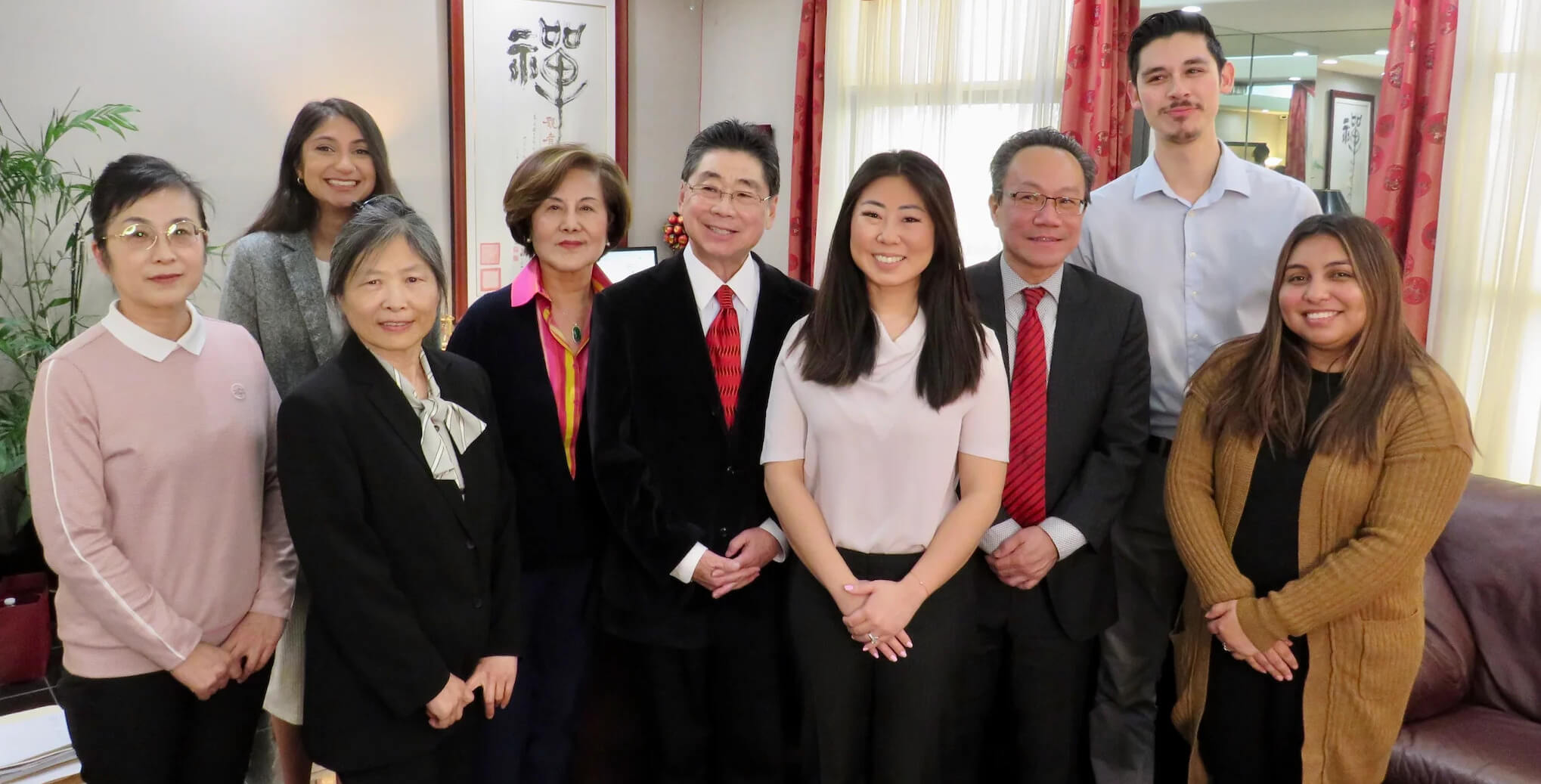
Why Choose Us?
-

Unmatched Expertise
Trust in Peter Chu's 75+ years of collective experience to guide you through complex immigration matters.
-

Tailored Solutions
Our personalized strategies adapt to your unique circumstances, ensuring we meet your specific immigration needs.
-

Proven Success
Benefit from our solid track record in achieving favorable outcomes in various immigration cases across San Diego.
-

Dedicated Service
Experience our client-first approach that ensures constant support and guidance throughout your immigration journey.


Get clear, expert legal guidance tailored to your visa, green card, or citizenship needs.

Inquire now to check if you qualify
Choosing EB-1A Representation vs. Other Immigration Pathways in Chicago
Chicago professionals seeking employment-based green cards face several pathway options: EB-1A (extraordinary ability, self-petition), EB-1B (outstanding researcher, requires employer), EB-2 NIW (national interest waiver, requires advanced degree), or traditional EB-2/EB-3 with PERM labor certification. Each has distinct timelines, evidentiary standards, and strategic tradeoffs.
Here's the honest answer: EB-1A is not the easiest pathway — it has the highest evidentiary threshold and requires sustained national or international acclaim that most professionals, even highly accomplished ones, do not possess. But for those who qualify, it is the fastest: no labor certification (saving 12–18 months), no employer sponsorship requirement (complete portability), and current priority date availability for most countries. EB-2 NIW offers a middle ground with lower acclaim standards but still requires proving your work benefits U.S. national interest. Traditional PERM-based EB-2/EB-3 cases are employer-dependent and subject to multi-year backlogs for India and China-born applicants. If you meet the three-of-ten criteria threshold, EB-1A delivers the most strategic advantage — but only if the petition is structured correctly from the outset.
| Pathway | Employer Required | Timeline to File I-485 | Acclaim Standard | Bottom Line |
|---|---|---|---|
| EB-1A | No (self-petition) | 4–8 months (current) | Highest (sustained national/international) | Fastest if you qualify — full portability, no labor cert |
| EB-2 NIW | No | 6–12 months (current) | Moderate (national interest) | Good alternative if acclaim is limited |
| EB-2 PERM | Yes | 18–36 months (India/China backlog) | Lower (advanced degree) | Employer-locked, long wait for oversubscribed countries |
| EB-3 PERM | Yes | 24–48+ months (backlog) | Lowest (bachelor's or skilled) | Longest timeline, least flexibility |
Frequently Asked Questions
Find answers to common questions about our services
-
Standard processing for EB-1A petitions filed with USCIS Nebraska or Texas Service Centers currently ranges from 4 to 8 months without premium processing, and 15 calendar days with premium processing (additional $2,500 fee). Chicago applicants should note
-
Attorney fees for EB-1A petition preparation typically range from $8,000 to $15,000 depending on case complexity, the volume of evidence requiring organization, and whether expert letter drafting support is included. This is separate from USCIS filing fee
-
Yes — EB-1A is a self-petition category that does not require a specific job offer, employer sponsorship, or labor certification. You must demonstrate that you intend to continue working in your area of extraordinary ability in the United States, but this
-
You must provide documentation satisfying at least three of ten regulatory criteria: receipt of major prizes or awards, membership in associations requiring outstanding achievement, published material about you in professional media, participation as a ju
-
EB-1A requires sustained national or international acclaim and extraordinary ability in your field — the highest standard among employment-based categories. EB-2 NIW (National Interest Waiver) requires an advanced degree and a showing that your work benef
-
Yes — you can file an EB-1A petition while on F-1 status, including during Optional Practical Training (OPT) or STEM OPT extension periods. Approval of your I-140 petition does not change your current status, and you will still need to wait until your pri
-
If USCIS denies your EB-1A petition, you have several options: file a motion to reopen or reconsider if new evidence has become available or if you believe the denial was based on factual or legal error, file a new I-140 petition with strengthened evidenc
-
No — immigration law is federal, and EB-1A petitions are filed with USCIS service centers rather than local field offices, meaning you can retain an attorney licensed to practice immigration law regardless of your current physical location. Law Office of
Need Personalized Immigration Guidance?

