
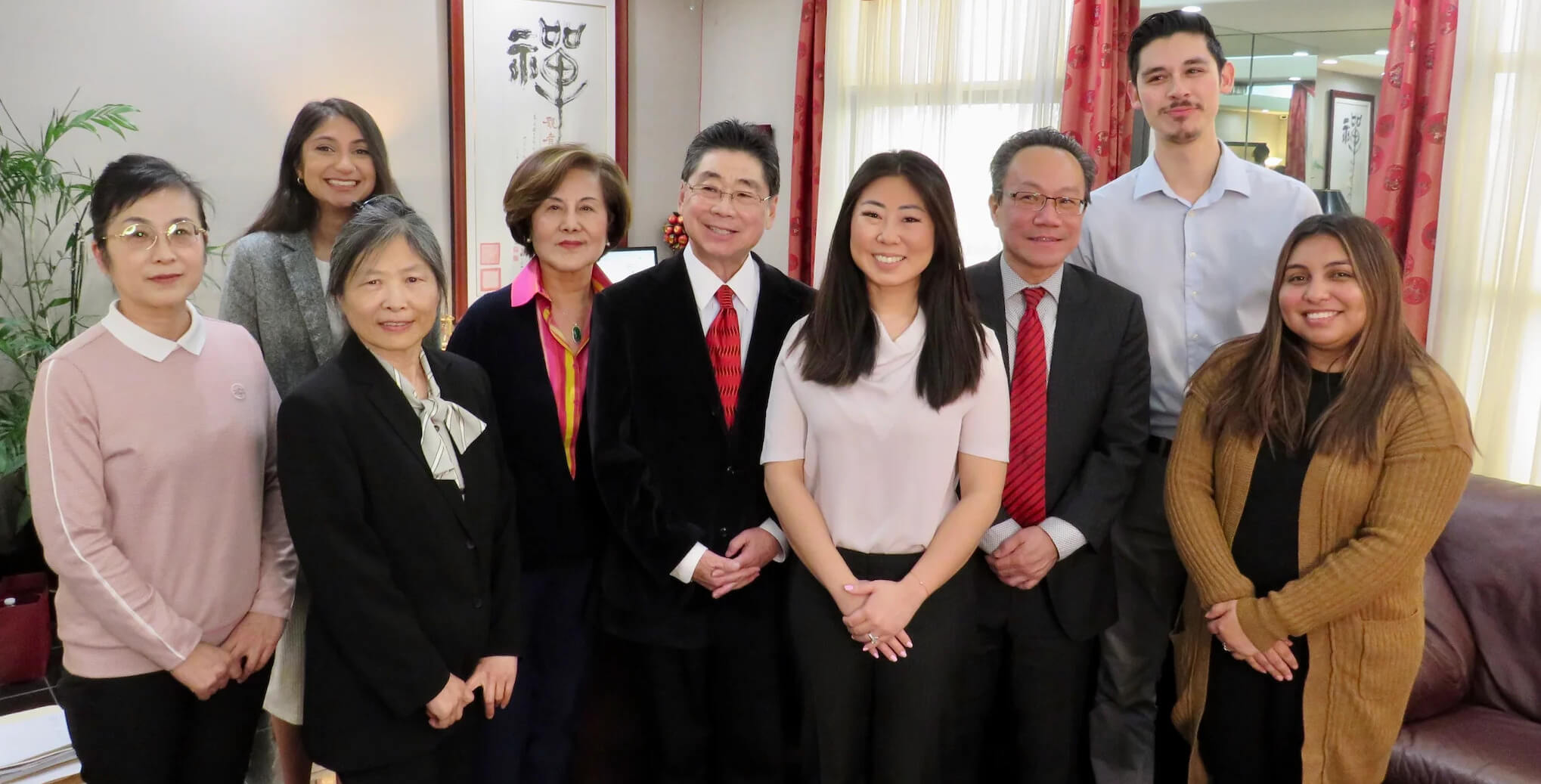
Why Choose Us?
-

Unmatched Expertise
Trust in Peter Chu's 75+ years of collective experience to guide you through complex immigration matters.
-

Tailored Solutions
Our personalized strategies adapt to your unique circumstances, ensuring we meet your specific immigration needs.
-

Proven Success
Benefit from our solid track record in achieving favorable outcomes in various immigration cases across San Diego.
-

Dedicated Service
Experience our client-first approach that ensures constant support and guidance throughout your immigration journey.


Get clear, expert legal guidance tailored to your visa, green card, or citizenship needs.

Inquire now to check if you qualify
Why Cupertino Professionals Choose Specialized EB-1A Representation Over General Immigration Firms
EB-1A petitions are the most evidence-intensive employment-based category — requiring not just documentation but strategic presentation of how your credentials meet USCIS's interpretation of 'extraordinary ability' under binding AAO precedent decisions. General immigration practices handle dozens of visa types; specialized EB-1A counsel focuses exclusively on the regulatory criteria, citation metrics, expert letter standards, and final merits arguments that distinguish approved petitions from denials.
Here's the honest answer: if your immigration attorney cannot cite Kazarian v. USCIS or explain the two-step adjudication framework (threshold criteria, then final merits determination), they lack the technical depth required for EB-1A representation. Law office of Peter Darwin Chu limits its practice to employment-based immigrant visas, ensuring every Cupertino-area petition benefits from counsel who has handled the specific category before.
| Approach | Evidence Strategy | Regulatory Knowledge | Professional Assessment |
|---|---|---|---|
| Specialized EB-1A Counsel | Organizes exhibits by criterion, supplements with citation analysis and expert letters addressing final merits | Cites binding AAO decisions, applies Kazarian framework, identifies evidentiary gaps pre-filing | Required for competitive petitions |
| General Immigration Firm | Submits credentials as provided, minimal strategic curation | May lack familiarity with category-specific case law and adjudication trends | Risk of RFE or denial due to incomplete presentation |
| DIY Filing | No attorney review of evidence sufficiency or legal arguments | Misapplication of criteria common; final merits standard often misunderstood | Only viable if you have previously filed successful EB-1A petitions |
Frequently Asked Questions
Find answers to common questions about our services
-
Standard I-140 processing for EB-1A petitions currently averages 4–6 months at USCIS service centers, though premium processing (Form I-907) guarantees a 15-day adjudication for an additional $2,805 filing fee. Once I-140 is approved, Cupertino residents
-
Under 8 CFR 204.5(h)(3), you must satisfy at least three of ten regulatory criteria: receipt of major awards, membership in associations requiring outstanding achievement, published material about you in major media, serving as a judge of others' work, or
-
Yes — EB-1A is a self-petition that does not require employer sponsorship, and filing it does not affect your current H-1B nonimmigrant status. You may file I-140 (EB-1A petition) and I-485 (Adjustment of Status) concurrently if you are already in the Uni
-
If USCIS denies your I-140 petition, you may file a motion to reopen or reconsider within 30 days, or appeal to the Administrative Appeals Office within 30 days. Alternatively, you may file a new petition with additional evidence addressing the grounds fo
-
No — EB-1A does not require a job offer or labor certification. You self-petition based on your extraordinary ability credentials, and you must demonstrate that you intend to continue working in your area of extraordinary ability in the United States. Thi
-
Attorney fees for EB-1A representation in Cupertino typically range from $8,000 to $15,000 depending on case complexity, evidence volume, and whether premium processing or RFE response is required. This fee covers petition preparation, legal brief draftin
-
USCIS applies a two-step test under *Kazarian v. USCIS*: first, you satisfy at least three regulatory criteria; second, the totality of evidence demonstrates sustained acclaim and that your continued work will substantially benefit the U.S. Evidence of ac
-
USCIS typically evaluates 'high salary' based on W-2 wages or comparable cash compensation reported to tax authorities, not unvested equity or founder stock with speculative future value. If your Cupertino startup has raised venture funding and you receiv
Need Personalized Immigration Guidance?

