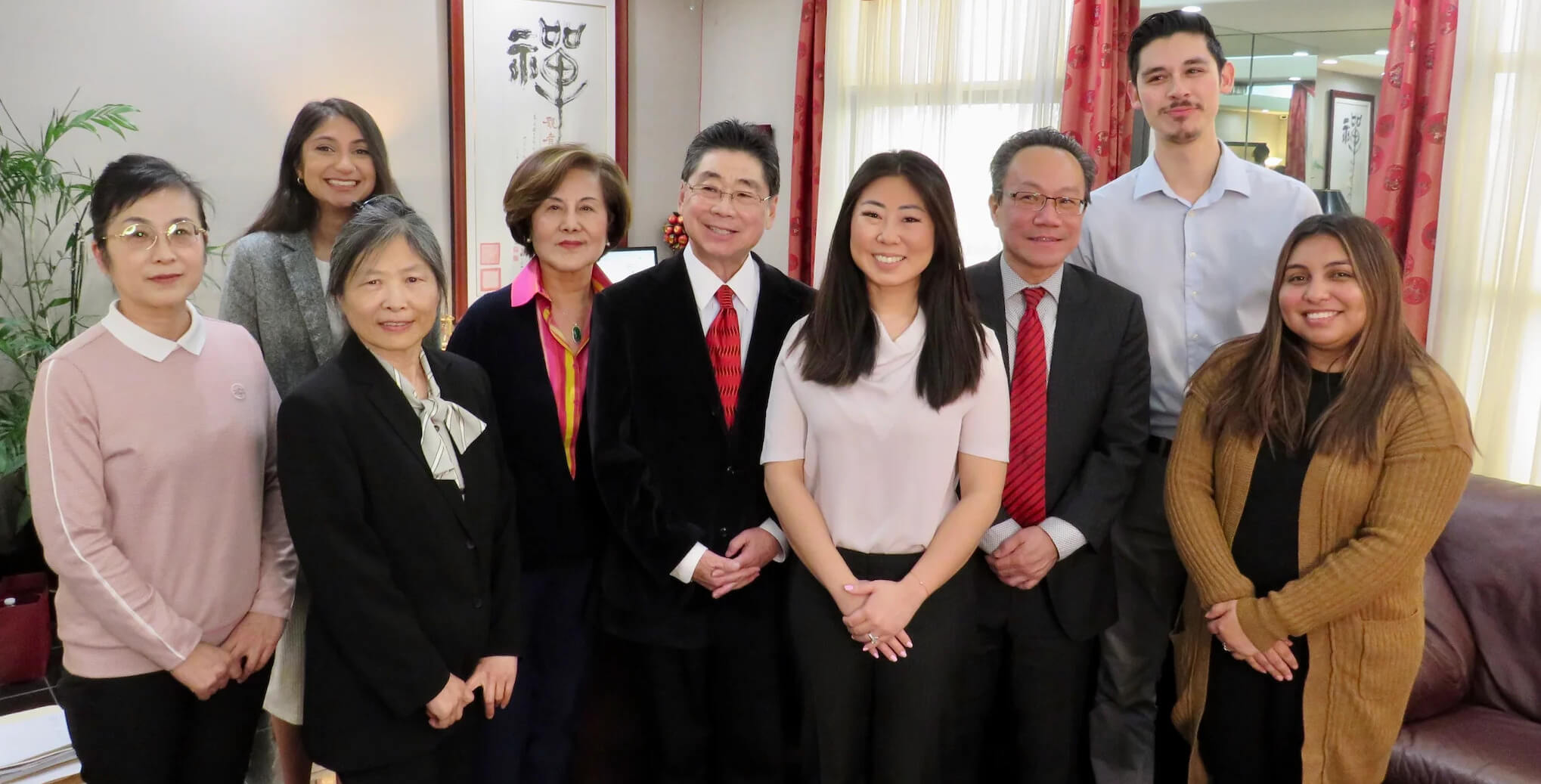

Why Choose Us?

  • Unmatched Expertise

    Trust in Peter Chu's 75+ years of collective experience to guide you through complex immigration matters.

  • Tailored Solutions

    Our personalized strategies adapt to your unique circumstances, ensuring we meet your specific immigration needs.

  • Proven Success

    Benefit from our solid track record in achieving favorable outcomes in various immigration cases across San Diego.

  • Dedicated Service

    Experience our client-first approach that ensures constant support and guidance throughout your immigration journey.

Highland, CA — home to approximately 55,000 residents spanning zip codes 92346 and adjacent areas — has seen a 23% increase in professional and technical workers over the past five years, many of whom pursue immigration pathways requiring proof of extraordinary ability in their fields. For residents across Highland and San Bernardino County, the difference between an approved EB-1A petition and a Request for Evidence often comes down to whether you had a licensed California immigration attorney structuring your evidence portfolio before filing. Law office of Peter Darwin Chu has guided clients through the EB-1A extraordinary ability visa process, building evidentiary cases that meet the stringent standards required by USCIS adjudicators.

Book a Consultation

Law office of Peter Darwin Chu is a California-licensed immigration law firm serving Highland residents pursuing EB-1A extraordinary ability visas — offering comprehensive petition preparation, evidence portfolio development, and direct USCIS filing with no upfront legal fees until case acceptance. Our EB-1A practice focuses exclusively on building documentary cases that satisfy at least three of the ten regulatory criteria under 8 CFR 203.11(e), with particular emphasis on peer review documentation, published material evidence, and original contributions of major significance.

EB-1A Lawyer Highland Available Across Highland and Surrounding Areas

Law office of Peter Darwin Chu represents clients throughout Highland, CA, and San Bernardino County — including residents in zip codes 92346 and 95660, as well as surrounding communities in East Highlands, Patton, and Mentone. All California residents with qualifying EB-1A extraordinary ability claims are eligible for representation regardless of county, and we regularly prepare petitions for professionals working remotely from Highland in technology, research, business, athletics, and arts fields.

What Highland Residents Can Access

EB-1A Extraordinary Ability Petition Preparation

The EB-1A visa requires documented evidence of sustained national or international acclaim in your field of expertise. Law office of Peter Darwin Chu conducts a comprehensive initial case assessment to identify which of the ten regulatory criteria your background satisfies — including awards, published material about you, membership in associations requiring outstanding achievement, original contributions, and authorship of scholarly articles. We then build a structured evidence portfolio with supporting declarations, translations, and a detailed legal brief arguing how your achievements meet the statutory standard of extraordinary ability. This process typically requires 8–12 weeks of evidence gathering and attorney review before filing. Highland professionals in software engineering, biotechnology research, entrepreneurship, and creative industries have used our EB-1A services to secure employment-based green cards without labor certification.

Evidence Portfolio Development and Citation Analysis

USCIS adjudicators evaluate EB-1A petitions based on the quality and credibility of submitted evidence — not resume length. We conduct citation analysis for published researchers, media impact assessment for business leaders and artists, and peer review documentation for professionals in technical fields. For Highland residents working in emerging technology sectors or niche research areas, we coordinate with expert witnesses who can attest to the significance of your contributions within your specific field. Our evidence development service includes detailed sourcing of third-party validation — letters from independent experts, documentation of your work's influence on industry standards, and proof of judging or review roles you have held.

EB-1A Visa Compliance and Filing

Once your evidence portfolio is complete, we prepare Form I-140 (Immigrant Petition for Alien Workers) with all required supporting documentation, file directly with USCIS, and monitor your case through adjudication. We provide written guidance on maintaining lawful status during processing, outline your options if a Request for Evidence is issued, and coordinate with your employer if applicable. For self-petitioning Highland applicants — entrepreneurs, independent researchers, or artists — we structure the petition to demonstrate your intent and ability to continue working in your field of extraordinary ability within the United States.

Get in touch

Get clear, expert legal guidance tailored to your visa, green card, or citizenship needs.

Licensed Immigration Counsel You Can Verify

Law office of Peter Darwin Chu maintains all required California state bar licenses and professional liability insurance as mandated for immigration law practice. Our EB-1A representation is governed by California Rules of Professional Conduct Rule 1.4 (client communication) and Rule 1.15 (safekeeping client property and trust account management). We provide written fee agreements before representation begins, maintain client trust accounts in compliance with California Bar regulations, and carry professional liability coverage. Every Highland client receives a case portal login for real-time access to filing status, evidence submission tracking, and attorney communications — ensuring full transparency throughout the EB-1A petition process.

Inquire now to check if you qualify

What If I Don't Have All Ten EB-1A Criteria — Can I Still Apply in Highland?

You do not need to satisfy all ten criteria — USCIS requires evidence of at least three of the ten regulatory categories under 8 CFR 203.11(e), plus a final showing that you meet the statute's overall standard of sustained national or international acclaim. Many successful Highland EB-1A petitions are built on just three or four strong categories — for example, authorship of scholarly articles, evidence of your work being cited by others, and membership in associations requiring outstanding achievement. The key is demonstrating that your three categories represent genuinely extraordinary accomplishment, not merely competent professional work. Law office of Peter Darwin Chu conducts a detailed criteria assessment during the initial consultation to determine whether your background meets the evidentiary threshold before you commit to filing.

What If My Field of Expertise Is Highly Specialized — Will USCIS Understand It in Highland?

USCIS adjudicators are not subject matter experts in niche technical or creative fields, which is precisely why expert opinion letters and contextual evidence are critical components of an EB-1A petition. For Highland residents working in emerging technology sectors, specialized research areas, or regional art forms, we coordinate with credentialed independent experts who can explain the significance of your contributions in language that a non-specialist can understand. The legal brief we prepare translates your field's standards of acclaim into the regulatory language USCIS expects — demonstrating how citation counts, industry adoption, award prestige, or peer recognition in your field equate to extraordinary ability under immigration law.

What If I'm Self-Employed — Does the EB-1A Require a U.S. Job Offer in Highland?

No job offer is required for an EB-1A petition — you can self-petition if you intend to continue working in your area of extraordinary ability in the United States. For self-employed Highland professionals — including entrepreneurs, independent consultants, freelance researchers, and artists — the petition must demonstrate that your future U.S. work will benefit the nation and that you have the ability and intent to continue in your field. This is typically shown through evidence of contracts, business plans, client letters, or ongoing projects. Unlike employment-based second preference (EB-2) and third preference (EB-3) visas, the EB-1A does not require labor certification or employer sponsorship, making it the preferred pathway for founders and independent professionals.

What If USCIS Issues a Request for Evidence on My Highland EB-1A Petition?

A Request for Evidence (RFE) is not a denial — it is USCIS's formal request for additional documentation or clarification on specific criteria or evidentiary gaps. Approximately 40–50% of EB-1A petitions receive RFEs, most commonly requesting stronger evidence of sustained acclaim, more detailed expert letters, or clearer documentation of original contributions. Law office of Peter Darwin Chu treats RFE response as a structured legal brief: we identify exactly what USCIS found insufficient, source additional corroborating evidence, and provide point-by-point legal argumentation addressing each concern raised. Highland clients receive a detailed RFE response strategy within 5 business days of receiving the notice, and we coordinate all evidence gathering to meet the response deadline — typically 30 to 87 days depending on the notice.

Why Highland Professionals Choose Law Office of Peter Darwin Chu Over Other Immigration Options

Highland residents pursuing EB-1A extraordinary ability visas face three primary options: self-filing with online form services, hiring a general immigration attorney who handles all visa categories, or working with a firm that focuses specifically on employment-based immigrant petitions. Online filing platforms provide forms and checklists but no legal analysis of whether your evidence meets the extraordinary ability standard — they cannot advise you on which criteria to emphasize, how to structure expert letters, or whether your citation count is sufficient under current adjudication trends. General immigration practitioners handle EB-1A petitions alongside family-based visas, asylum cases, and deportation defense, which means they may lack the case volume and adjudication pattern knowledge that comes from focusing on a narrow practice area.

Here's the honest answer: EB-1A petitions are evidence-intensive legal arguments, not form-filling exercises. The difference between approval and an RFE or denial often hinges on how persuasively your evidence is framed, whether your expert letters address the specific regulatory criteria USCIS scrutinizes, and whether your legal brief preemptively counters the most common grounds for rejection. Law office of Peter Darwin Chu structures every EB-1A petition as if it will be reviewed by a skeptical adjudicator — we source independent corroboration for every claimed achievement, draft expert declarations that cite specific regulatory language, and prepare legal briefs that apply case law and AAO decisions to your evidence. This level of evidentiary rigor is not standard practice at firms where EB-1A cases are a small fraction of total caseload.

Filing ApproachEvidence StrategyLegal ArgumentAttorney FocusProfessional Assessment
Online DIY ServicesChecklist of documentsNone — forms onlyNo attorney assignedHigh risk — no legal analysis of criteria sufficiency
General Immigration FirmStandard evidence requestTemplate briefMixed caseload (family, asylum, employment)Moderate risk — limited EB-1A case volume
Law Office of Peter Darwin ChuCriteria-specific portfolio with independent corroborationCustom legal brief citing case law and AAO decisionsEB-1A and employment-based immigration focusStructured evidentiary case built for adjudication scrutiny

Speak With Us Today

Frequently Asked Questions

Find answers to common questions about our services

  • EB-1A attorney fees in Highland typically range from $8,000 to $15,000 depending on case complexity, evidence volume, and whether expert witness coordination is required. Law office of Peter Darwin Chu provides transparent flat-fee pricing disclosed in a

  • USCIS does not publish approval rates by applicant location, but national EB-1A approval rates hover around 50–60% on initial petition, with many cases requiring RFE responses or appeals. Success rates are highly dependent on evidence quality, not geograp

  • Yes, you can file an EB-1A petition while in the United States on most nonimmigrant visa statuses — including H-1B, L-1, O-1, F-1 OPT, or even B-1/B-2 visitor status, though the latter carries risks if USCIS believes you entered with preconceived immigran

  • Your EB-1A attorney will request documentation across multiple regulatory categories: awards and prizes you have received, published material about you in professional or major media, evidence of your membership in associations requiring outstanding achie

  • From initial consultation to I-140 filing typically requires 8–16 weeks for evidence gathering and petition preparation. Once filed, USCIS processing times for EB-1A petitions vary by service center — currently ranging from 6 to 18 months for standard pro

  • No, you do not need to be physically located in Highland or even employed in California to work with Law office of Peter Darwin Chu on an EB-1A petition. The EB-1A is a federal immigration benefit governed by USCIS, not state-specific law, and can be file

  • If USCIS denies your I-140 petition, you have two options: file a motion to reopen or reconsider with USCIS, or appeal the decision to the Administrative Appeals Office (AAO). A motion to reopen allows you to submit new evidence that was not available at

  • Yes, your spouse and unmarried children under 21 are eligible for derivative EB-1 status and can accompany you or follow to join once your I-140 is approved. They will file Form I-485 (adjustment of status) or apply for immigrant visas at a U.S. consulate

Need Personalized Immigration Guidance?

Law office of Peter Darwin Chu provides EB-1A lawyer Highland services to California residents pursuing extraordinary ability visas — offering evidence portfolio development, regulatory criteria analysis, and direct USCIS filing with comprehensive case management from initial consultation through petition adjudication.

Related Immigration Services for Highland Residents

Law office of Peter Darwin Chu also represents Highland clients pursuing EB-1B Visa petitions for outstanding professors and researchers, EB-1C Visa Law Office services for multinational executives, and EB-2 Visa cases requiring National Interest Waivers. For clients in other California regions, we offer specialized counsel in EB-1A Visa Los Angeles, EB-1A Visa Long Beach, and EB-1A Visa Riverside. Our practice also includes O-1 Visa Guidance for nonimmigrant extraordinary ability cases and EB-3 Visa representation for skilled workers. Additionally, we provide Eb-1a Visa In Gaslamp counsel and maintain a detailed EB-1A Visa resource library covering national filing requirements and adjudication standards.

Book a Consultation