
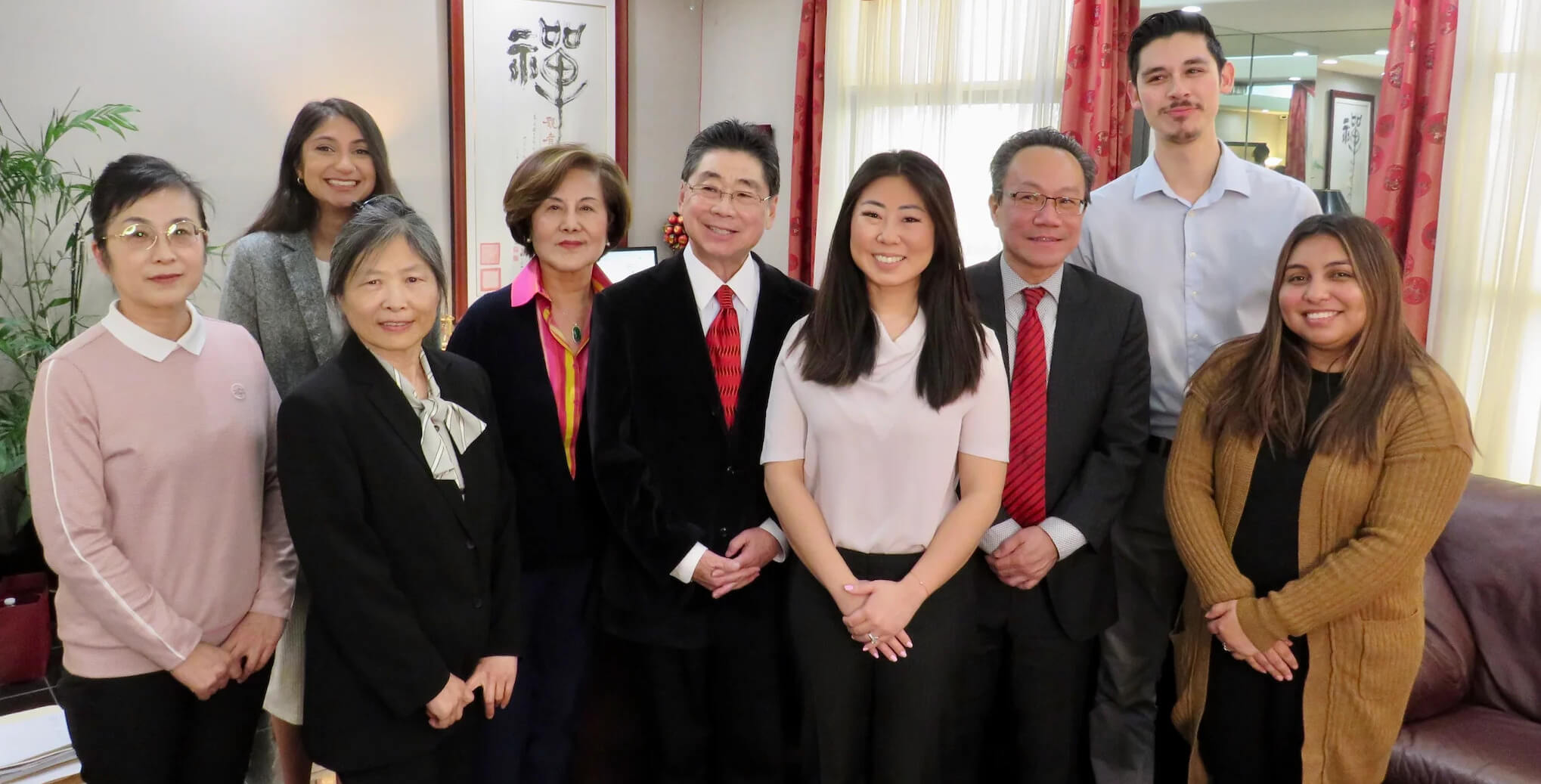
Why Choose Us?
-

Unmatched Expertise
Trust in Peter Chu's 75+ years of collective experience to guide you through complex immigration matters.
-

Tailored Solutions
Our personalized strategies adapt to your unique circumstances, ensuring we meet your specific immigration needs.
-

Proven Success
Benefit from our solid track record in achieving favorable outcomes in various immigration cases across San Diego.
-

Dedicated Service
Experience our client-first approach that ensures constant support and guidance throughout your immigration journey.


Get clear, expert legal guidance tailored to your visa, green card, or citizenship needs.

Inquire now to check if you qualify
Choosing Between DIY EB-1A Filing, Online Petition Services, and Houston Immigration Attorneys
Houston EB-1A applicants face three primary filing options: self-preparation using USCIS forms and instructions, online petition assembly services charging flat fees for document templates, or licensed immigration attorney representation. Here's the honest answer: EB-1A petitions have one of the highest initial denial rates among employment-based immigrant visa categories — not because applicants lack qualification, but because evidentiary presentation fails to satisfy the regulatory acclaim standard or misapplies the three-of-ten-criteria framework. Online services provide forms but no legal judgment about which criteria your achievements actually satisfy or how to structure expert letters for maximum persuasive impact. Self-filed petitions save attorney fees but risk denial outcomes that require starting over — potentially after priority date loss if visa bulletin retrogression occurs during the denial-refile cycle.
| Filing Method | Regulatory Interpretation | Evidence Strategy | RFE Response | Professional Assessment |
|---|---|---|---|---|
| DIY / Self-Filed | USCIS instructions only — no case law analysis | Applicant selects criteria without legal framework | Applicant drafts response without adjudication experience | High risk for qualified candidates — one filing attempt, no strategic backup |
| Online Petition Services | Template-based — limited customization | Generic evidence lists not tailored to applicant profile | Often not included or requires separate fee | Documents without legal judgment — cost savings offset by approval risk |
| Licensed Immigration Attorney (Houston) | Full 8 CFR 204.5(h)(3) and AAO precedent analysis | Customized three-criteria strategy based on strongest evidence | Included in representation — direct adjudicator rebuttal | Highest approval probability — upfront cost justified by outcome improvement and timeline efficiency |
Frequently Asked Questions
Find answers to common questions about our services
-
USCIS Texas Service Center processing times for EB-1A petitions fluctuate based on case volume and staffing — current estimates range from 6 to 12 months for regular processing. Premium processing (Form I-907) guarantees 15-business-day adjudication for a
-
EB-1A attorney fees in Houston typically range from $8,000 to $15,000 depending on case complexity, number of criteria requiring documentation, and whether expert opinion letters must be coordinated. This fee covers petition preparation, legal brief draft
-
Yes — EB-1A petitions can be filed while you are abroad, and approval does not require you to be physically present in the United States during adjudication. If your EB-1A is approved while you are outside the U.S., you proceed through consular processing
-
No — EB-1A is a self-petition category that requires no employer sponsorship, no job offer, and no labor certification. You must demonstrate intent to continue working in your field of extraordinary ability in the United States, but you do not need a spec
-
EB-1A is an immigrant visa petition leading to permanent residency (green card), while O-1 is a nonimmigrant visa providing temporary work authorization for up to three years with unlimited extensions. Both require extraordinary ability evidence, but EB-1
-
Yes — your spouse and unmarried children under age 21 are eligible for derivative green cards as EB-1 dependents once your EB-1A petition is approved and a visa number is available. Derivative family members file adjustment of status (Form I-485) simultan
-
If USCIS denies your EB-1A petition, you receive a written denial notice explaining the specific evidentiary deficiencies or regulatory criteria the adjudicator determined were not satisfied. You have three options: (1) file a motion to reopen or reconsid
-
Sustained acclaim is demonstrated through evidence satisfying at least three of the ten criteria listed in 8 CFR 204.5(h)(3) — plus a showing that your achievements collectively reflect national or international recognition in your field. Common evidence
Need Personalized Immigration Guidance?

