
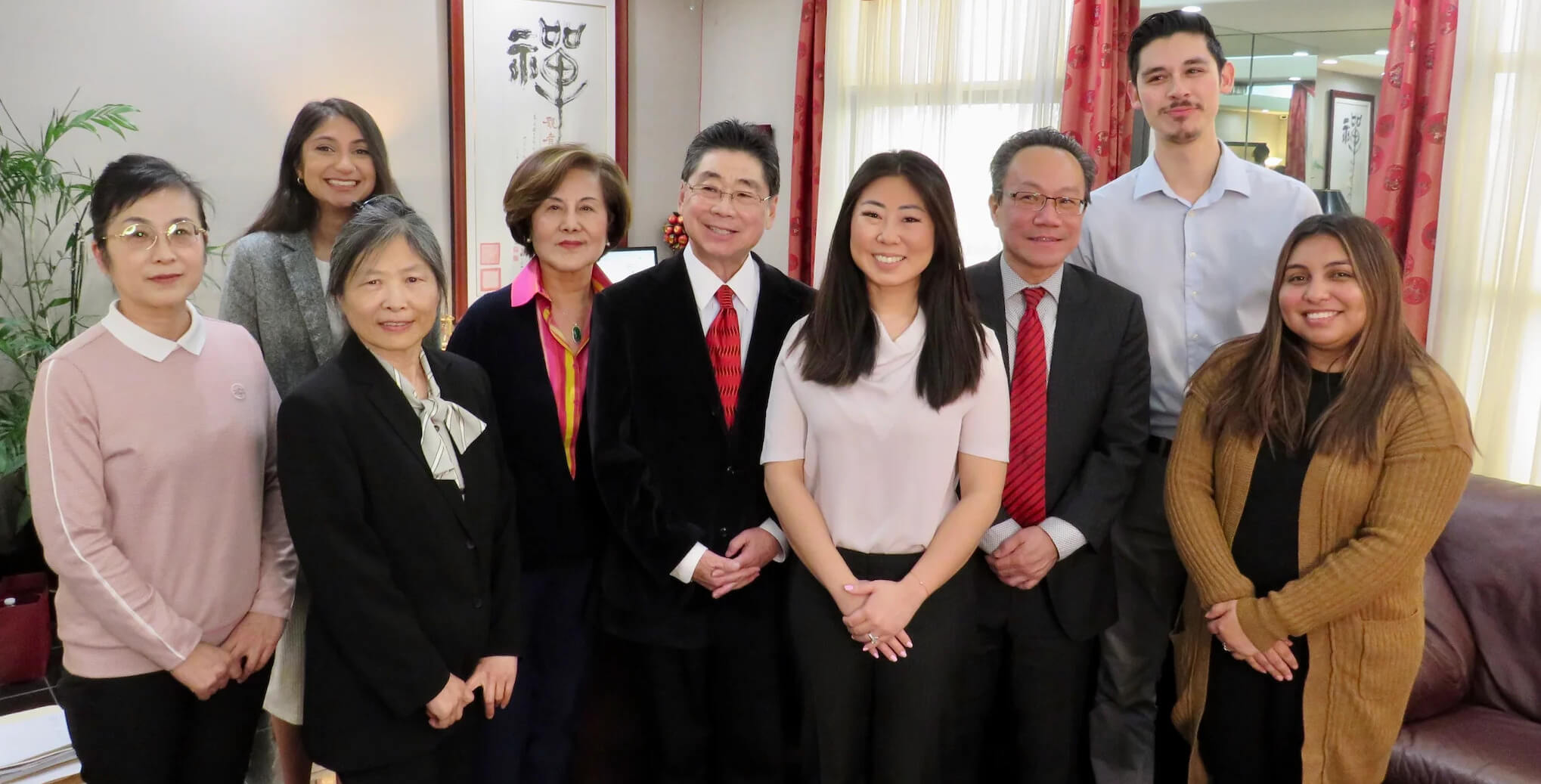
Why Choose Us?
-

Unmatched Expertise
Trust in Peter Chu's 75+ years of collective experience to guide you through complex immigration matters.
-

Tailored Solutions
Our personalized strategies adapt to your unique circumstances, ensuring we meet your specific immigration needs.
-

Proven Success
Benefit from our solid track record in achieving favorable outcomes in various immigration cases across San Diego.
-

Dedicated Service
Experience our client-first approach that ensures constant support and guidance throughout your immigration journey.


Get clear, expert legal guidance tailored to your visa, green card, or citizenship needs.

Inquire now to check if you qualify
Comparing Your EB-1A Representation Options in Seattle
Seattle professionals pursuing EB-1A petitions typically consider three paths: self-filing using online templates and USCIS instructions, using a document preparation service that assembles forms without legal analysis, or retaining a licensed immigration attorney with employment-based petition experience. Here's the honest answer: EB-1A petitions have among the highest initial denial and RFE rates of any employment-based category — USCIS data shows approval rates ranging from 42% to 68% depending on field and evidence quality — because the 'extraordinary ability' standard is inherently subjective and adjudicators apply it inconsistently. Self-prepared petitions often fail not because the applicant lacks qualifying achievements, but because the evidence is poorly organized, the legal brief fails to articulate why the evidence satisfies regulatory criteria, or critical supporting documentation (independent expert letters, citation metrics, impact statements) is missing entirely. Document services can assemble forms but cannot provide legal strategy, draft persuasive briefs, or advise on which evidence strengthens versus dilutes your case. An experienced EB-1A attorney evaluates your credentials against current USCIS adjudication standards, identifies the strongest three-to-five criteria for your profile, and structures the petition to preempt common RFE triggers before filing.
| Option | Upfront Cost | Legal Strategy | RFE Risk | Professional Assessment |
|---|---|---|---|---|
| Self-Filing | $0–$700 (filing fees only) | None — you interpret regulations | High — 50–70% RFE rate | High risk for complex cases; viable only for exceptionally documented applicants |
| Document Prep Service | $500–$1,500 | Form assembly only, no legal analysis | High — no attorney review | No legal protection; same RFE risk as self-filing with added cost |
| Licensed Attorney (Law Office of Peter Darwin Chu) | $5,000–$12,000 (varies by complexity) | Comprehensive evidence strategy and legal brief | Lower — preemptive issue identification | Recommended for serious petitions; only option with attorney-client privilege and bar accountability |
Frequently Asked Questions
Find answers to common questions about our services
-
USCIS processing times for I-140 EB-1A petitions vary by service center — Seattle-area petitions are typically processed at the Nebraska or Texas Service Center. Standard processing averages 6–10 months, though times fluctuate based on caseload. Premium p
-
Attorney fees for EB-1A representation in Seattle typically range from $5,000 to $12,000 depending on case complexity, your field, and the amount of evidence requiring legal analysis and organization. This fee covers petition preparation, legal brief draf
-
Yes — EB-1A petitions can be filed regardless of your current immigration status. Seattle residents on H-1B, L-1, O-1, F-1 OPT, or other nonimmigrant statuses can self-petition for EB-1A without employer sponsorship or labor certification. Filing an I-140
-
USCIS requires evidence satisfying at least three of ten regulatory criteria: receipt of major nationally or internationally recognized prizes, membership in associations requiring outstanding achievement, published material about you in professional medi
-
No — EB-1A extraordinary ability visa petitions do not require employer sponsorship, job offer, or labor certification. You self-petition by demonstrating that you will continue working in your area of extraordinary ability after immigrating. Seattle-base
-
Yes — a denied EB-1A petition can be refiled with new or strengthened evidence after addressing the reasons for denial stated in the USCIS decision. Common denial reasons include insufficient evidence that your achievements rise to the 'extraordinary' lev
-
EB-1A (extraordinary ability) and EB-2 NIW (National Interest Waiver) are both self-petitioned employment-based immigrant visa categories that do not require employer sponsorship. EB-1A has a higher evidentiary standard — you must prove extraordinary abil
-
Yes — your spouse and unmarried children under 21 are eligible for derivative E-14 and E-15 immigrant visas based on your approved EB-1A petition. They can be included in your Adjustment of Status application if they are in the United States, or they can
Need Personalized Immigration Guidance?

