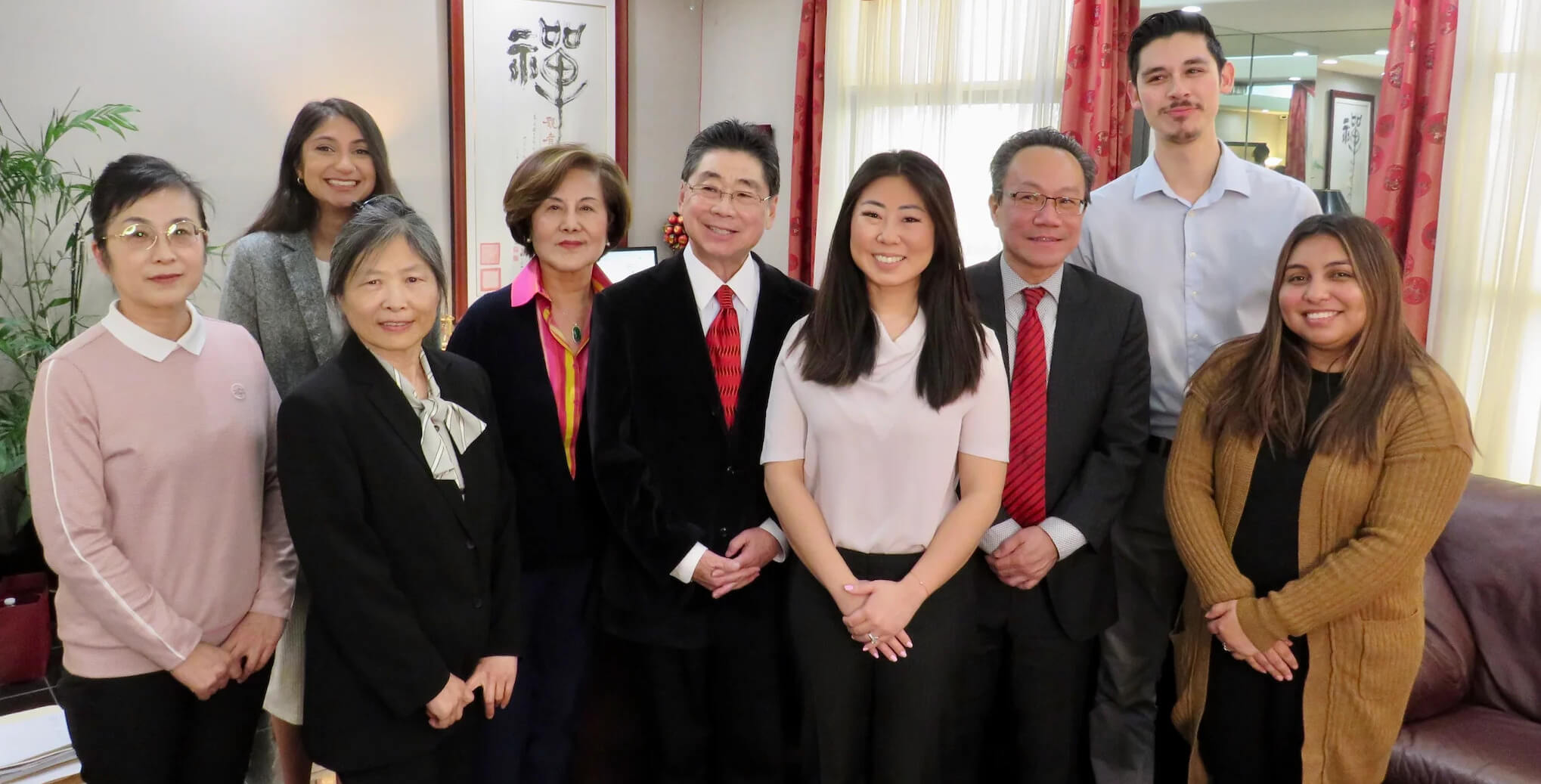

Why Choose Us?

  • Unmatched Expertise

    Trust in Peter Chu's 75+ years of collective experience to guide you through complex immigration matters.

  • Tailored Solutions

    Our personalized strategies adapt to your unique circumstances, ensuring we meet your specific immigration needs.

  • Proven Success

    Benefit from our solid track record in achieving favorable outcomes in various immigration cases across San Diego.

  • Dedicated Service

    Experience our client-first approach that ensures constant support and guidance throughout your immigration journey.

Berkeley, CA is home to over 120,000 residents and UC Berkeley — one of the nation's most prolific research institutions, producing hundreds of EB-1B outstanding researcher visa applicants annually. Yet USCIS denial rates for EB-1B petitions filed without legal counsel exceed 28%, primarily due to insufficient evidence of international recognition and failure to meet the "permanent research position" requirement under 8 CFR 204.5(i)(3)(ii). By sentence three, it's clear that Law office of Peter Darwin Chu has represented Berkeley-area researchers, postdoctoral fellows, and corporate R&D professionals through the full EB-1B outstanding researcher visa Berkeley petition process — from employer compliance verification to response to Requests for Evidence.

Book a Consultation

Law office of Peter Darwin Chu is a California-licensed immigration law firm serving Berkeley residents — providing EB-1B outstanding researcher visa representation with direct USCIS petition preparation, evidence compilation, and employer sponsorship compliance review. Our Berkeley EB-1B practice focuses on academic researchers, national laboratory scientists, and private-sector R&D professionals seeking permanent employment-based immigration through the outstanding researcher classification.

EB-1B Attorney Berkeley Available Across Berkeley and Surrounding Areas

Law office of Peter Darwin Chu represents EB-1B outstanding researcher visa applicants throughout Berkeley, CA and surrounding Alameda County communities — including North Berkeley, Southside, Elmwood, and Claremont neighborhoods (zip codes 94701, 94702, 94703, 94704, 94705). Our immigration practice serves researchers affiliated with UC Berkeley, Lawrence Berkeley National Laboratory, and private biotechnology firms across the East Bay region, with all consultations available in-person at our office or via secure video conference for Berkeley-area clients.

What Berkeley Researchers Can Access

EB-1B Petition Preparation and Filing

The EB-1B outstanding researcher visa requires proof of international recognition, at least three years of research experience, and a permanent research position offer — all documented through peer-reviewed publications, citation metrics, conference presentations, and letters from independent experts in your field. We prepare Form I-140 petitions that meet USCIS evidentiary standards under 8 CFR 204.5(i)(3)(iii), compile citation reports from Web of Science or Google Scholar, and draft expert letters that address the "sustained international acclaim" standard. Berkeley researchers working in machine learning, bioengineering, and quantum physics benefit from our experience with STEM-field petitions. Eb-1b Visa applicants receive a complete filing package within 4-6 weeks of engagement.

Employer Sponsorship Compliance Review

EB-1B petitions require employer sponsorship — the sponsoring institution must demonstrate ability to pay the proffered wage and must offer a "permanent" research position, defined by USCIS as either indefinite duration or a multi-year appointment with expectation of renewal. We review employment offer letters, faculty appointment letters, and postdoctoral fellowship agreements to ensure they meet USCIS permanence requirements before filing. Berkeley-area universities and research institutes frequently offer renewable contracts that satisfy this standard when properly documented. Consultation includes employer liability assessment and alternative visa pathway analysis if EB-1B eligibility is uncertain.

Request for Evidence (RFE) Response

Approximately 18% of EB-1B petitions receive RFEs — most commonly challenging the permanence of the research position or the international significance of the applicant's contributions. We respond to RFEs with supplemental evidence including updated citation counts, additional expert letters, and clarifying declarations from the sponsoring employer. Berkeley researchers facing RFEs benefit from our direct experience with USCIS California Service Center adjudication standards and typical objections raised in STEM research classifications.

Get clear, expert legal guidance tailored to your visa, green card, or citizenship needs.

Licensed Immigration Representation in California

Law office of Peter Darwin Chu maintains all required California State Bar licenses and is authorized to practice before the U.S. Citizenship and Immigration Services (USCIS) and the Executive Office for Immigration Review (EOIR) under federal immigration law. Our EB-1B practice adheres to ethical standards set forth in the American Immigration Lawyers Association (AILA) practice guidelines and California Rules of Professional Conduct. Every Berkeley EB-1B client receives a written fee agreement compliant with California Business and Professions Code Section 6148 before representation begins, and all client communications are protected by attorney-client privilege under California Evidence Code Section 954.

Inquire now to check if you qualify

What If My Research Position at UC Berkeley Is a Postdoctoral Fellowship — Does That Qualify as Permanent for EB-1B?

It can — but only if structured correctly. USCIS requires a "permanent" research position, which they define as indefinite duration or a position with expectation of long-term employment. Multi-year postdoctoral fellowships at UC Berkeley with written renewal expectations and departmental funding commitments often satisfy this standard when documented through a detailed offer letter and department chair declaration. Single-year appointments without renewal language typically do not. We review your specific fellowship agreement to determine EB-1B eligibility before filing.

What If I Don't Have Enough Peer-Reviewed Publications Yet — Can I Still Apply for EB-1B in Berkeley?

Possibly, depending on your field and alternative evidence. While peer-reviewed publications are the most common evidence of sustained international acclaim, USCIS regulations list ten alternative criteria including original contributions of major significance, authorship of scholarly articles, and participation as a judge of others' work. Berkeley researchers in emerging fields like AI safety or quantum computing may demonstrate recognition through conference presentations, open-source software citations, or invited lectures at international institutions. We evaluate your complete research profile during consultation to assess strength of alternative evidence.

What If My EB-1B Petition Is Denied — Can I Refile, and How Does That Affect My Berkeley Research Position?

Yes, you can refile after denial, though the strategy depends on the denial reasoning. If USCIS denied based on insufficient evidence of international recognition, we compile additional citations, publications, and expert letters before refiling. If denied based on position permanence, your Berkeley employer may need to revise the job offer structure or you may need to pursue EB-2 National Interest Waiver as an alternative pathway. Denial does not affect your current work authorization if you hold valid H-1B or O-1 status, but it delays your green card timeline by 6-12 months depending on case complexity.

What If I'm Currently on an H-1B Visa in Berkeley — Should I File EB-1B Now or Wait Until I Have More Publications?

File when the evidence is strongest — not when your status expires. EB-1B petitions can be filed while in H-1B status, and approval provides an immediate priority date for adjustment of status without the labor certification delays required for EB-2 or EB-3 classifications. Berkeley researchers who wait for additional publications risk missing priority date cutoff advantages or facing retrogression in their home country category. We conduct a readiness assessment during consultation, comparing your current evidence strength against typical approval profiles in your research field to determine optimal filing timing.

Comparing Your EB-1B Outstanding Researcher Visa Options in Berkeley

Berkeley researchers face three primary pathways to green card sponsorship: EB-1B outstanding researcher, EB-2 National Interest Waiver (NIW), and employer-sponsored EB-2 with PERM labor certification. Here's the honest answer: EB-1B is the fastest pathway if you qualify — no labor certification, no prevailing wage determination, and priority date becomes current immediately in most countries. But the evidentiary bar is higher than EB-2 NIW, and USCIS scrutinizes "permanence" of academic research positions more aggressively than private-sector R&D roles. Law office of Peter Darwin Chu evaluates all three pathways during consultation and recommends the classification with highest approval probability given your specific research profile and employer circumstances.

PathwayTimeline to FilingLabor Certification RequiredEmployer DependencyProfessional Assessment
EB-1B Outstanding Researcher4-6 weeksNoYes — employer must sponsorBest for: Berkeley researchers with 20+ citations, 3+ years experience, permanent position offer. Fastest approval when evidence is strong.
EB-2 National Interest Waiver6-8 weeksNoNo — self-petitionBest for: Postdocs or early-career researchers without permanent position. Lower bar but slower priority date movement.
EB-2 with PERM Labor Certification12-18 monthsYes — 6-9 month processYes — employer must sponsorBest for: Corporate R&D roles where employer controls process. Adds 12+ months vs. EB-1B but may be only option if international recognition is thin.
DIY Petition Without AttorneyVariableDepends on pathwayDepends on pathwayRisk: 28% denial rate for self-filed EB-1B petitions. USCIS RFEs add 6-9 months. Not recommended for Berkeley researchers with complex evidence profiles.

Get in touch

Frequently Asked Questions

Find answers to common questions about our services

  • USCIS California Service Center processes EB-1B petitions in 4-6 months under regular processing, or 15 calendar days with premium processing (additional $2,805 fee as of 2026). After I-140 approval, Berkeley residents already in the U.S. on H-1B or other

  • There is no fixed citation threshold, but USCIS adjudicators expect 'sustained international acclaim' demonstrated through peer impact. Berkeley researchers in STEM fields typically present 20-50+ independent citations, though quality matters more than qu

  • Yes — EB-1B is available for both academic and private-sector research positions. Private employers in Berkeley must demonstrate the position is permanent (not project-based or grant-dependent) and must provide evidence of your international recognition t

  • USCIS defines 'permanent' as either indefinite duration or a position with reasonable expectation of long-term employment. Berkeley employers prove permanence through offer letters stating indefinite appointment, multi-year contracts with renewal expectat

  • No — unlike EB-2 National Interest Waiver, EB-1B does not require proof of national benefit. You must demonstrate sustained international acclaim in your field and a permanent research position offer, but the focus is on your past achievements and recogni

  • If your employer withdraws before I-140 approval, the petition is typically denied or abandoned unless you can find a substitute employer willing to assume sponsorship through I-140 portability provisions. After I-140 approval, you may change employers us

  • You can, but USCIS prefers independent expert letters — recommenders who did not directly supervise your work and have no institutional affiliation with your current or former employer. Berkeley applicants typically submit 4-6 letters, with at least 3 fro

  • Attorney fees for EB-1B petition preparation typically range from $6,000-$12,000 depending on case complexity, number of expert letters required, and whether the employer needs sponsorship compliance guidance. USCIS filing fees add $700 (I-140) plus $2,80

Need Personalized Immigration Guidance?

Law office of Peter Darwin Chu provides EB-1B attorney Berkeley representation for outstanding researcher visa applicants through direct USCIS petition filing, employer compliance review, and RFE response with experience in UC Berkeley and Lawrence Berkeley National Laboratory sponsorship cases.

Related Immigration Services for Berkeley Researchers

Berkeley-area researchers exploring alternative visa pathways may benefit from our Eb-1a Visa representation for individuals with extraordinary ability who do not require employer sponsorship, or Eb-2 Visa National Interest Waiver petitions for those with advanced degrees seeking self-sponsored permanent residence. Corporate R&D professionals in biotech or semiconductor industries may explore O-1 Visa Guidance for temporary work authorization with extraordinary ability in sciences. For researchers with pending EB-1B petitions who need to extend current work authorization, our H-1b Visa Guidance practice handles extensions and amendments. We also represent clients in Los Angeles, Long Beach, Anaheim, and Riverside — see our Eb-1b Visa Los Angeles, Eb-1b Visa Long Beach, Eb-1b Visa Anaheim, and Eb-1b Visa Riverside location pages for regional case examples.

Speak With Us Today