
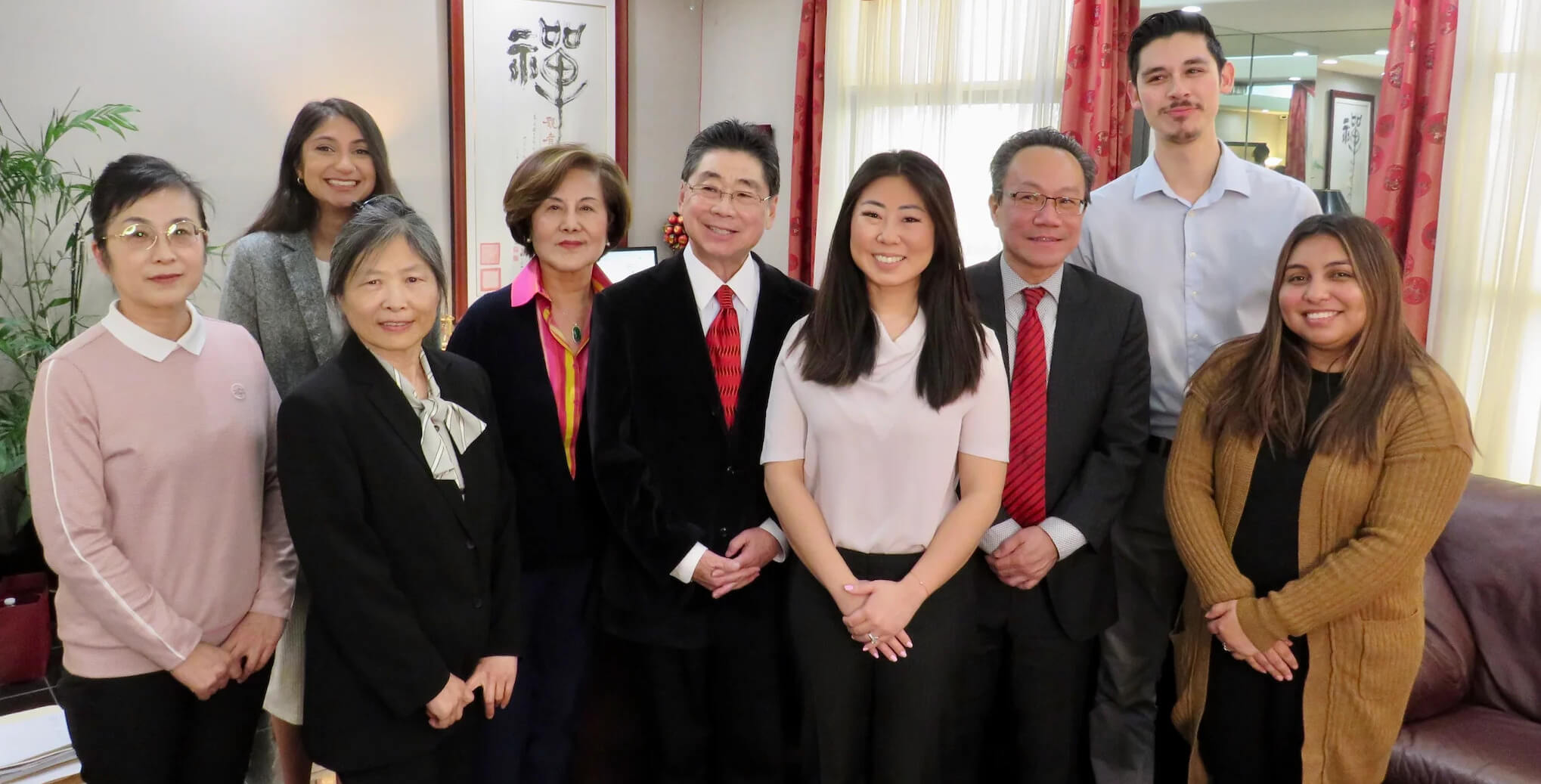
Why Choose Us?
-

Unmatched Expertise
Trust in Peter Chu's 75+ years of collective experience to guide you through complex immigration matters.
-

Tailored Solutions
Our personalized strategies adapt to your unique circumstances, ensuring we meet your specific immigration needs.
-

Proven Success
Benefit from our solid track record in achieving favorable outcomes in various immigration cases across San Diego.
-

Dedicated Service
Experience our client-first approach that ensures constant support and guidance throughout your immigration journey.


Get clear, expert legal guidance tailored to your visa, green card, or citizenship needs.

Inquire now to check if you qualify
Comparing Your EB-1B Outstanding Researcher Visa Options in Chicago
Chicago researchers pursuing employment-based green cards face three primary paths: EB-1B outstanding researcher petitions, EB-2 National Interest Waiver petitions, and standard EB-2 PERM labor certification. Here's the honest answer: EB-1B offers the fastest path to permanent residence for researchers with strong international recognition — no labor certification, no prevailing wage determination, and typically no visa backlogs — but the evidentiary threshold is substantially higher than EB-2 NIW. The strategic choice depends on your citation profile, peer review documentation, and how your employer defines your research position.
| Pathway | Evidence Threshold | Timeline | Employer Burden | Best For |
|---|---|---|---|---|
| EB-1B Outstanding Researcher | High — international recognition through publications, citations, peer review, awards | 12–18 months I-140 to green card | Moderate — permanent position letter required | Chicago researchers with 50+ citations, multiple first-author publications, peer review documentation |
| EB-2 National Interest Waiver | Moderate — substantial merit and national importance | 18–24 months I-140 to green card | None — self-petitioned | Researchers in emerging fields, those between positions, limited citation history |
| EB-2 PERM Labor Certification | Low — bachelor's + 5 years or master's degree | 24–36 months PERM to green card | High — recruitment, prevailing wage, labor certification | Researchers without outstanding recognition documentation |
| Professional Assessment | EB-1B is the fastest path for established researchers with documentation — EB-2 NIW provides flexibility for earlier-career researchers or those changing institutions — PERM is the fallback when recognition evidence is insufficient |
Frequently Asked Questions
Find answers to common questions about our services
-
The EB-1B process from initial petition filing to green card approval typically takes 12–18 months for Chicago researchers when filed with concurrent adjustment of status. This timeline assumes premium processing on the I-140 petition (15-day USCIS decisi
-
USCIS requires evidence satisfying at least two of six criteria under 8 CFR 204.5(i)(3)(i): published material about your work in professional publications, authorship of scholarly articles, participation as a judge of others' work, original contributions
-
Yes, if your employer's offer letter characterizes the position as permanent or indefinite despite grant funding. USCIS guidance since 2017 clarifies that grant-funded positions qualify as permanent under 8 CFR 204.5(i)(3)(iii) when the institution commit
-
EB-1B requires employer sponsorship and a permanent research position, while EB-1A is self-petitioned with no job offer required. EB-1A has a higher evidentiary standard — sustained national or international acclaim — while EB-1B requires international re
-
Attorney fees for complete EB-1B petition preparation typically range from $8,000 to $15,000 depending on case complexity, number of criteria to be documented, and whether RFE response is required. This fee covers petition drafting, evidence compilation,
-
Yes — EB-1B denials can be appealed to the Administrative Appeals Office or refiled with strengthened evidence addressing USCIS's denial reasons. Chicago researchers receiving denials typically benefit more from refiling with additional documentation than
-
Yes, under specific circumstances governed by American Competitiveness in the Twenty-First Century Act portability provisions. If your I-485 adjustment of status application has been pending for 180 days or more, you may change to a same or similar resear
-
Not if you use AC21 portability after your I-485 has been pending 180 days. However, you must remain in the same or similar occupational classification — meaning another research position in your field, not a departure from research to industry consulting
Need Personalized Immigration Guidance?

