
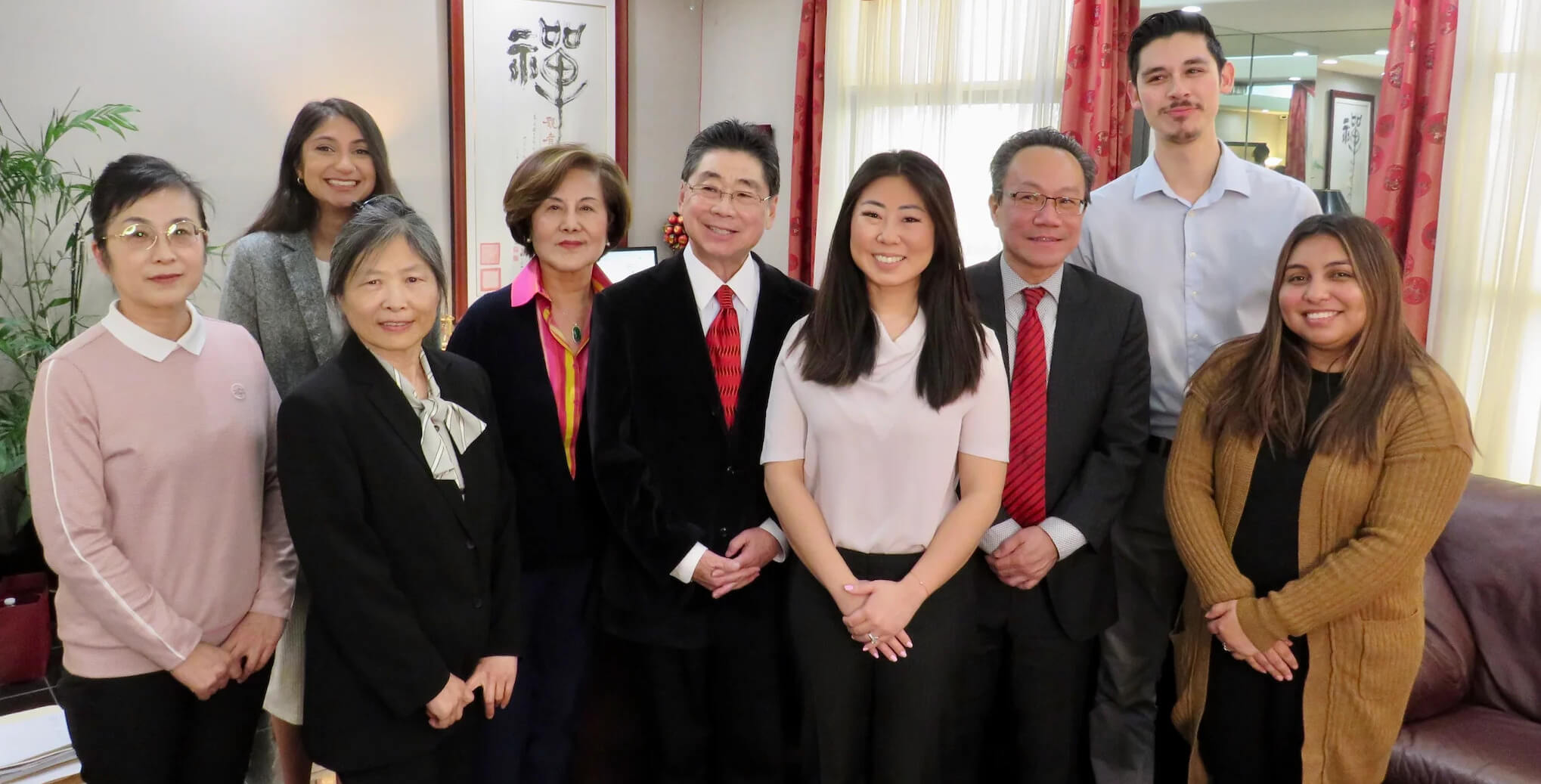
Why Choose Us?
-

Unmatched Expertise
Trust in Peter Chu's 75+ years of collective experience to guide you through complex immigration matters.
-

Tailored Solutions
Our personalized strategies adapt to your unique circumstances, ensuring we meet your specific immigration needs.
-

Proven Success
Benefit from our solid track record in achieving favorable outcomes in various immigration cases across San Diego.
-

Dedicated Service
Experience our client-first approach that ensures constant support and guidance throughout your immigration journey.


Get clear, expert legal guidance tailored to your visa, green card, or citizenship needs.

Inquire now to check if you qualify
Why El Monte Researchers Choose Law Office of Peter Darwin Chu Over Other Immigration Options
Researchers pursuing EB-1B classification face three primary options: self-petition through O-1 to EB-1A conversion, employer-sponsored EB-2 NIW with PERM labor certification, or direct EB-1B filing. Here's the honest answer: EB-1B is the fastest employment-based green card pathway for researchers with institutional sponsorship because it requires no labor certification, no prevailing wage determination, and no recruitment process — but it demands employer participation. Law office of Peter Darwin Chu specializes in EB-1B petitions for researchers who have secured permanent academic or research positions and need an immigration strategy that respects both the USCIS evidentiary standard and the employer's administrative capacity.
| Approach | Timeline | Employer Burden | Approval Standard | Bottom Line |
|---|---|---|---|
| EB-1B with Law Office of Peter Darwin Chu | 6–12 months to I-140 approval | Moderate — we manage documentation | International recognition + 3 years experience | Fastest pathway when employer sponsorship is available |
| EB-2 NIW (self-petition) | 12–18 months + PERM labor certification | None — self-sponsored | National interest waiver standard | Slower than EB-1B; best for researchers without employer support |
| O-1 to EB-1A conversion | 24+ months (O-1 first, then I-140) | Low — self-petition | Extraordinary ability standard (higher bar) | Appropriate for top-tier researchers; not ideal for mid-career academics |
| DIY EB-1B filing | Variable — often delayed by RFEs | High — employer handles all documentation | Same as attorney-filed | High RFE rate; employers without counsel often abandon process |
Frequently Asked Questions
Find answers to common questions about our services
-
The EB-1B process from petition filing to I-140 approval typically takes 6–12 months when filed at USCIS California Service Center, though premium processing (15-day adjudication) is available for an additional government fee. Once your I-140 is approved,
-
Attorney fees for EB-1B petitions typically range from $8,000 to $15,000 depending on case complexity, the extent of documentation required, and whether an RFE response is needed. This does not include USCIS filing fees ($700 for I-140 as of 2026) or prem
-
Yes, as long as your employer is a qualifying U.S. institution and the permanent job offer is for a research position in the United States. EB-1B petitions require that the employer be a university, institution of higher education, or private employer eng
-
Both are first-preference employment-based green card categories, but EB-1B requires employer sponsorship and a permanent job offer, while EB-1A is a self-petition requiring a higher 'extraordinary ability' standard. EB-1B applicants must show internation
-
Yes. Unlike EB-1A (extraordinary ability) or EB-2 NIW (national interest waiver), EB-1B petitions require a permanent job offer from a qualifying U.S. employer and must be filed by that employer on your behalf. The job offer must specify that the position
-
If USCIS denies your I-140 petition, you have three primary options: file a motion to reopen or reconsider with USCIS, appeal the decision to the Administrative Appeals Office, or refile a new petition with additional evidence. Law office of Peter Darwin
-
Yes. Your spouse and unmarried children under 21 are eligible for derivative E-14 and E-15 visas, respectively, based on your approved EB-1B petition. They can file for adjustment of status (Form I-485) at the same time you do, and they will receive green
-
USCIS requires at least two of six regulatory criteria: major awards, membership in associations requiring outstanding achievement, published material about your work, participation as a judge of others' work, original research contributions of major sign
Need Personalized Immigration Guidance?

