
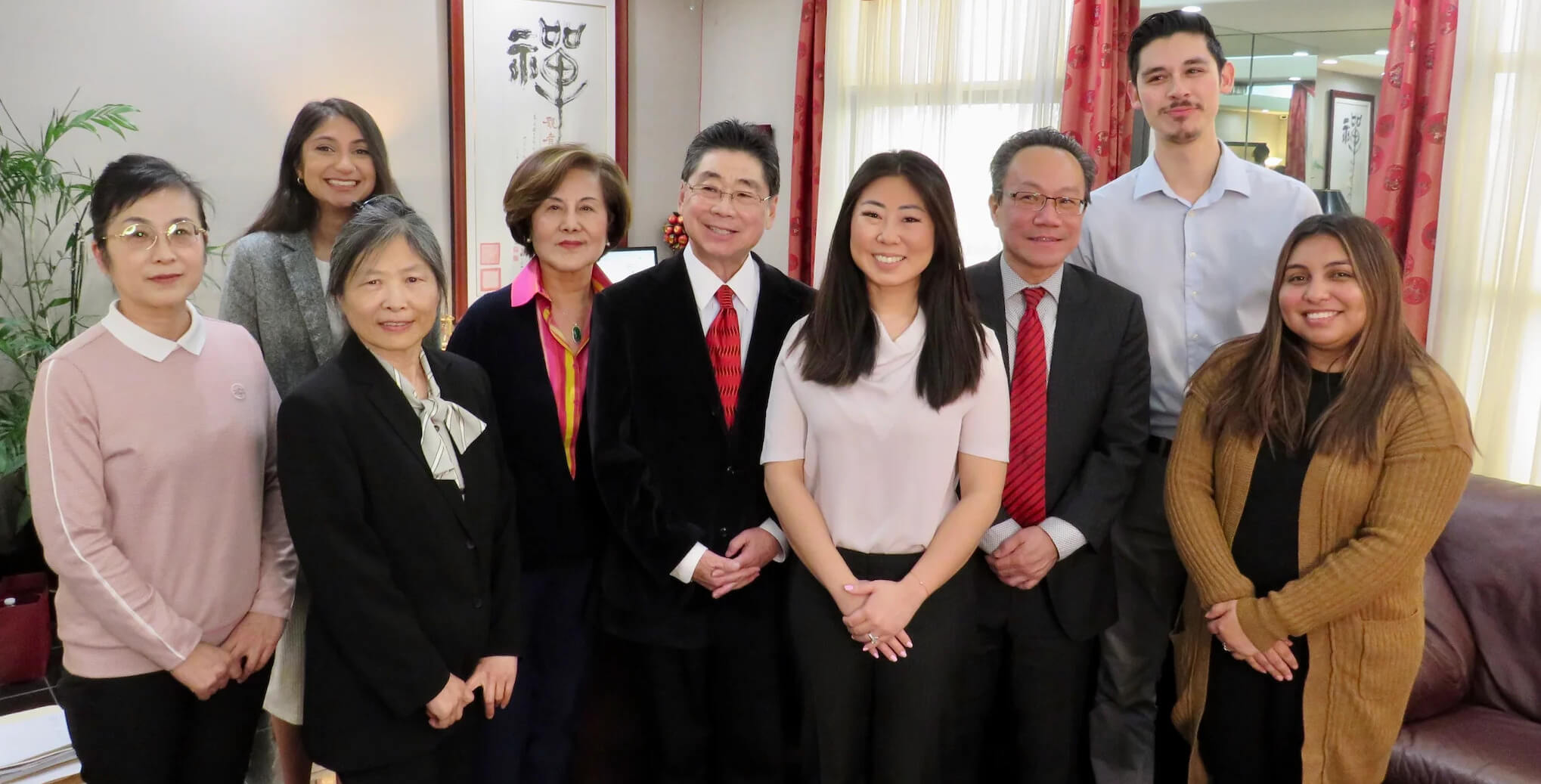
Why Choose Us?
-

Unmatched Expertise
Trust in Peter Chu's 75+ years of collective experience to guide you through complex immigration matters.
-

Tailored Solutions
Our personalized strategies adapt to your unique circumstances, ensuring we meet your specific immigration needs.
-

Proven Success
Benefit from our solid track record in achieving favorable outcomes in various immigration cases across San Diego.
-

Dedicated Service
Experience our client-first approach that ensures constant support and guidance throughout your immigration journey.


Get clear, expert legal guidance tailored to your visa, green card, or citizenship needs.

Inquire now to check if you qualify
Why Fullerton Researchers Choose Specialized EB-1B Counsel Over General Immigration Practitioners
Many immigration attorneys handle family-based petitions, H-1B transfers, and green card applications across all categories — but few specialize in the evidentiary standards unique to EB-1B outstanding researcher classifications. General practitioners may not recognize that USCIS evaluates 'international recognition' differently for researchers in physics versus education, or that citation benchmarks vary significantly across disciplines. Here's the honest answer: an EB-1B petition is won or lost in the evidence narrative — not the form completion. Law office of Peter Darwin Chu focuses exclusively on employment-based immigration, including EB-1A Visa, EB-2 Visa, and EB-3 Visa cases, ensuring every petition is prepared by an attorney who regularly reviews USCIS Policy Manual guidance on researcher classifications.
| Approach | General Immigration Practice | EB-1B Specialized Counsel | Professional Assessment |
|---|---|---|---|
| Evidence strategy | Standard template letters | Field-specific citation analysis, expert letter drafting tailored to your discipline | Discipline-specific evidence wins EB-1B cases |
| University coordination | Limited institutional contact | Direct coordination with HR, international offices, department chairs | Critical for permanent offer documentation |
| RFE response | Generic supplemental evidence | Targeted rebuttal citing USCIS precedent decisions and AAO case law | RFE responses determine approval rates |
| Processing timeline | Passive case monitoring | Proactive premium processing recommendation, tracking, expedite requests when eligible | Timing matters for grant-funded positions |
Frequently Asked Questions
Find answers to common questions about our services
-
Standard USCIS processing time for EB-1B petitions filed at the Nebraska Service Center (which handles California cases) is currently 6 to 12 months. Premium processing is available for an additional $2,805 fee and guarantees a decision within 15 business
-
EB-1B requires employer sponsorship and a permanent job offer from a university or research institution, but you only need to demonstrate recognition within your academic field and meet two of six evidence criteria. EB-1A does not require employer sponsor
-
Yes, H-1B visa holders are eligible to file EB-1B petitions, and doing so does not affect your H-1B status. Because EB-1B is an immigrant petition and H-1B is a nonimmigrant visa, filing the I-140 demonstrates immigrant intent — but H-1B is a dual-intent
-
USCIS interprets 'permanent or indefinite' to mean the position is not limited to a specific end date at the time of filing. Tenure-track faculty positions clearly qualify, but so do research scientist roles, postdoctoral appointments with renewable fundi
-
No, EB-1B petitions are exempt from PERM labor certification requirements, which is one of their major advantages over EB-2 employer-sponsored green cards. PERM requires the employer to test the labor market and demonstrate no qualified US workers are ava
-
USCIS does not publish a specific citation threshold, and the required number varies significantly by field. In computer science or engineering, 150 to 300 citations may be strong; in medicine or life sciences, 500+ is common; in niche humanities fields,
-
Yes, USCIS permits inclusion of all research contributions, including doctoral dissertation work, postdoctoral research, and current faculty or staff scientist work. The three-year experience requirement for EB-1B can be satisfied by doctoral studies if t
-
If your I-140 petition is denied, you may file a motion to reopen or reconsider with USCIS, or you may file a new petition with additional or restructured evidence. Denials are uncommon when the petition is properly prepared, but they occur most often whe
Need Personalized Immigration Guidance?

