
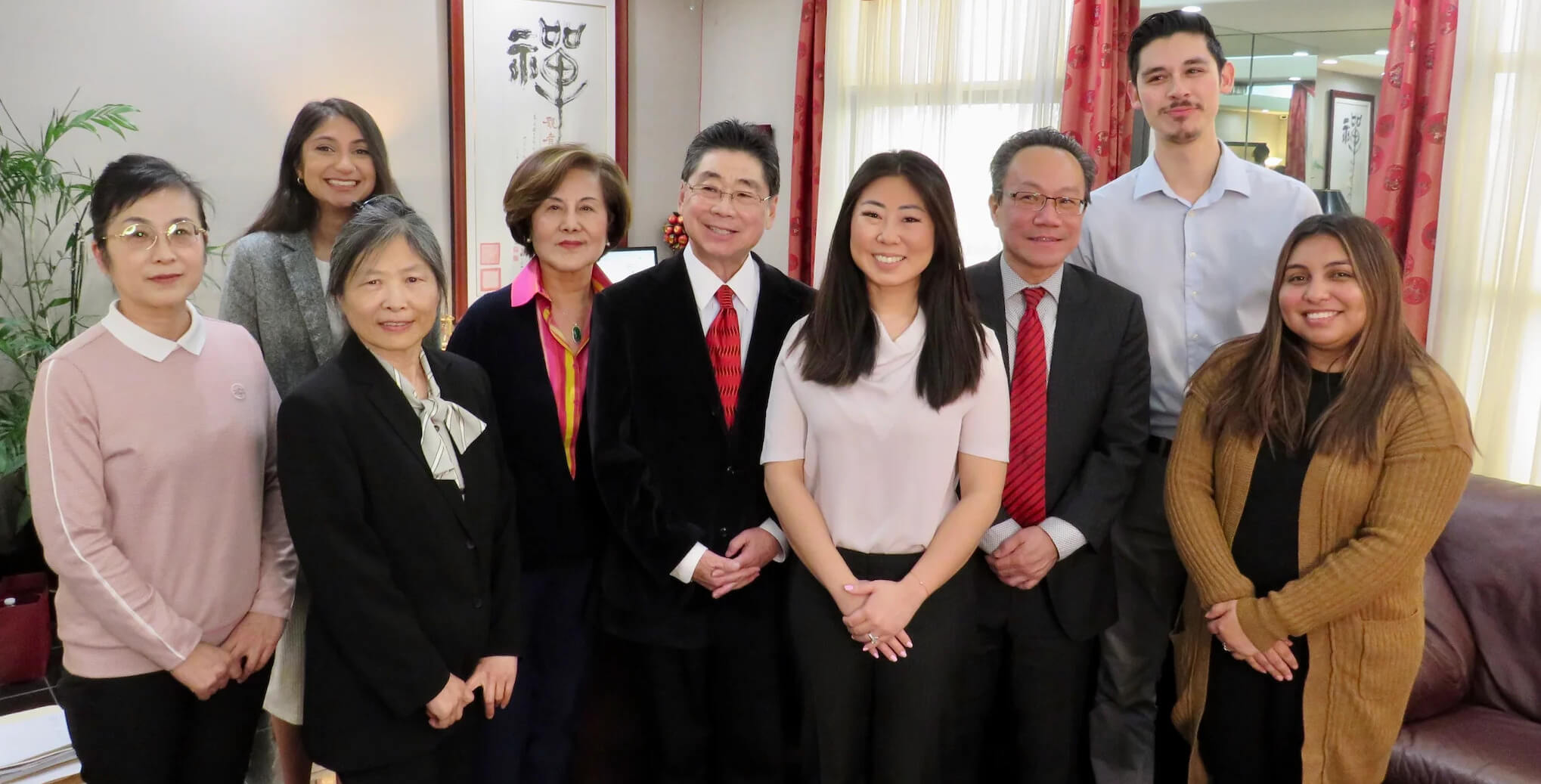
Why Choose Us?
-

Unmatched Expertise
Trust in Peter Chu's 75+ years of collective experience to guide you through complex immigration matters.
-

Tailored Solutions
Our personalized strategies adapt to your unique circumstances, ensuring we meet your specific immigration needs.
-

Proven Success
Benefit from our solid track record in achieving favorable outcomes in various immigration cases across San Diego.
-

Dedicated Service
Experience our client-first approach that ensures constant support and guidance throughout your immigration journey.


Get clear, expert legal guidance tailored to your visa, green card, or citizenship needs.

Inquire now to check if you qualify
How EB-1B Attorney Representation in Glendale Compares to Other Immigration Options
Glendale researchers pursuing permanent residency have several pathways: EB-1B (outstanding researcher), EB-1A (extraordinary ability, self-petitioned), EB-2 NIW (national interest waiver), or employer-sponsored EB-2/EB-3 with PERM labor certification. Here's the honest answer: EB-1B is faster than PERM-based categories by 12–24 months because it bypasses the labor certification process entirely, but it requires a higher evidence threshold than standard EB-2 and a permanent job offer that EB-1A does not. The choice depends on your citation count, field competitiveness, and employer willingness to sponsor.
| Pathway | Processing Time | Job Offer Required | Evidence Standard | Bottom Line |
|---|---|---|---|---|
| EB-1B (Outstanding Researcher) | 4–8 months (I-140 only) | Yes — permanent position | International recognition, 2 of 6 criteria | Fastest employer-sponsored option for researchers with strong publication records |
| EB-1A (Extraordinary Ability) | 4–8 months (self-petition) | No | Extraordinary ability, 3 of 10 criteria | Best for researchers who can self-petition and meet higher threshold |
| EB-2 NIW (National Interest Waiver) | 12–18 months | No | Advanced degree + work benefits U.S. | Slower than EB-1B, but no employer sponsorship required |
| EB-2 with PERM | 24–36 months (includes labor cert) | Yes | Advanced degree or exceptional ability | Longest timeline due to PERM process; lower evidence bar |
Frequently Asked Questions
Find answers to common questions about our services
-
The I-140 petition itself takes 4–8 months for standard processing or 15 days with premium processing (additional $2,500 fee). Once the I-140 is approved, adjustment of status (Form I-485) takes an additional 8–14 months if you are in the U.S., or consula
-
EB-1B legal fees typically range from $8,000–$15,000 depending on case complexity, with additional USCIS filing fees of $700 for the I-140 petition (plus $2,500 for premium processing if requested). Citation analysis, expert opinion letters, and translati
-
Yes, private sector researchers qualify for EB-1B classification as long as the petitioning employer is a university, institution of higher education, or private employer engaged in research and employs at least three full-time researchers. The regulatory
-
An RFE means USCIS needs additional evidence or clarification before approving your petition. You have 87 days from the RFE issue date to respond with supplemental documentation, legal briefs, or clarifying statements from your employer. Common RFE topics
-
No, EB-1B petitions are exempt from the PERM labor certification requirement under INA Section 203(b)(1). This exemption saves 12–18 months compared to EB-2 and EB-3 pathways that require employers to test the U.S. labor market before sponsoring a foreign
-
Yes, your spouse and unmarried children under 21 are eligible for derivative E-14 and E-15 visa status and can file for adjustment of status or consular processing concurrently with your EB-1B-based green card application. They receive the same priority d
-
Both are first-preference employment-based immigrant classifications, but EB-1A is self-petitioned (no employer sponsorship required) and requires extraordinary ability demonstrated by sustained national or international acclaim, while EB-1B requires empl
-
There is no bright-line citation number in the regulations, but as a practical matter, most approved EB-1B cases involve at least 100–200 independent citations, with stronger cases exceeding 500. USCIS evaluates citations in context: your field's citation
Need Personalized Immigration Guidance?

