
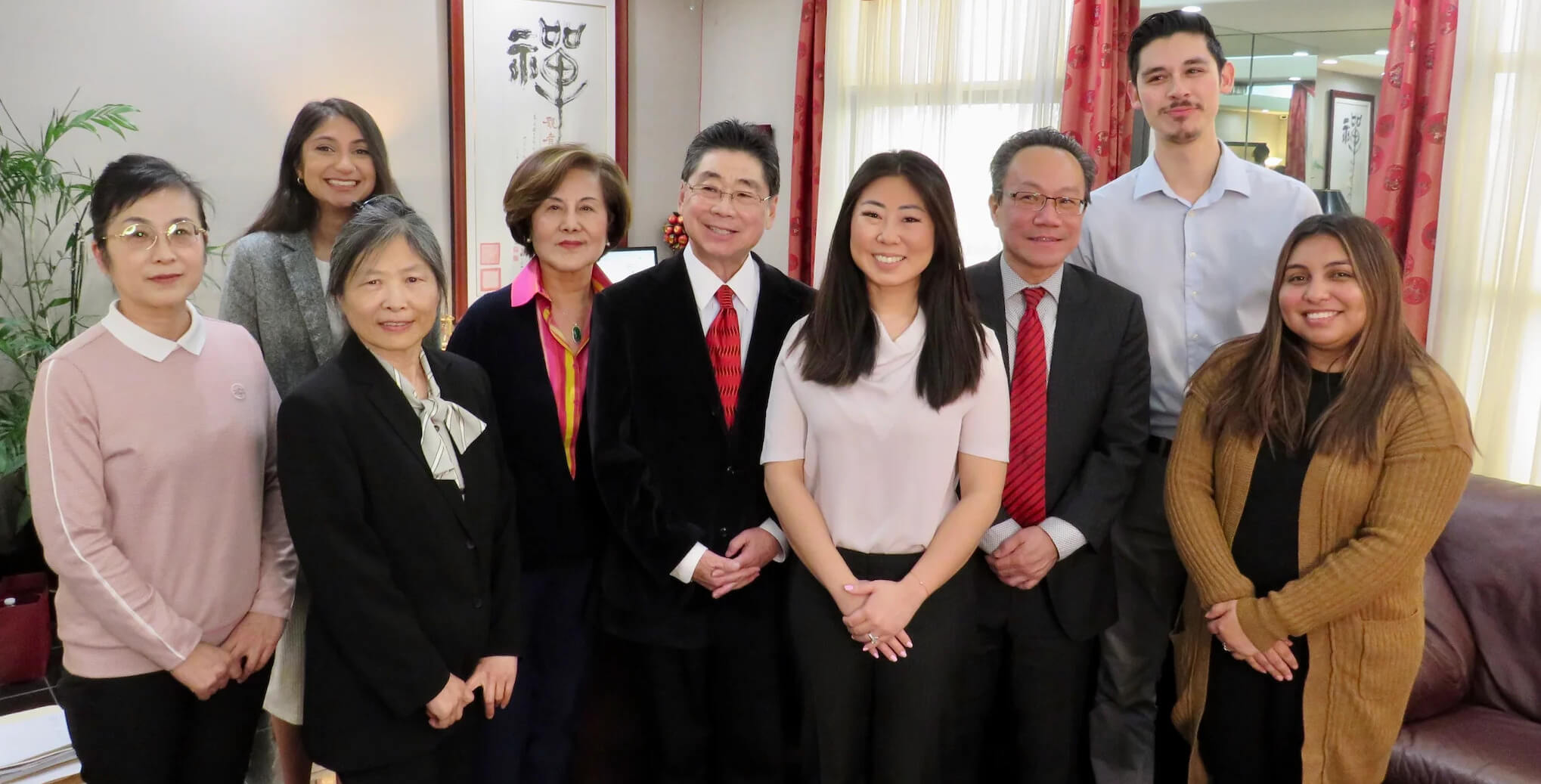
Why Choose Us?
-

Unmatched Expertise
Trust in Peter Chu's 75+ years of collective experience to guide you through complex immigration matters.
-

Tailored Solutions
Our personalized strategies adapt to your unique circumstances, ensuring we meet your specific immigration needs.
-

Proven Success
Benefit from our solid track record in achieving favorable outcomes in various immigration cases across San Diego.
-

Dedicated Service
Experience our client-first approach that ensures constant support and guidance throughout your immigration journey.


Get clear, expert legal guidance tailored to your visa, green card, or citizenship needs.

Inquire now to check if you qualify
Comparing Your EB-1B Petition Options in Lake Forest
Researchers and professors seeking permanent residency face three primary pathways: filing EB-1B (outstanding researcher or professor), EB-1A (extraordinary ability, which does not require a job offer), or EB-2 NIW (National Interest Waiver, which has a lower evidentiary threshold but longer priority date backlogs). Each has trade-offs in terms of evidence requirements, processing time, and cost.
Here's the honest answer: EB-1B is the fastest route to a green card for academic professionals with institutional sponsorship and a strong publication record, but it requires employer involvement and carries a higher evidentiary burden than EB-2 NIW. If your employer is unwilling or unable to sponsor you, EB-1A may be viable — but it requires evidence of sustained national or international acclaim, which typically means awards, high citation counts, and media recognition beyond what EB-1B demands. EB-2 NIW is the fallback for researchers with solid credentials who don't meet the 'outstanding' threshold — but current priority date backlogs for EB-2 (particularly for India and China-born applicants) can add years to the process. Our Lake Forest EB-1B outstanding researcher visa practice evaluates all three pathways in your initial consultation and advises you on which offers the best risk-adjusted timeline.
| Pathway | Evidence Standard | Employer Sponsorship Required? | Current Processing Time | Bottom Line |
|---|---|---|---|
| EB-1B Outstanding Researcher | High — 2 of 6 criteria, 'outstanding' achievement | Yes — permanent job offer required | 6–12 months I-140 + immediate I-485 if in U.S. | Fastest route for sponsored researchers with strong publication records |
| EB-1A Extraordinary Ability | Very High — 3 of 10 criteria, sustained acclaim | No — self-petition allowed | 6–12 months I-140 + immediate I-485 | Best for independent researchers, requires exceptional visibility |
| EB-2 NIW National Interest Waiver | Moderate — advanced degree + work benefits U.S. | No — self-petition allowed | 12–18 months I-140 + priority date wait (0–5+ years depending on country) | Lower bar, but backlogs add years for applicants from India/China |
| EB-2 PERM (standard labor certification) | Moderate — advanced degree | Yes — requires PERM labor certification (adds 12+ months) | 24–36 months total + priority date wait | Slowest option, avoid unless EB-1B/NIW not viable |
Frequently Asked Questions
Find answers to common questions about our services
-
USCIS processing times for Form I-140 EB-1B petitions currently average 6–12 months at the Nebraska Service Center and Texas Service Center, the two facilities that handle most employment-based petitions. Premium processing (Form I-907) is available for a
-
Yes — your spouse and unmarried children under age 21 are eligible for derivative EB-1 status and can be included in your adjustment of status application (Form I-485) or immigrant visa application at the consulate. Derivative beneficiaries receive the sa
-
Attorney fees for EB-1B representation typically range from $8,000 to $15,000 depending on case complexity, the volume of evidence requiring compilation, and whether an RFE response is needed. This fee generally covers I-140 petition preparation, expert l
-
No — the EB-1B category requires 'at least three years of experience in teaching or research' in your academic field, not a specific degree. While most successful EB-1B petitioners hold a PhD or terminal degree in their discipline, the regulation focuses
-
Yes — you have three options following an EB-1B denial. First, you can file a Motion to Reopen or Motion to Reconsider with the same USCIS office that issued the denial, arguing that the officer misapplied the law or overlooked critical evidence — this mu
-
The EB-1B category is available to both academic institutions and private employers, provided the employer can demonstrate a history of research achievement and the job offer is for a permanent research position. USCIS requires that private employers subm
-
EB-1B (outstanding researcher or professor) requires employer sponsorship and a permanent job offer, while EB-1A (extraordinary ability) is a self-petition that does not require a job offer but demands a higher evidentiary standard — evidence of sustained
-
EB-1B requires employer sponsorship, a permanent job offer, and evidence of 'outstanding' achievement under two of six specific criteria. EB-2 NIW (National Interest Waiver) does not require employer sponsorship or a job offer — it is a self-petition — bu
Need Personalized Immigration Guidance?

