
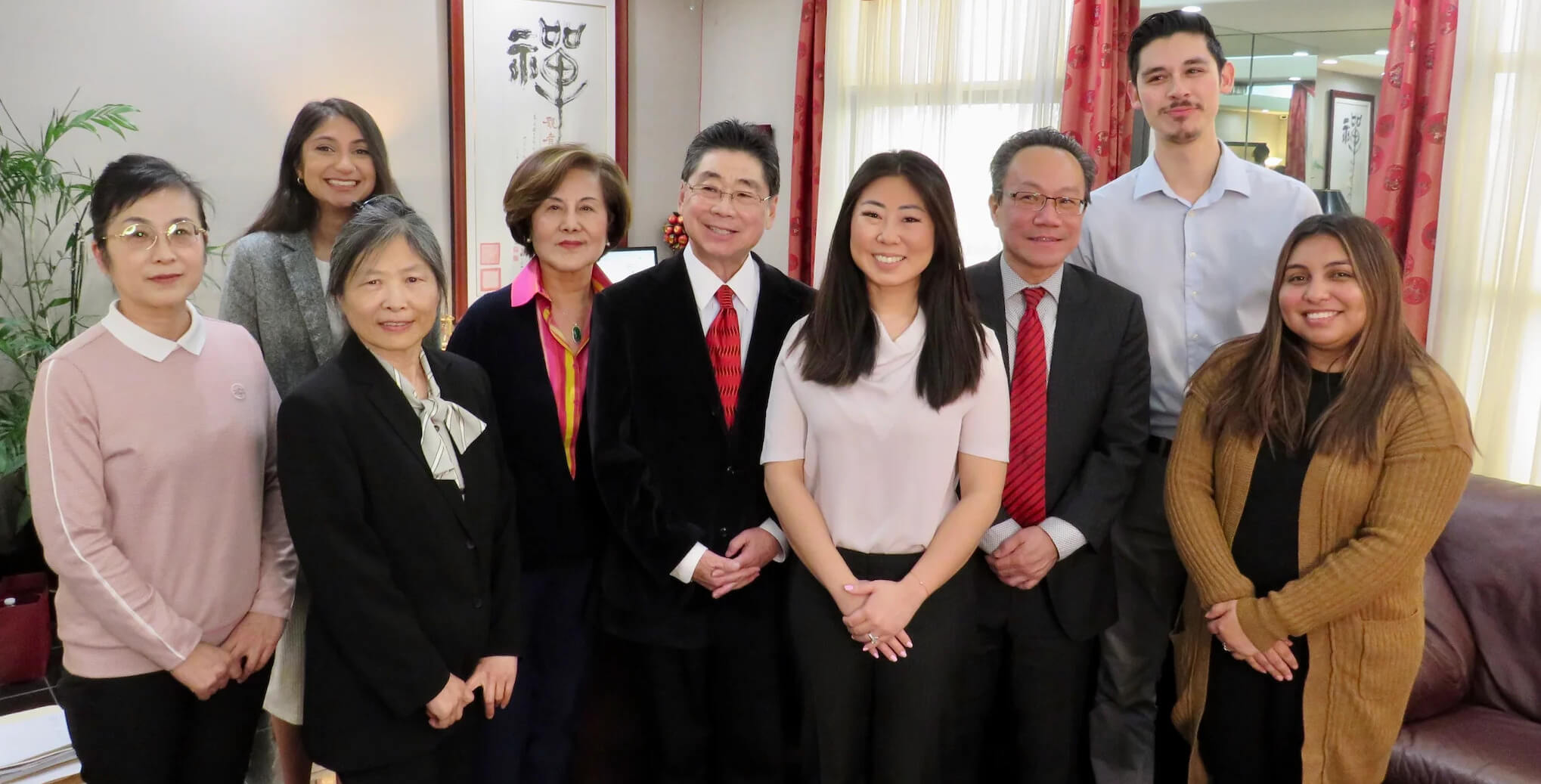
Why Choose Us?
-

Unmatched Expertise
Trust in Peter Chu's 75+ years of collective experience to guide you through complex immigration matters.
-

Tailored Solutions
Our personalized strategies adapt to your unique circumstances, ensuring we meet your specific immigration needs.
-

Proven Success
Benefit from our solid track record in achieving favorable outcomes in various immigration cases across San Diego.
-

Dedicated Service
Experience our client-first approach that ensures constant support and guidance throughout your immigration journey.


Get clear, expert legal guidance tailored to your visa, green card, or citizenship needs.

Inquire now to check if you qualify
Why Los Altos Researchers Choose Dedicated EB-1B Counsel Over General Immigration Firms
Los Altos researchers evaluating EB-1B representation face three paths: general-practice immigration firms handling all visa categories, corporate immigration departments embedded within large law firms, or specialized practices focused on employment-based extraordinary ability classifications. General firms often apply EB-2 NIW templates to EB-1B cases — overlooking the critical difference that EB-1B requires employer sponsorship and a permanent research position, not self-petition eligibility. Corporate immigration teams may prioritize the employer's risk mitigation over your individual case strategy, particularly when RFE responses require arguing that the petitioner's contributions exceed those of other researchers the company has sponsored.
Here's the honest answer: EB-1B approval depends on positioning your research contributions within the specific evidentiary framework that USCIS applies to 8 CFR 204.5(i) petitions — a framework that differs substantively from O-1, EB-1A, and NIW standards despite surface similarities. The 'outstanding researcher' classification is not a credential you possess but a legal conclusion drawn from evidence that satisfies a two-part regulatory test. Attorneys who primarily handle family-based immigration or H-1B extensions often lack familiarity with the Kazarian two-step analysis, the Matter of Chawathe expert letter standards, and the field-specific citation benchmarks that adjudicators apply to academic versus industry researchers.
| Consideration | General Immigration Firm | Corporate In-House Counsel | Specialized EB-1B Practice | Professional Assessment |
|---|---|---|---|---|
| EB-1B-specific case volume | Low — handles all visa types | Moderate — employer-driven priorities | High — focused practice area | Specialized practices develop pattern recognition for what evidence USCIS actually credits in outstanding researcher adjudications |
| Expert letter coordination | Often delegated to client | Limited — relies on employer's network | Attorney-guided expert selection and letter content | Expert letters fail when they recite credentials rather than explain 'major significance' — specialized counsel structures the narrative |
| Private-sector employer qualification | Standard employer letter template | Strong on organizational documentation | Field-specific comparable position arguments | Startups and non-academic employers require tailored evidence that general templates don't address |
| RFE response strategy | Generic 'more evidence' approach | Risk-averse — may recommend withdrawal | Targeted legal arguments with supplemental evidence | RFEs often question field-relative standards — effective responses argue legal interpretation, not just add documents |
Frequently Asked Questions
Find answers to common questions about our services
-
EB-1B processing time in Los Altos depends on the USCIS service center handling your case and whether you file with premium processing. Standard I-140 processing at California Service Center currently averages 6–8 months, while premium processing (Form I-
-
There is no fixed citation threshold for EB-1B — USCIS evaluates citations relative to your field, career stage, and publication venues. A Los Altos machine learning researcher with 200 citations over five years may exceed field norms if those citations c
-
Yes, but with caveats. EB-1B requires that you already hold a permanent or tenure-track research position — not a postdoctoral fellowship or OPT temporary employment. If your Los Altos employer is willing to sponsor you for a permanent research role (docu
-
A permanent research position under 8 CFR 204.5(i)(3)(iii) is employment with no fixed end date — contrasting with postdoctoral fellowships, visiting researcher roles, or grant-funded positions limited to the grant period. Los Altos private-sector researc
-
Your employer must offer a permanent research position in the U.S., but it doesn't have to be physically located in Los Altos. If your sponsoring employer is headquartered in San Francisco but you'll conduct research at their Los Altos facility, that qual
-
Yes — an EB-1B denial is not a permanent bar to refiling. Most denials result from insufficient evidence of 'international recognition' or failure to document that the position qualifies as permanent research employment, not from fundamental ineligibility
-
Yes — EB-1B approval allows your spouse and unmarried children under 21 to apply for derivative E-14 and E-15 immigrant visas (or adjust status if already in the U.S.). Derivative beneficiaries receive green cards simultaneously with the principal applica
-
EB-1B requires employer sponsorship and a permanent research position but has no backlog and a lower evidentiary bar than EB-1A extraordinary ability classification. EB-2 NIW allows self-petition without employer sponsorship but typically has 1–3 year vis
Need Personalized Immigration Guidance?

