
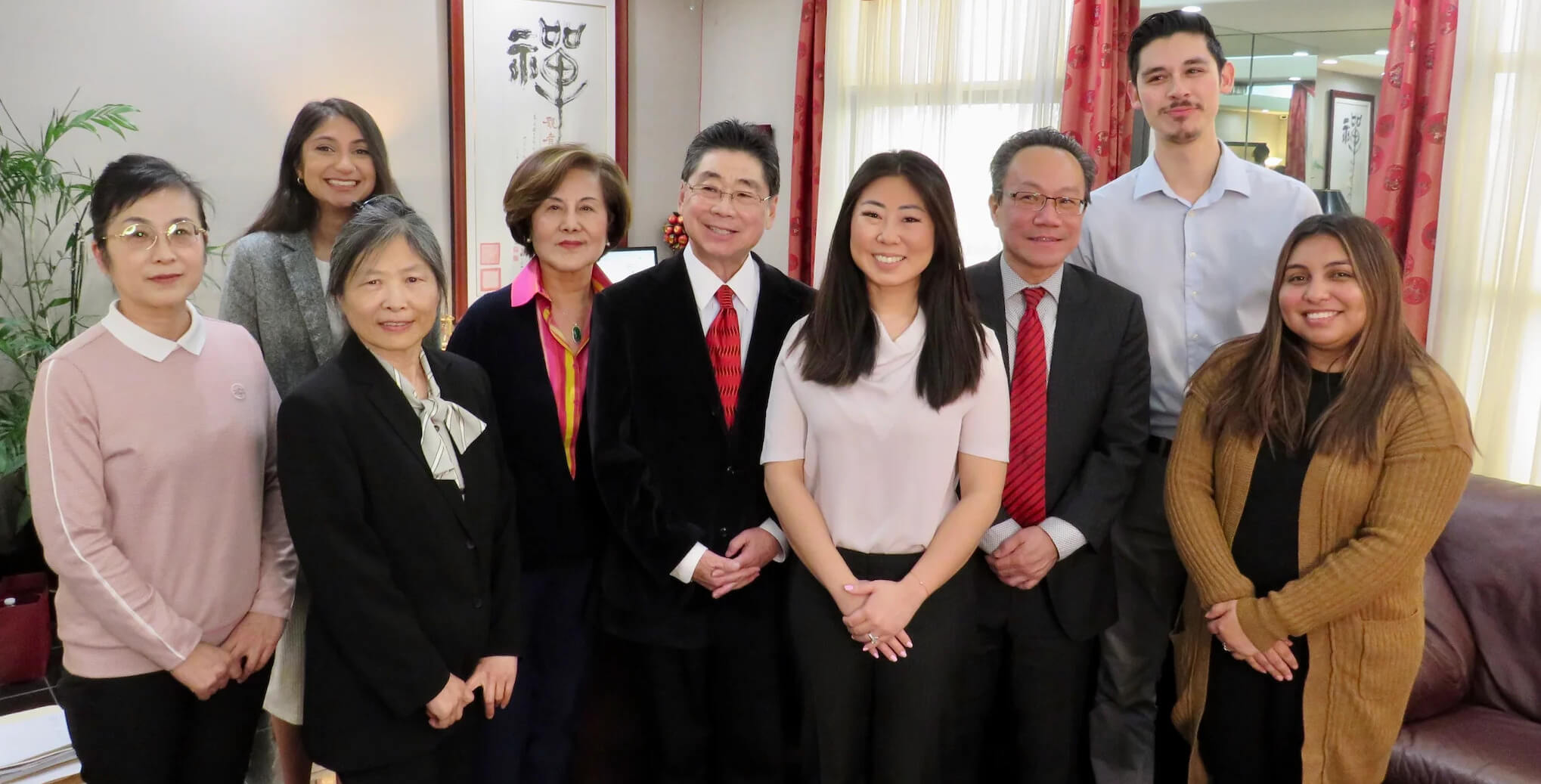
Why Choose Us?
-

Unmatched Expertise
Trust in Peter Chu's 75+ years of collective experience to guide you through complex immigration matters.
-

Tailored Solutions
Our personalized strategies adapt to your unique circumstances, ensuring we meet your specific immigration needs.
-

Proven Success
Benefit from our solid track record in achieving favorable outcomes in various immigration cases across San Diego.
-

Dedicated Service
Experience our client-first approach that ensures constant support and guidance throughout your immigration journey.


Get clear, expert legal guidance tailored to your visa, green card, or citizenship needs.

Inquire now to check if you qualify
Comparing EB-1B Representation Options in Pico Rivera
Researchers pursuing EB-1B classification face three primary options: self-filing without legal representation, hiring a general immigration attorney unfamiliar with employment-based first preference standards, or working with a firm experienced in EB-1B adjudication patterns. Here's the honest answer: USCIS evaluates EB-1B petitions against a higher evidentiary standard than any other employment-based category — the bar is "international recognition," not simply "advanced degree" or "exceptional ability." Self-filed petitions frequently fail because applicants misinterpret what constitutes sufficient evidence of acclaim or submit generic institutional letters that don't address USCIS's regulatory framework. General immigration practitioners often treat EB-1B as a documentation assembly exercise rather than a persuasive legal argument requiring expert witness coordination and citation impact analysis.
| Approach | Evidence Strategy | Expert Letters | USCIS Precedent Knowledge | Professional Assessment |
|---|---|---|---|---|
| Self-Filing | Applicant assembles own documents | Generic letters from colleagues | Limited — relies on USCIS instructions | High RFE risk; minimal persuasive structure |
| General Immigration Firm | Standard checklist approach | Often insufficient detail | Basic regulatory familiarity | Inconsistent outcomes; may lack EB-1B specialization |
| Law Office of Peter Darwin Chu | Criterion-specific evidentiary mapping | Independent scholars with citation analysis | Active tracking of AAO decisions | Comprehensive petition architecture; direct RFE response experience |
| Large Corporate Firm | High billable hours | May outsource to junior staff | Varies by assigned attorney | Expensive; less personalized researcher interaction |
Frequently Asked Questions
Find answers to common questions about our services
-
Without premium processing, USCIS currently adjudicates EB-1B I-140 petitions in 6–10 months depending on service center workload. With premium processing (Form I-907 and $2,805 fee), you receive a decision within 15 business days. After I-140 approval, a
-
The I-140 petition filing fee is $715 as of 2026. Premium processing adds $2,805 if you elect 15-day adjudication. After I-140 approval, adjustment of status (Form I-485) costs $1,440 per applicant plus biometrics fees. Legal fees vary by case complexity
-
No. EB-1B requires a formal job offer for permanent employment — the petition cannot be filed based on a prospective or contingent offer. Your employer must provide a detailed letter confirming the permanent nature of the position, your specific research
-
USCIS regulations require at least two of six criteria: authorship of scholarly articles, original research contributions of major significance, peer review or editorial service, membership in associations requiring outstanding achievement, awards for exc
-
EB-1B does not require PERM labor certification — a significant advantage over EB-2 and EB-3 pathways that adds 12–18 months to the process. Your employer must file the I-140 petition on your behalf (self-petitioning is not permitted), but they avoid the
-
Yes. Your spouse and unmarried children under 21 qualify as derivative beneficiaries under EB-1 classification. They receive the same priority date and can apply for adjustment of status or immigrant visas concurrently with your case. Law office of Peter
-
Yes. A denial does not permanently bar refiling, but Law office of Peter Darwin Chu carefully reviews the denial notice to understand USCIS's specific objections before attempting a second petition. Common denial reasons include insufficient evidence of i
-
Both are first-preference employment-based categories, but EB-1A requires proof of sustained national or international acclaim at the very top of your field and allows self-petitioning, while EB-1B requires employer sponsorship, a permanent job offer, and
Need Personalized Immigration Guidance?

