
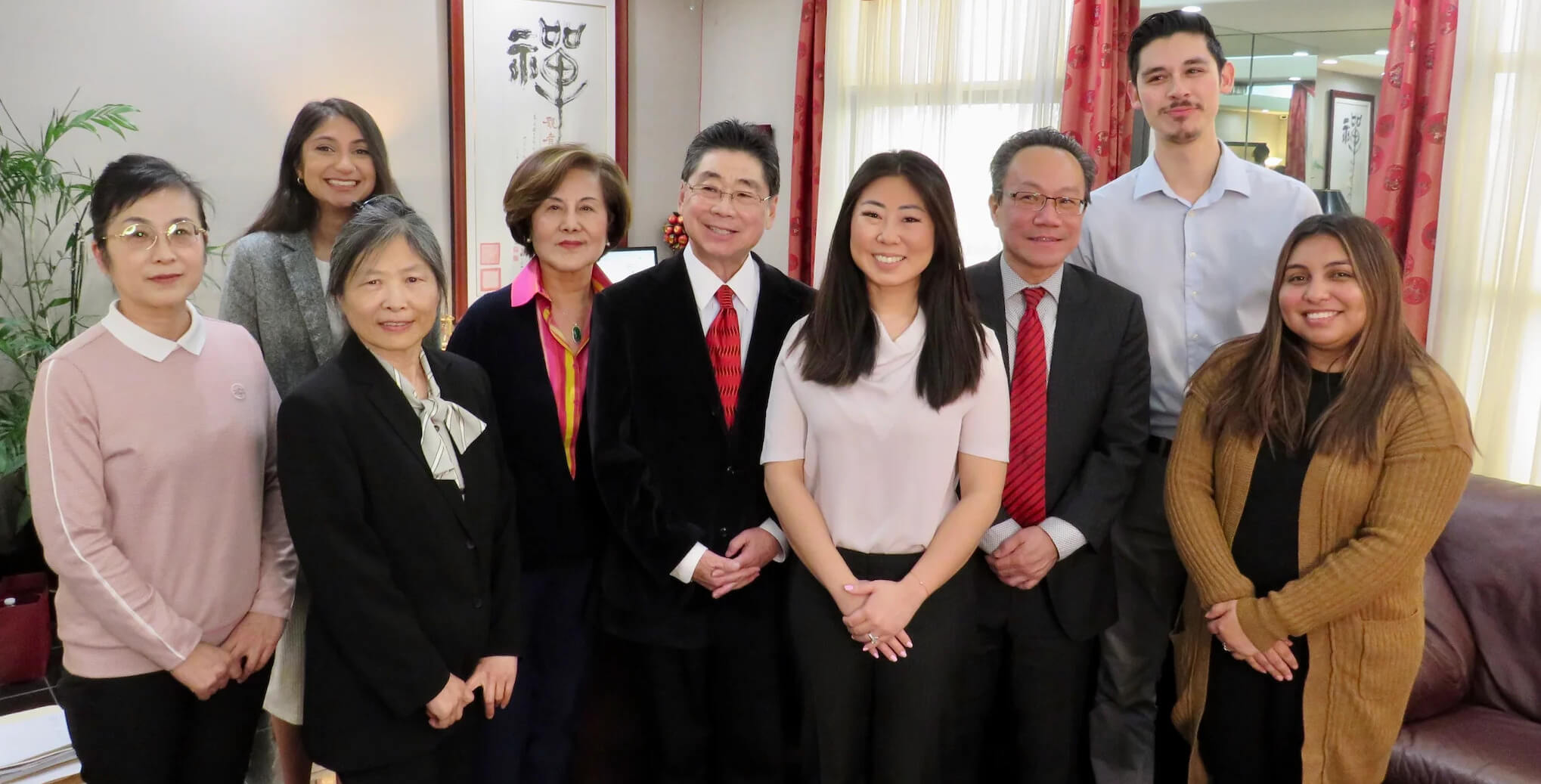
Why Choose Us?
-

Unmatched Expertise
Trust in Peter Chu's 75+ years of collective experience to guide you through complex immigration matters.
-

Tailored Solutions
Our personalized strategies adapt to your unique circumstances, ensuring we meet your specific immigration needs.
-

Proven Success
Benefit from our solid track record in achieving favorable outcomes in various immigration cases across San Diego.
-

Dedicated Service
Experience our client-first approach that ensures constant support and guidance throughout your immigration journey.


Get clear, expert legal guidance tailored to your visa, green card, or citizenship needs.

Inquire now to check if you qualify
EB-1B Attorney Riverside vs. Other Immigration Options
Riverside researchers seeking employment-based permanent residence face three primary paths: EB-1B (outstanding researcher), EB-2 NIW (National Interest Waiver), and EB-2/EB-3 with PERM labor certification. Here's the honest answer: EB-1B is faster and does not require labor certification, but it imposes the highest evidentiary standard — international recognition as outstanding in your field. EB-2 NIW also waives labor certification and may be more accessible to early-career researchers, but it requires demonstrating that your work is in the U.S. national interest. PERM-based EB-2/EB-3 requires your employer to test the U.S. labor market, adding 12–18 months to the process and creating recruitment compliance obligations.
| Path | Employer Required? | Labor Cert Required? | Evidence Standard | Professional Assessment |
|---|---|---|---|---|
| EB-1B | Yes — must file petition | No | International recognition (high) | Best for established researchers with strong publication/citation records |
| EB-2 NIW | No — self-petition | No | National interest (moderate) | Best for early-career researchers and those without employer sponsorship |
| EB-2/EB-3 PERM | Yes — must sponsor | Yes — 12–18 months | Job requirements (low) | Slowest path but accessible to most positions |
| EB-1A | No — self-petition | No | Extraordinary ability (highest) | Rarely used by academic researchers — designed for top-tier internationally recognized experts |
Frequently Asked Questions
Find answers to common questions about our services
-
EB-1B petition processing at USCIS California Service Center currently averages 6–9 months for standard processing, though premium processing (15-day adjudication) is available for an additional $2,805 filing fee. After I-140 approval, adjustment of statu
-
EB-1B legal fees vary by case complexity but typically range from $8,000 to $15,000 for petition preparation, evidence review, and employer coordination. This does not include USCIS filing fees ($700 for I-140, optional $2,805 for premium processing, $1,4
-
Yes — the EB-1B classification does not require you to physically work in the state where your attorney practices or where USCIS processes the petition. Your employer's location and the job offer's work location are what matter. If your employer is a qual
-
You must satisfy at least two of six regulatory criteria: receipt of major prizes or awards for outstanding achievement, membership in associations requiring outstanding achievements, published material about your work in professional publications, partic
-
No — EB-1B sponsorship is not automatic for all faculty positions. UC Riverside (and other University of California campuses) typically sponsor EB-1B petitions for tenure-track faculty and permanent research positions, but the decision is made by the hiri
-
Yes — an EB-1B denial is not a permanent bar to refiling, though you must address the specific deficiencies identified in the denial notice. Common denial reasons include insufficient evidence of international recognition, failure to demonstrate a permane
-
Changing employers after I-140 approval but before adjustment of status approval is complex and depends on the portability provisions of AC21 § 106(c). If your I-485 adjustment application has been pending for 180 days or more, you may port to a same or s
-
EB-1B is an immigrant (permanent residence) classification, while H-1B is a temporary nonimmigrant work visa — they serve different purposes and are not directly comparable. Many researchers enter the U.S. on H-1B and later pursue EB-1B for permanent resi
Need Personalized Immigration Guidance?

