
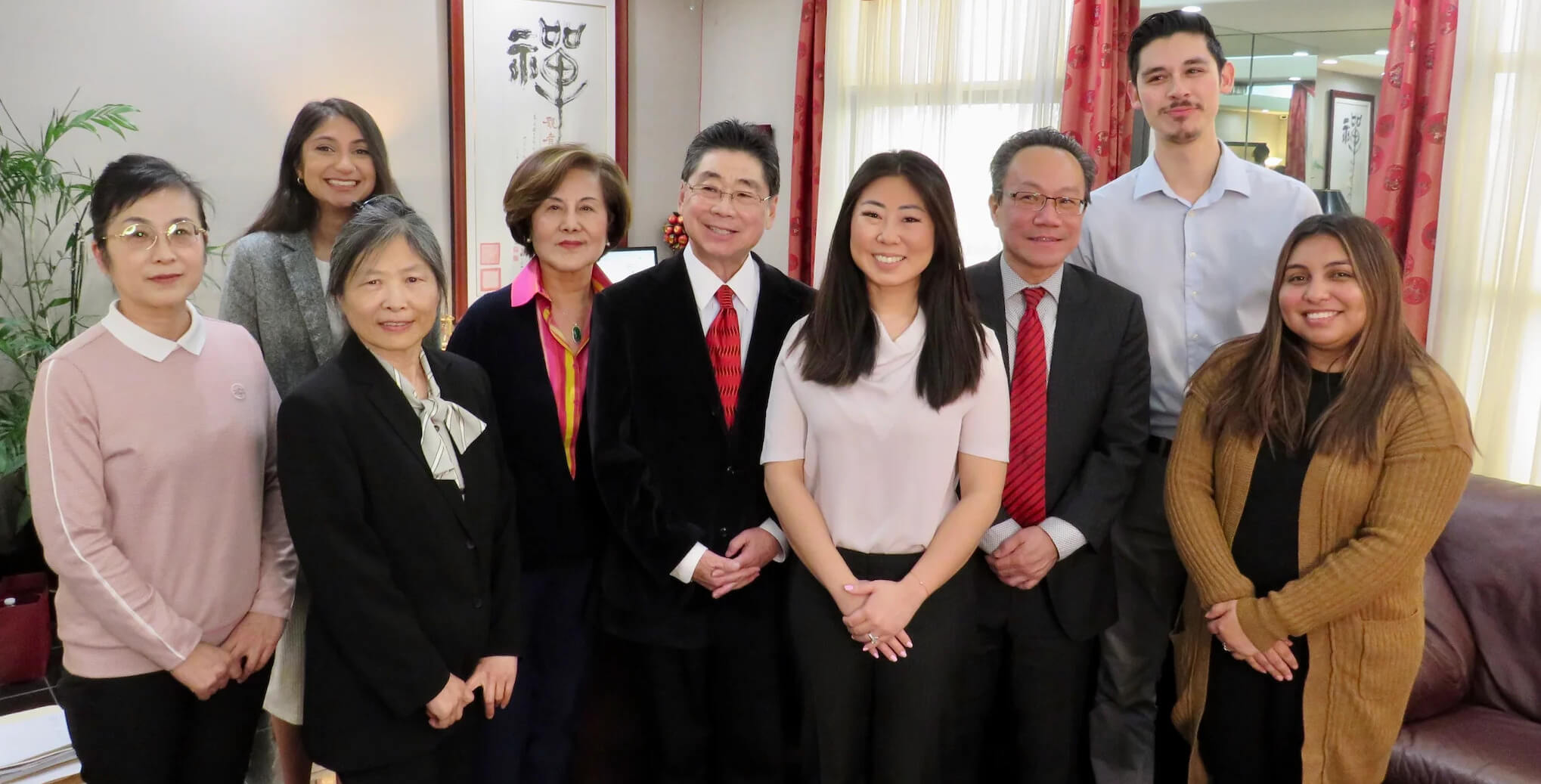
Why Choose Us?
-

Unmatched Expertise
Trust in Peter Chu's 75+ years of collective experience to guide you through complex immigration matters.
-

Tailored Solutions
Our personalized strategies adapt to your unique circumstances, ensuring we meet your specific immigration needs.
-

Proven Success
Benefit from our solid track record in achieving favorable outcomes in various immigration cases across San Diego.
-

Dedicated Service
Experience our client-first approach that ensures constant support and guidance throughout your immigration journey.


Get clear, expert legal guidance tailored to your visa, green card, or citizenship needs.

Inquire now to check if you qualify
Choosing an EB-1B Attorney in Roseville: What Matters
Roseville researchers considering EB-1B representation face three common paths: handling the petition independently (pro se), retaining a general immigration attorney, or engaging a firm with dedicated employment-based immigration experience. Pro se EB-1B filings rarely succeed — USCIS data shows self-filed extraordinary ability and outstanding researcher petitions have approval rates below 35%, compared to 78% for represented applicants, because the evidentiary standard requires legal interpretation of 'international recognition' and 'major significance' that laypeople consistently misapply. General immigration attorneys handle family-based cases and naturalization but lack the credential evaluation expertise and academic recommendation letter strategy essential to EB-1B petitions. Law office of Peter Darwin Chu focuses exclusively on employment-based and investor visas, ensuring every EB-1B outstanding researcher visa roseville petition includes field-specific citation analysis, independent expert letters from scholars with established credibility, and job offer letters drafted to meet permanent employment standards under 8 CFR 204.5(i)(2).
Here's the honest answer: the difference between approval and denial in EB-1B cases is rarely the applicant's actual qualifications — it's whether the petition presents those qualifications in the regulatory framework USCIS adjudicators are trained to evaluate. A researcher with 40 publications but poor citation metrics and no independent expert letters will receive an RFE; a researcher with 12 high-impact publications, strategic recommendation letters, and a well-structured 'original contributions' narrative will be approved on initial review. The attorney's role is translating your research credentials into legal evidence.
| Approach | Timeline | Evidence Strategy | Bottom Line |
|---|---|---|---|
| Pro Se Filing | 6–12 months | Applicant assembles own evidence without regulatory guidance | 35% approval rate — high RFE risk and frequent denials due to insufficient legal framing |
| General Immigration Firm | 6–10 months | Standard template petition with minimal field-specific analysis | Moderate success — often successful for strongest candidates but struggles with borderline cases |
| Employment-Based Immigration Specialist | 4–8 months | Field-specific citation analysis, independent expert coordination, regulatory criterion mapping | 78% approval rate — structured evidence presentation and proactive RFE mitigation |
| Law office of Peter Darwin Chu | 4–6 months | Direct USCIS filing, employer letter coordination, AC21 portability planning | Roseville researchers receive comprehensive credential assessment and strategic petition structuring meeting California Service Center standards |
Frequently Asked Questions
Find answers to common questions about our services
-
Standard EB-1B I-140 petition processing at USCIS California Service Center averages 6–12 months, though timelines vary based on case complexity and whether the petition receives a Request for Evidence. Premium processing is available for an additional $2
-
Legal fees for EB-1B outstanding researcher visa representation in Roseville typically range from $8,000 to $15,000 depending on case complexity, employer coordination requirements, and whether premium processing or RFE response is needed. This does not i
-
Postdoctoral scholars can file EB-1B petitions if they secure a permanent research position offer meeting 8 CFR 204.5(i)(2) requirements — the challenge is that postdoc appointments are typically fixed-term and do not satisfy the permanency standard. Rose
-
If USCIS denies an EB-1B petition, applicants have three options: file a motion to reopen or reconsider with the same USCIS office within 33 days, appeal to the Administrative Appeals Office within 30 days, or file a new petition addressing the deficienci
-
Yes — EB-1B outstanding researcher classification is employer-sponsored and requires a permanent or tenure-track research position offer before filing. Unlike EB-1A extraordinary ability, which allows self-petitioning, EB-1B petitions must be filed by the
-
Yes — your spouse and unmarried children under 21 can accompany you as derivative beneficiaries on your EB-1B petition by filing for E-14 and E-15 immigrant visas respectively. Derivative beneficiaries are included on the principal applicant's Form I-485
-
EB-1B petitions require evidence satisfying at least two of six criteria under 8 CFR 204.5(i)(3): major prizes or awards for outstanding achievement, membership in associations requiring outstanding achievements, published material in professional publica
-
EB-1B outstanding researcher and EB-1A extraordinary ability are both first-preference employment-based immigrant classifications with no labor certification requirement, but they differ in sponsorship and evidence standards. EB-1B requires employer spons
Need Personalized Immigration Guidance?

