
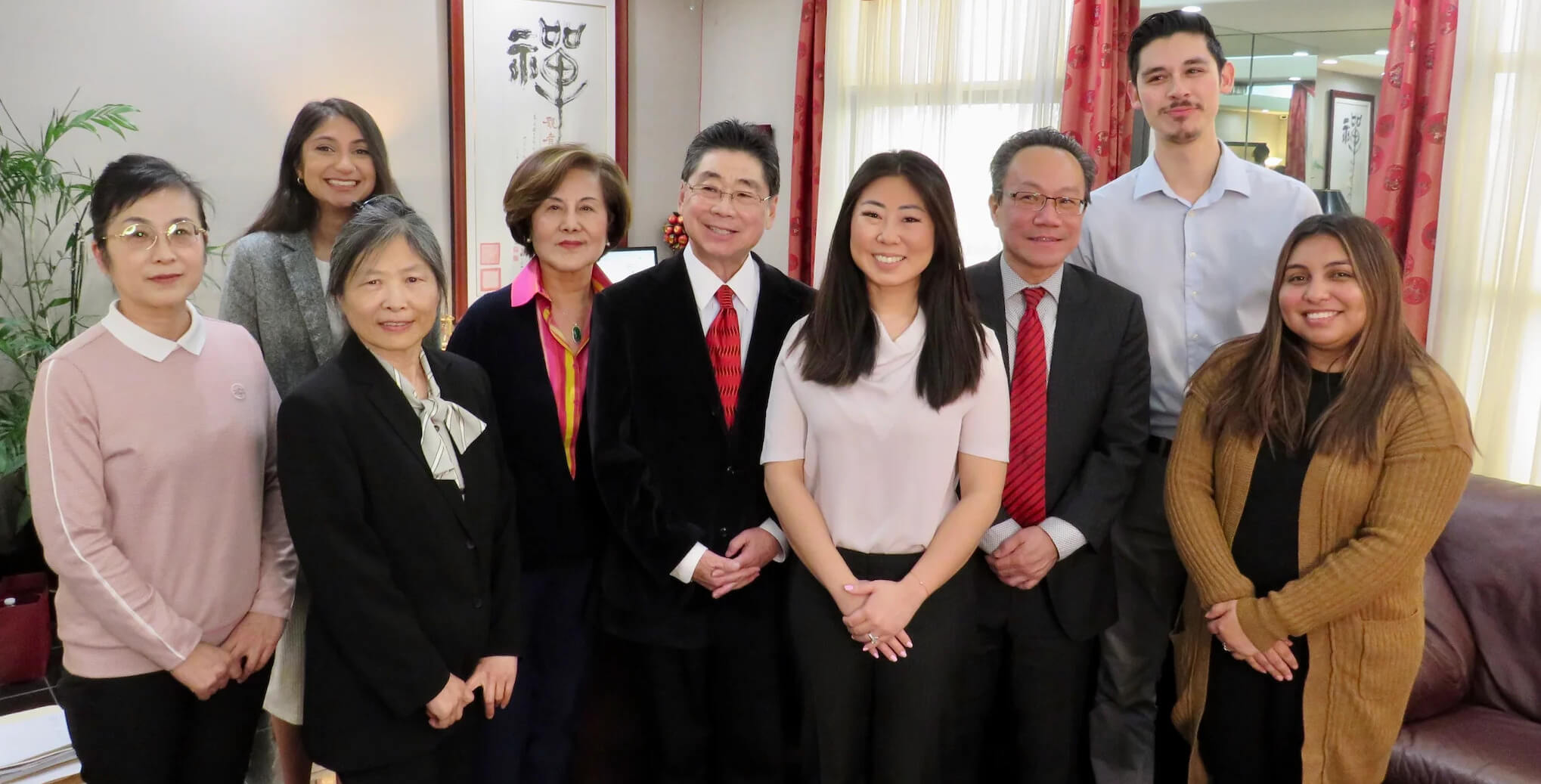
Why Choose Us?
-

Unmatched Expertise
Trust in Peter Chu's 75+ years of collective experience to guide you through complex immigration matters.
-

Tailored Solutions
Our personalized strategies adapt to your unique circumstances, ensuring we meet your specific immigration needs.
-

Proven Success
Benefit from our solid track record in achieving favorable outcomes in various immigration cases across San Diego.
-

Dedicated Service
Experience our client-first approach that ensures constant support and guidance throughout your immigration journey.


Get clear, expert legal guidance tailored to your visa, green card, or citizenship needs.

Inquire now to check if you qualify
Choosing Between Self-Filing, University Counsel, or Independent EB-1B Attorney San Francisco Representation
Many San Francisco researchers face three options: filing the I-140 petition themselves using university templates, relying entirely on university in-house immigration counsel, or retaining independent immigration attorney representation. Here's the honest answer: university counsel are constrained by institutional policies that prioritize risk avoidance over maximizing approval odds — they may decline to file cases with citation counts below internal thresholds or refuse to include certain types of evidence their office considers non-standard. Independent EB-1B attorney San Francisco counsel can build petitions around your specific evidence profile without institutional approval layers, include expert declarations university counsel won't coordinate, and respond to RFEs without waiting for committee review. Self-filing is viable only if you have prior USCIS filing experience and access to successful petition examples in your exact field.
| Filing Option | Evidence Flexibility | RFE Response Time | Professional Assessment |
|---|---|---|---|
| Self-Filing | Full control but no regulatory expertise | Immediate but often incomplete | Viable only for researchers with prior USCIS experience |
| University In-House Counsel | Limited by institutional templates | Delayed by committee review cycles | Appropriate for straightforward cases meeting all internal thresholds |
| Independent Immigration Attorney | Customized to your evidence profile | Drafted within 2-3 weeks | Best for borderline cases, RFE responses, or citation counts below university minimums |
Frequently Asked Questions
Find answers to common questions about our services
-
Standard I-140 processing through USCIS California Service Center averages 6-9 months as of 2026, though premium processing (15-day adjudication for an additional $2,805 fee) is available for EB-1B petitions. Once the I-140 is approved, San Francisco rese
-
EB-1A extraordinary ability petitions require no employer sponsorship and use a ten-criterion framework under 8 CFR 204.5(h), while EB-1B outstanding researcher petitions require a permanent job offer and use a six-criterion framework under 8 CFR 204.5(i)
-
Yes, if the postdoctoral position is documented as permanent or indefinite rather than a fixed-term training appointment. USCIS requires that EB-1B job offers be for ongoing research roles, not temporary training positions. Many San Francisco universities
-
There is no fixed publication count — USCIS evaluates sustained acclaim based on the combination of authored papers, independent citations, journal impact factors, and field-specific norms. In biomedical fields, 8-12 peer-reviewed publications with 80-150
-
Some universities and private research employers limit sponsorship to EB-2 PERM labor certification due to HR policies or legal budget constraints. If your evidence profile qualifies for EB-1B, you can file a self-sponsored EB-1A petition without employer
-
University counsel are valuable for straightforward cases, but independent representation becomes critical if your citation count is below institutional minimums, if you've received an RFE, or if you're filing outside a traditional academic department. La
-
Yes — co-authored publications count toward the scholarly articles criterion under 8 CFR 204.5(i)(3)(i)(F), and USCIS does not penalize multi-author papers. However, the petition must demonstrate your specific research contributions through author positio
-
Denied I-140 petitions can be appealed to the USCIS Administrative Appeals Office (AAO) within 30 days or refiled with additional evidence addressing the denial reasons. Law Office of Peter Darwin Chu advises San Francisco researchers on whether appeal or
Need Personalized Immigration Guidance?

