
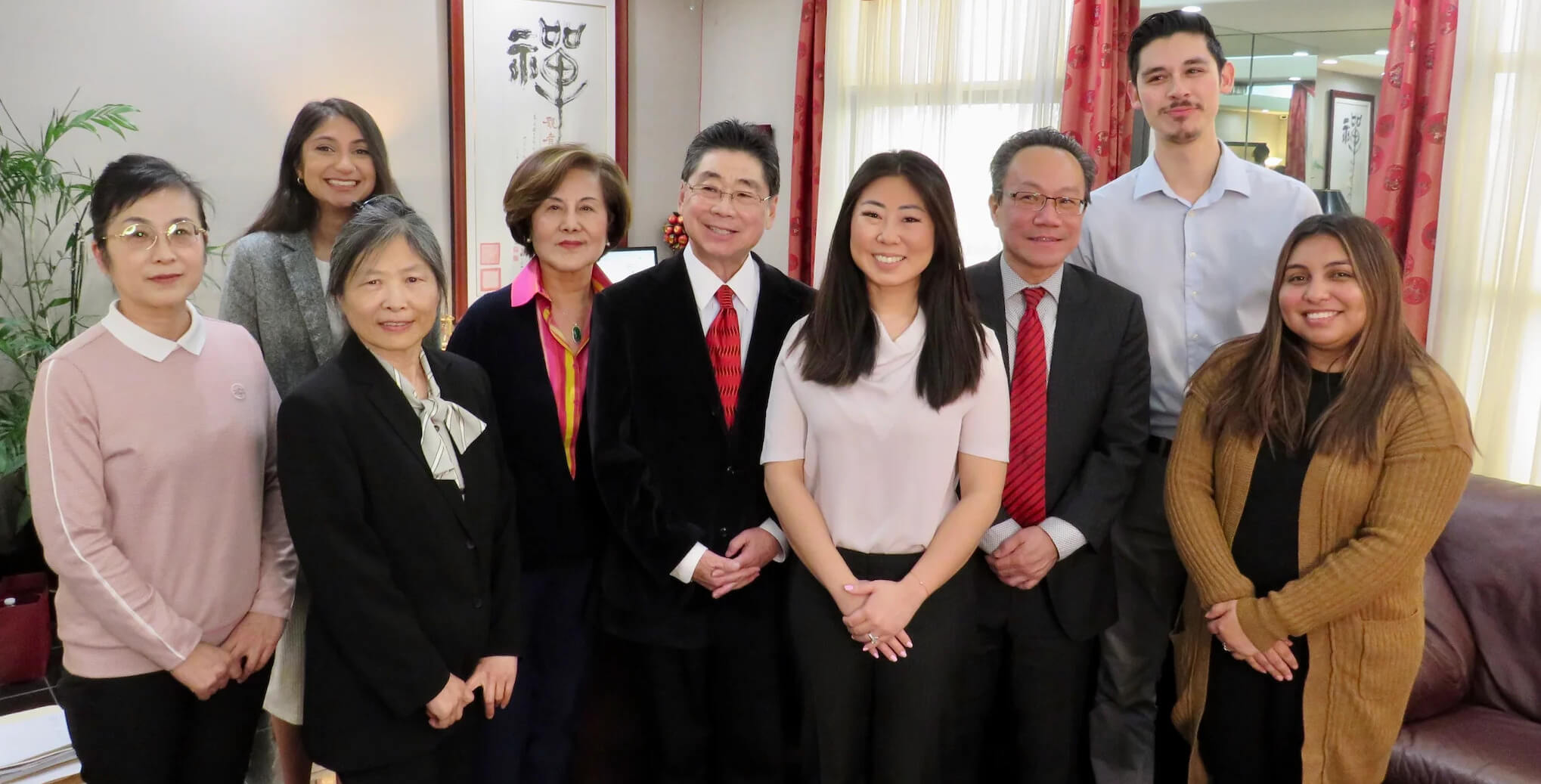
Why Choose Us?
-

Unmatched Expertise
Trust in Peter Chu's 75+ years of collective experience to guide you through complex immigration matters.
-

Tailored Solutions
Our personalized strategies adapt to your unique circumstances, ensuring we meet your specific immigration needs.
-

Proven Success
Benefit from our solid track record in achieving favorable outcomes in various immigration cases across San Diego.
-

Dedicated Service
Experience our client-first approach that ensures constant support and guidance throughout your immigration journey.


Get clear, expert legal guidance tailored to your visa, green card, or citizenship needs.

Inquire now to check if you qualify
Why Seattle Researchers Choose Law Office of Peter Darwin Chu Over General Immigration Practitioners
Not all immigration attorneys handle employment-based petitions with the same depth. You have three primary options: general immigration firms that file EB-1B as one of dozens of visa types, boutique corporate immigration shops that prioritize volume over individual researcher consultation, or attorneys who limit their practice to scholar and researcher classifications. Here's the honest answer: EB-1B petitions succeed or fail based on how well the attorney brief connects your evidence to USCIS's interpretation of 'outstanding' under agency precedent decisions — a skill that requires familiarity with adjudication trends at specific service centers, not just statute citation. Law office of Peter Darwin Chu provides Seattle researchers with substantive case strategy sessions before filing, not intake forms processed by paralegals.
| Option | Consultation Depth | Citation Analysis | RFE Risk Management | Professional Assessment |
|---|---|---|---|---|
| General Immigration Firm | Brief intake call | Client self-reports | Standard template response | May lack EB-1B-specific precedent knowledge |
| Corporate Volume Shop | Employer-driven, researcher rarely consulted | No independent verification | High RFE rate on marginal cases | Prioritizes speed over evidentiary strength |
| Law Office of Peter Darwin Chu | 60-minute evidence review | Google Scholar + Web of Science audit | Pre-filing compliance with policy manual | EB-1B-focused practice with USCIS trend awareness |
Frequently Asked Questions
Find answers to common questions about our services
-
EB-1B I-140 processing at USCIS Nebraska Service Center (which handles most Washington employer petitions) currently averages 4.5–7 months for standard processing. Premium processing (15-day guaranteed adjudication) is available for an additional $2,805 f
-
EB-1A (extraordinary ability) is self-petitioned and requires sustained national or international acclaim — a higher evidentiary bar than EB-1B. EB-1B (outstanding researcher) requires employer sponsorship and a permanent job offer but has a lower thresho
-
No, EB-1B petitions are exempt from the PERM labor certification process under INA Section 203(b)(1). Your Seattle employer files Form I-140 directly without proving that no qualified U.S. workers are available for the position. This exemption saves 8–12
-
Yes, your employer can file EB-1B regardless of where you physically work, as long as the job offer is for a permanent research position and your employer has a qualifying research operation. USCIS evaluates the employer's research credentials and your su
-
USCIS issues RFEs when initial evidence does not clearly establish that you meet two of the six regulatory criteria or that your employer qualifies as a research institution. You have 87 days to submit additional documentation — typically updated citation
-
Attorney fees for EB-1B petition preparation in Seattle typically range from $5,000 to $8,500 depending on case complexity, citation volume, and whether prior RFEs or denials exist. Government filing fees are $700 (Form I-140) plus $2,805 if premium proce
-
If your I-140 has been approved for at least 180 days, you can port your priority date to a new employer's green card petition under AC21 portability rules — even if you change to a different visa category like EB-2. However, changing employers before I-1
-
USCIS does not publish a minimum citation threshold, but adjudicators expect evidence of sustained recognition. In practice, Seattle biomedical and technology researchers with 50–100+ independent citations (excluding self-citations) have strong cases, whi
Need Personalized Immigration Guidance?

