
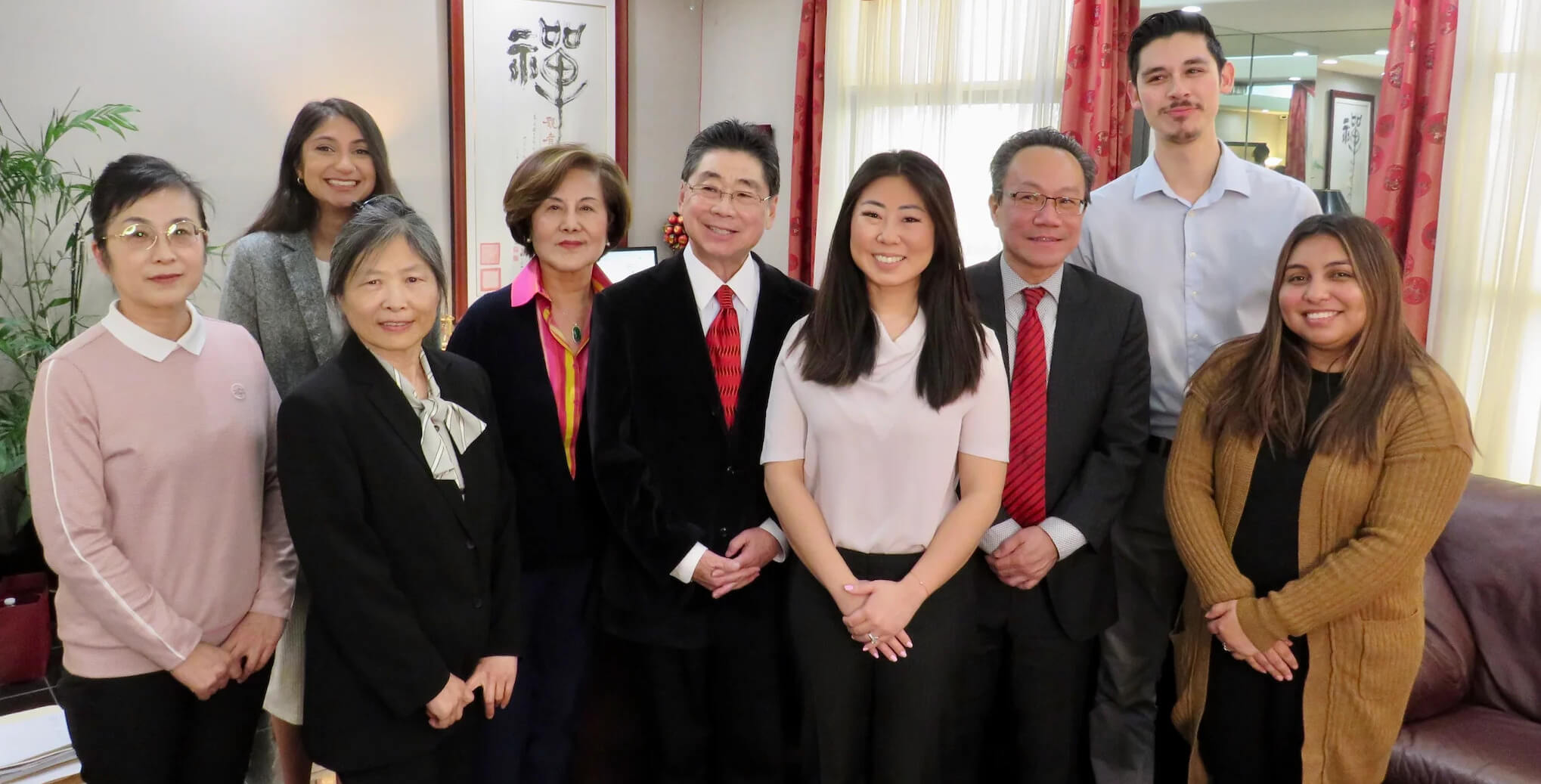
Why Choose Us?
-

Unmatched Expertise
Trust in Peter Chu's 75+ years of collective experience to guide you through complex immigration matters.
-

Tailored Solutions
Our personalized strategies adapt to your unique circumstances, ensuring we meet your specific immigration needs.
-

Proven Success
Benefit from our solid track record in achieving favorable outcomes in various immigration cases across San Diego.
-

Dedicated Service
Experience our client-first approach that ensures constant support and guidance throughout your immigration journey.


Get clear, expert legal guidance tailored to your visa, green card, or citizenship needs.

Inquire now to check if you qualify
Choosing EB-1B Representation in Upland: Law Firm vs. DIY Petition
Upland researchers considering EB-1B petitions face a decision: retain immigration counsel or self-prepare the I-140 petition and supporting evidence. Here's the honest answer: USCIS denial rates for self-filed EB-1B petitions are not publicly reported, but Request for Evidence (RFE) issuance rates for employment-based first preference petitions exceeded 40% in recent fiscal years according to USCIS data—many triggered by insufficient documentation of 'sustained acclaim' or failure to structure expert letters to address the statutory criteria. An EB-1B petition denied for evidentiary insufficiency cannot simply be refiled with more documents—you must wait for priority date retrogression or pursue a different category. Law firms specializing in EB-1B cases structure petitions to preempt common RFE triggers: vague recommendation letters, citation metrics without field context, and original contribution claims unsupported by impact evidence.
| Approach | Evidence Structure | RFE Risk | Cost | Bottom Line |
|---|---|---|---|---|
| Self-Filed Petition | Generic templates, unverified claims | High—no attorney review of statutory compliance | $700 filing fee only | Lowest upfront cost, highest denial exposure |
| Immigration Law Firm | Expert letters citing precedent decisions, field-specific citation benchmarks | Lower—petitions reviewed against AAO standards | $5,000–$12,000 + filing fees | Structured evidence, regulatory compliance, appeal options if denied |
| University In-House Counsel | Institutional templates, limited individualization | Moderate—constrained by institutional policies | Included with employment (if offered) | No out-of-pocket cost but may not optimize individual case strengths |
Frequently Asked Questions
Find answers to common questions about our services
-
Standard processing for EB-1B I-140 petitions filed by Upland applicants through the California Service Center currently averages 4–8 months from filing to decision. Premium processing reduces this to 15 calendar days for an additional $2,805 USCIS fee. T
-
USCIS does not publish approval rates by geographic location, but employment-based first preference (EB-1) petitions overall had an approval rate of approximately 74% in fiscal year 2023 according to USCIS statistics. EB-1B specifically—outstanding resear
-
Yes. EB-1B outstanding researcher petitions are immigrant visa applications and do not affect your current nonimmigrant status. Many Upland researchers file EB-1B petitions while maintaining H-1B status, allowing them to continue working while the I-140 p
-
The sponsoring employer must submit a permanent job offer letter specifying the research position, evidence that the employer qualifies as a research institution (at least three full-time researchers), and documentation of the company or university's rese
-
EB-1B requires employer sponsorship and a permanent job offer but no labor certification and typically faster processing due to no visa number backlog. EB-2 NIW allows self-petitioning without employer involvement but requires proving your research is in
-
Attorney fees for EB-1B petition preparation in Upland and throughout California typically range from $5,000 to $12,000 depending on case complexity, the number of expert letters required, and whether the petition involves multinational evidence coordinat
-
Yes. Your spouse and unmarried children under 21 qualify as derivative beneficiaries under E-14 and E-15 visa classifications once your EB-1B I-140 petition is approved. They can apply for adjustment of status (Form I-485) concurrently with yours or follo
-
An RFE means USCIS requires additional documentation before making a final decision—it is not a denial. Common RFE triggers include insufficient evidence of sustained acclaim, vague expert letters, or citation metrics without field-specific context. You h
Need Personalized Immigration Guidance?

