
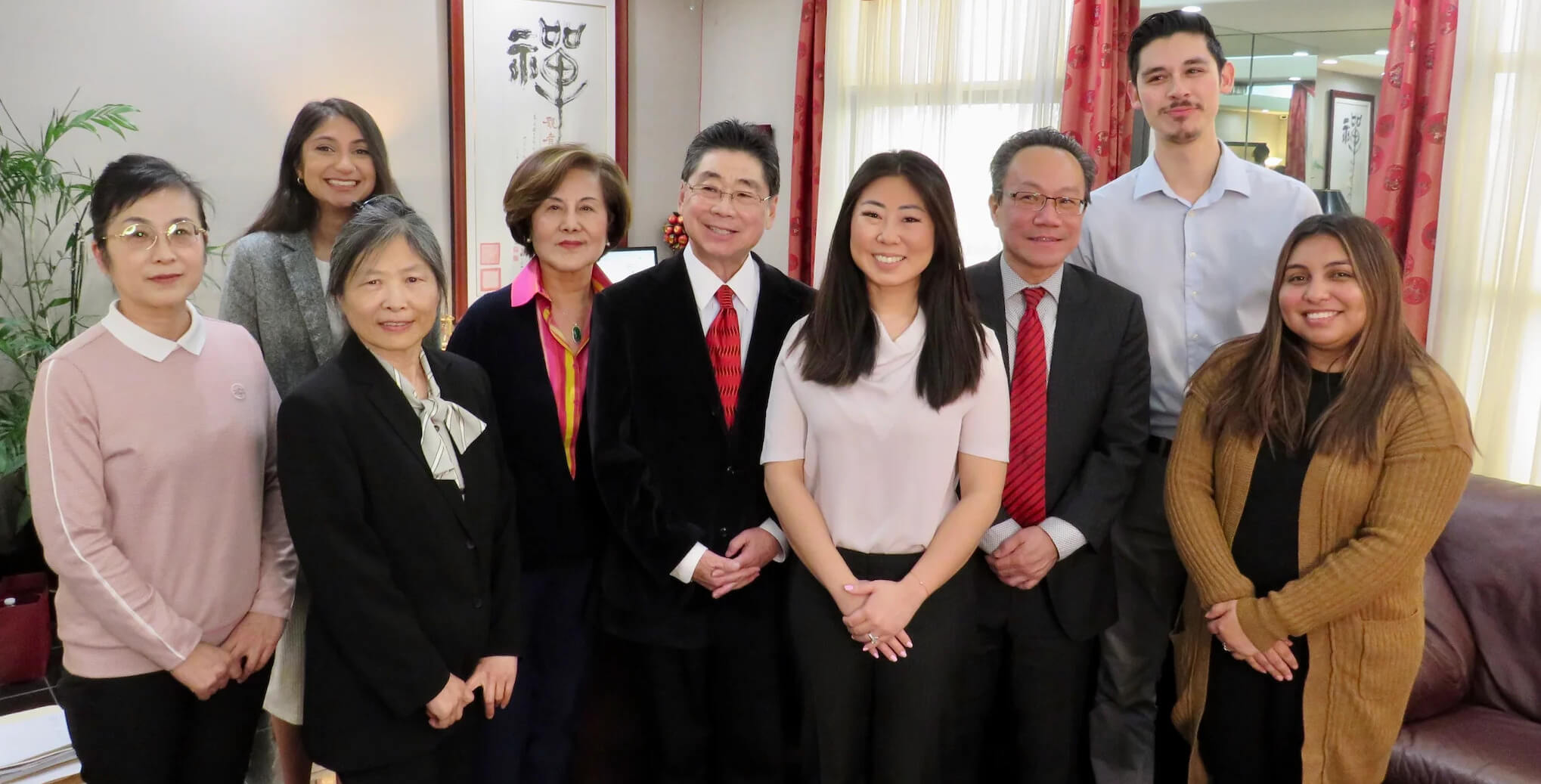
Why Choose Us?
-

Unmatched Expertise
Trust in Peter Chu's 75+ years of collective experience to guide you through complex immigration matters.
-

Tailored Solutions
Our personalized strategies adapt to your unique circumstances, ensuring we meet your specific immigration needs.
-

Proven Success
Benefit from our solid track record in achieving favorable outcomes in various immigration cases across San Diego.
-

Dedicated Service
Experience our client-first approach that ensures constant support and guidance throughout your immigration journey.


Get clear, expert legal guidance tailored to your visa, green card, or citizenship needs.

Inquire now to check if you qualify
How Walnut Creek EB-1B Representation Compares to Other Immigration Pathways
Walnut Creek researchers face three primary paths to permanent residence: EB-1B outstanding researcher, EB-2 National Interest Waiver, and employer-sponsored EB-3. Each has different evidentiary standards, processing timelines, and cost structures. Here's the honest answer: EB-1B is the fastest pathway if you qualify — but it has the highest evidentiary bar. Many researchers overestimate their qualification and file prematurely, resulting in denials that complicate future petitions. An experienced immigration attorney evaluates whether your research record currently supports EB-1B or whether building additional evidence for 12-18 months would increase approval probability.
| Pathway | Evidentiary Standard | Processing Time | Employer Dependence | Professional Assessment |
|---|---|---|---|---|
| EB-1B Outstanding Researcher | International recognition + permanent position offer + 2 of 6 regulatory criteria | 6-12 months (no backlog) | High — requires job offer | Best for established researchers with strong publication/citation records |
| EB-2 National Interest Waiver | Advanced degree + substantial merit + national importance + well-positioned to advance work | 12-24 months | None — self-petition | Best for mid-career researchers without permanent offers yet |
| EB-3 Employer-Sponsored | Bachelor's degree + job offer | 24-48 months (current backlog) | Total — employer controls process | Backup option if EB-1B/EB-2 do not apply |
| Do-It-Yourself Filing | Same standard — no legal analysis | Variable — higher RFE/denial rate | Same | False economy — RFE responses cost more than upfront attorney fees |
Frequently Asked Questions
Find answers to common questions about our services
-
USCIS processing times for EB-1B petitions filed in 2026 average 6-12 months from submission to approval decision, though premium processing (15-day adjudication for an additional government fee) is available for Form I-140 employment-based petitions. Onc
-
EB-1A extraordinary ability classification does not require a job offer — you self-petition based on sustained national or international acclaim. EB-1B outstanding researcher classification requires a permanent research position offer from a qualifying U.
-
Yes — your spouse and unmarried children under 21 are eligible for derivative E-14 visa classification once your EB-1B petition is approved. They can apply for adjustment of status concurrently with your application, or follow-to-join after you receive pe
-
Legal fees for EB-1B outstanding researcher visa representation vary by case complexity — typically ranging from $8,000-$15,000 for petition preparation, evidence strategy, and USCIS correspondence through approval. This does not include government filing
-
A Request for Evidence means USCIS needs additional documentation or clarification before making a decision — it is not a denial. You typically have 30-87 days to respond depending on the RFE type. The response must directly address each point raised by t
-
No — EB-1B classification does not require English language testing or proficiency demonstration. The evidentiary focus is entirely on your research credentials, international recognition, and permanent position offer. Your petition can be supported by pu
-
Once your EB-1B I-140 petition is approved, you can port your priority date to a new employer under AC21 portability rules — but only if you have filed your adjustment of status application and it has been pending for at least 180 days. If you change empl
-
USCIS defines a permanent position as one that is unlimited in duration — not contingent on grant funding, not limited to a specific project term, and not a postdoctoral fellowship. A Walnut Creek university offering a tenure-track faculty position qualif
Need Personalized Immigration Guidance?

