
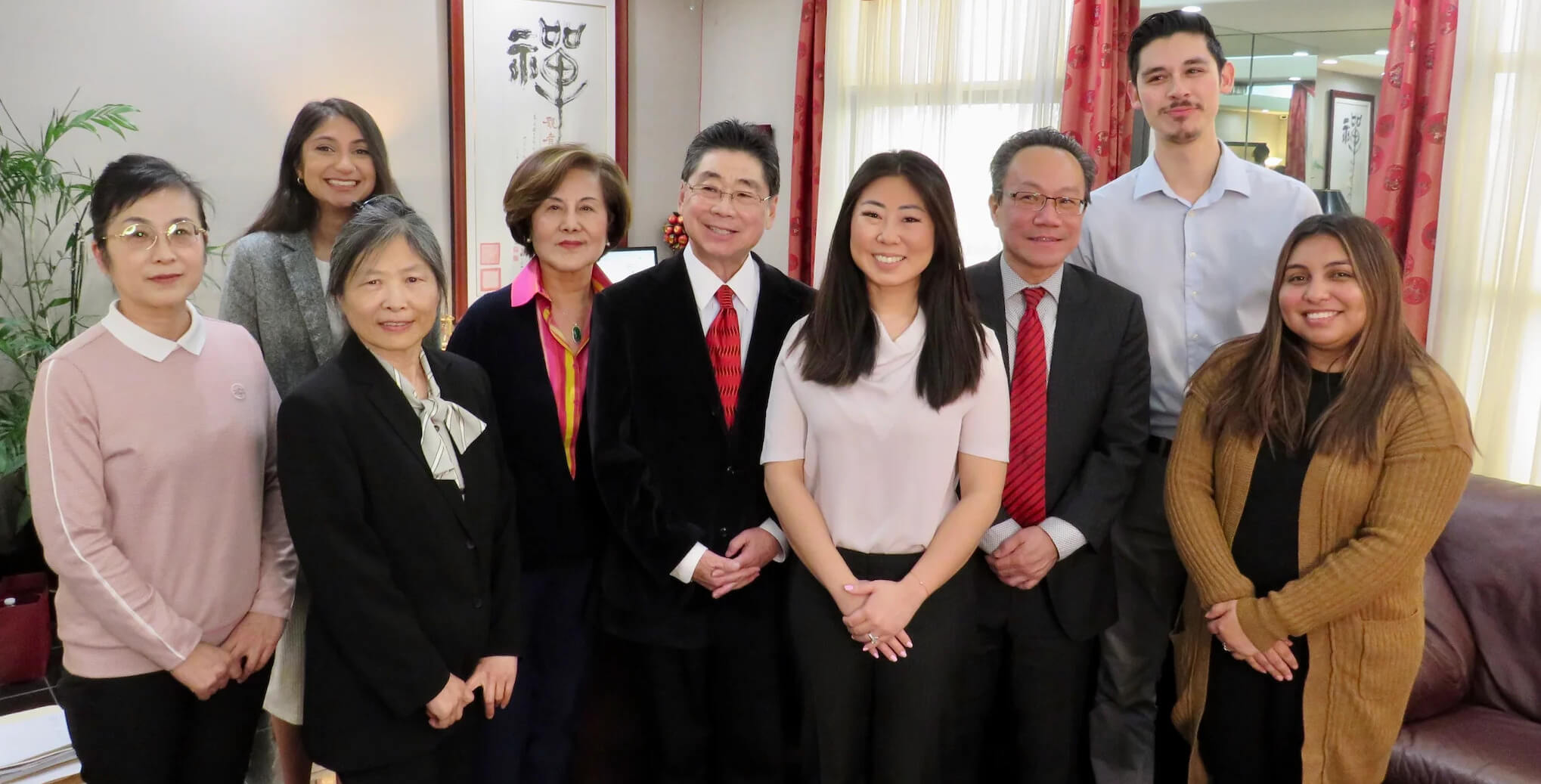
Why Choose Us?
-

Unmatched Expertise
Trust in Peter Chu's 75+ years of collective experience to guide you through complex immigration matters.
-

Tailored Solutions
Our personalized strategies adapt to your unique circumstances, ensuring we meet your specific immigration needs.
-

Proven Success
Benefit from our solid track record in achieving favorable outcomes in various immigration cases across San Diego.
-

Dedicated Service
Experience our client-first approach that ensures constant support and guidance throughout your immigration journey.


Get clear, expert legal guidance tailored to your visa, green card, or citizenship needs.

Inquire now to check if you qualify
Comparing Your EB-1B Representation Options in Apple Valley
Researchers pursuing EB-1B classification face three primary representation paths: self-preparation using online templates, general immigration practitioners handling multiple visa categories, or specialized counsel focusing exclusively on employment-based petitions. Here's the honest answer: EB-1B petitions have approval rates that vary dramatically by evidence quality and legal argument structure, and USCIS adjudicators expect university-level researchers to present cases with the same rigor they apply to peer-reviewed research. Generic petitions using boilerplate language and incomplete citation analysis fail at rates exceeding 40% in initial adjudication. Law office of Peter Darwin Chu structures every EB-1B case around the specific regulatory criteria at 8 CFR 204.5(i)(3), building evidence records that anticipate examiner skepticism before the petition is filed.
| Approach | Typical Cost | RFE Rate | Professional Assessment |
|---|---|---|---|
| Self-Filed Using Templates | $0–$500 | 50–70% | High rejection risk due to incomplete regulatory compliance and weak evidentiary foundations |
| General Immigration Practitioner | $2,500–$4,500 | 30–50% | Moderate risk — may lack depth in academic credential evaluation and citation impact analysis |
| EB-1B Specialized Counsel | $4,000–$7,000 | 15–25% | Lowest RFE rate — petitions built around field-specific impact metrics and regulatory precision |
Frequently Asked Questions
Find answers to common questions about our services
-
USCIS processing times for Form I-140 petitions under the EB-1B classification currently range from 4 to 12 months depending on the service center assigned to your case. Premium Processing Service, available for an additional $2,805 fee, guarantees a 45-c
-
EB-1A (Extraordinary Ability) requires no employer sponsorship and allows self-petitioning, but demands a higher evidentiary threshold including major international awards or sustained acclaim. EB-1B (Outstanding Researcher) requires employer sponsorship
-
Yes. EB-1B petitions can be filed concurrently with H-1B status, and approval does not require you to leave the United States. If your I-140 is approved and a visa number is immediately available (EB-1 visas are current for most countries), you can file F
-
USCIS does not require attorney representation, but EB-1B petitions involve complex legal standards regarding 'outstanding' achievement and 'permanent' employment that are not defined in plain terms in the regulations. Employers who file without counsel f
-
USCIS requires at least two of the following six criteria: major prizes or awards, membership in associations requiring outstanding achievements, published material about your work in major media, participation as a judge of others' work, original contrib
-
Yes, but the petitioning employer must demonstrate that it engages in research activities and has at least three full-time researchers on staff. USCIS scrutinizes startup petitions closely for evidence of financial ability to pay the offered wage and perm
-
EB-1B denials can be appealed to the USCIS Administrative Appeals Office, but appeals take 12–18 months and have low success rates. A better strategy is often to refile with strengthened evidence, additional expert letters, and refined legal arguments. If
-
Unlike H-1B or O-1 visas, EB-1B is an immigrant petition leading directly to permanent residence, not temporary status. There is no annual cap, no lottery, and no prevailing wage requirement. However, the evidentiary standard is significantly higher than
Need Personalized Immigration Guidance?

