
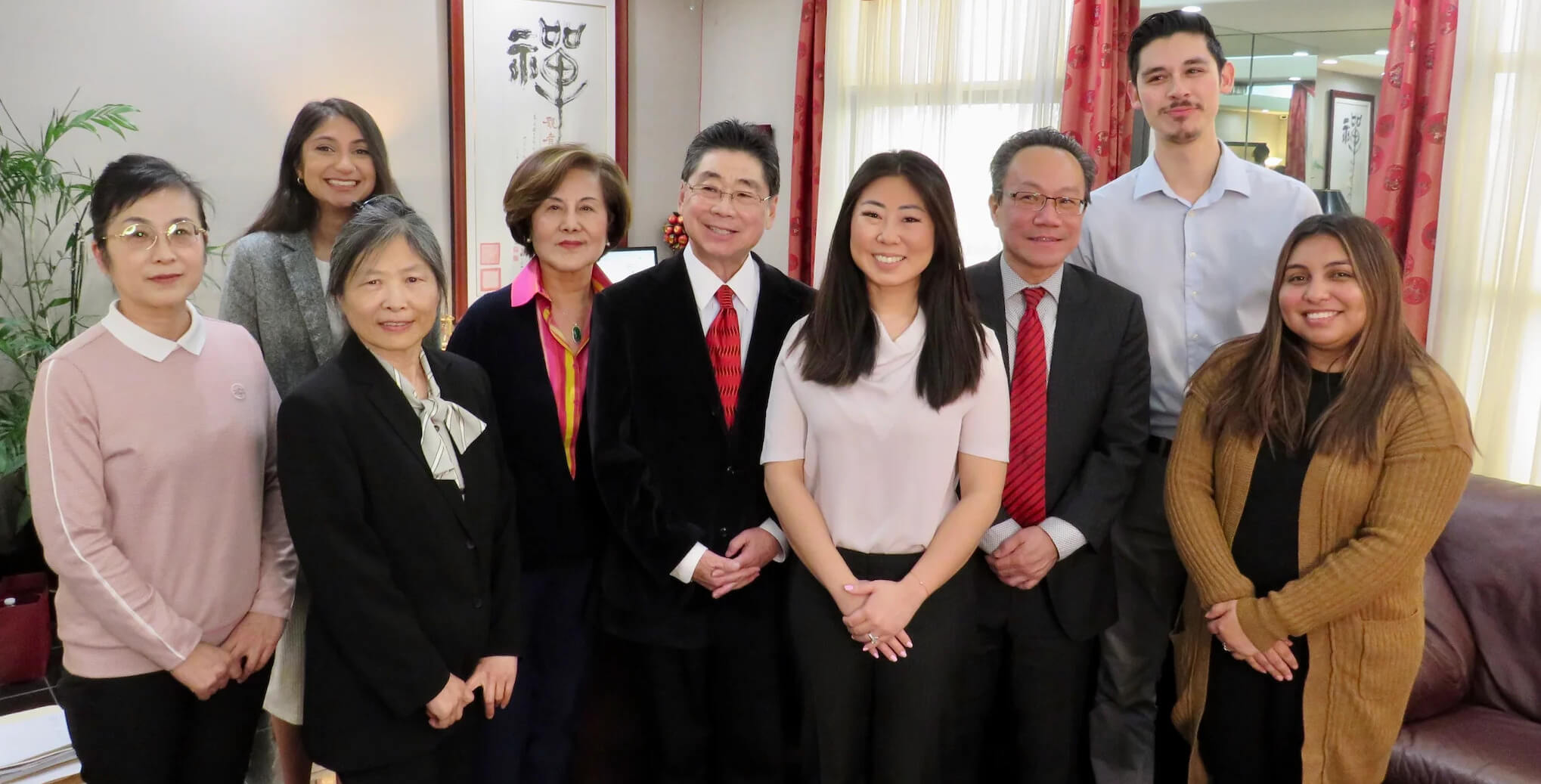
Why Choose Us?
-

Unmatched Expertise
Trust in Peter Chu's 75+ years of collective experience to guide you through complex immigration matters.
-

Tailored Solutions
Our personalized strategies adapt to your unique circumstances, ensuring we meet your specific immigration needs.
-

Proven Success
Benefit from our solid track record in achieving favorable outcomes in various immigration cases across San Diego.
-

Dedicated Service
Experience our client-first approach that ensures constant support and guidance throughout your immigration journey.


Get clear, expert legal guidance tailored to your visa, green card, or citizenship needs.

Inquire now to check if you qualify
Why Atlanta Researchers Choose Law office of Peter Darwin Chu Over Filing EB-1B Petitions Without Legal Representation
Atlanta-based researchers face three filing options: (1) employer-prepared I-140 petitions handled by in-house HR departments without legal review, (2) self-filing pro se petitions using online templates, or (3) immigration attorney representation through firms specializing in employment-based immigrant visa categories. Here's the honest answer: employer-prepared EB-1B petitions filed without attorney review fail at measurably higher rates than attorney-prepared petitions because HR staff lack familiarity with USCIS's interpretation of the six regulatory criteria under 8 CFR 204.5(i)(3)(i) and routinely submit insufficient evidence of 'international recognition' or 'original contributions of major significance.' Self-filed EB-1B petitions face the same evidentiary deficiencies — plus petitioners who draft their own petition letters consistently overstate credentials in ways that undermine credibility with USCIS adjudicators.
| Filing Method | Evidence Quality | RFE Rate | Approval Timeline | Professional Assessment |
|---|---|---|---|---|
| Attorney-Prepared | Indexed to regulatory criteria | 20–30% | 4–6 months (premium) | Highest approval rate — evidence tailored to USCIS standards |
| Employer HR Dept | Generalized support letters | 50–60% | 6–12 months | High RFE risk — HR lacks regulatory expertise |
| Self-Filed Pro Se | Unstructured evidence | 60–70% | 12+ months (after RFEs) | Highest denial risk — credential overstatement common |
| No Filing | N/A | N/A | Indefinite H-1B status | Missed permanent residence opportunity |
Law office of Peter Darwin Chu limits its practice to employment-based immigration, ensuring every EB-1B petition is prepared by an attorney with direct experience in outstanding researcher cases and familiarity with USCIS adjudication standards at the Texas and Nebraska Service Centers.
Frequently Asked Questions
Find answers to common questions about our services
-
With premium processing, the I-140 petition receives adjudication within 15 business days of USCIS receipt. Without premium processing, standard processing at the Texas or Nebraska Service Center averages 4–6 months. After I-140 approval, adjustment of st
-
EB-1B representation fees vary by case complexity and range from $8,000 to $15,000 for full-service representation including I-140 preparation, RFE response, and adjustment of status coordination. This attorney fee is separate from USCIS filing fees ($700
-
Yes — F-1 students on Optional Practical Training (OPT) or STEM OPT extension can have an EB-1B petition filed on their behalf if they are employed in a qualifying research position at an Atlanta university, research institution, or private sector employe
-
International recognition means your research achievements are known and acknowledged by experts beyond your immediate institution or country. USCIS evaluates this through evidence such as: citation counts in peer-reviewed journals, invitations to speak a
-
No — the EB-1B outstanding researcher category is exempt from the labor certification (PERM) requirement that applies to EB-2 and EB-3 employment-based green cards. This exemption saves 12–18 months of processing time and eliminates the prevailing wage de
-
Yes — a denied I-140 petition can be refiled with additional evidence addressing the specific deficiencies identified in the denial notice. USCIS denial notices explain which regulatory criteria were not met and what evidence was insufficient. Law office
-
Yes — your spouse and unmarried children under 21 are eligible for derivative E-14 and E-15 immigrant visas based on your approved EB-1B I-140 petition. They file I-485 adjustment of status applications concurrently with yours (if in the U.S.) or apply fo
-
EB-1B requires employer sponsorship, a permanent position offer, and three years of research experience — but the evidentiary standard is lower than EB-1A. EB-1A requires no employer sponsorship and no job offer but demands proof of 'sustained national or
Need Personalized Immigration Guidance?

