
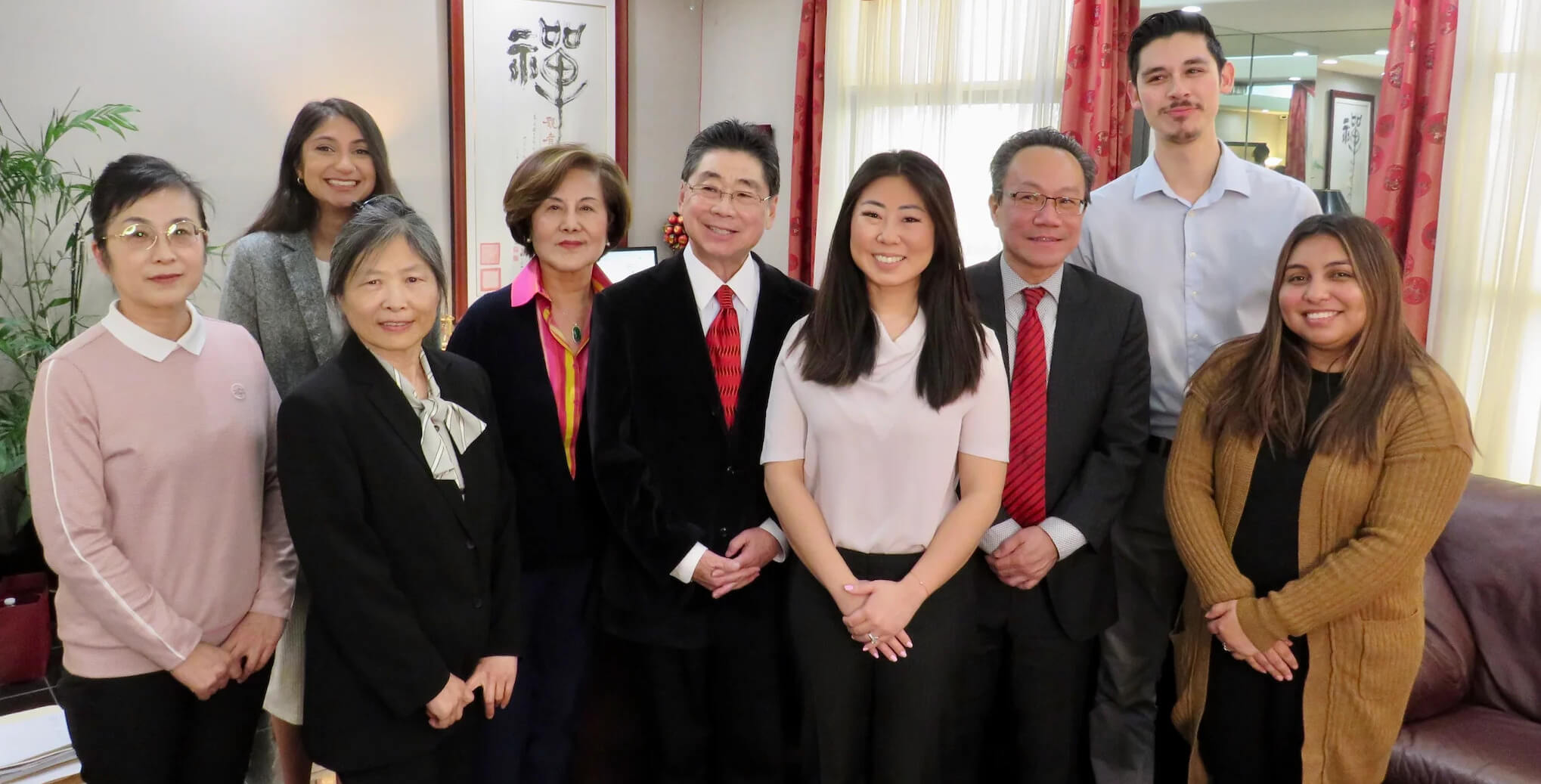
Why Choose Us?
-

Unmatched Expertise
Trust in Peter Chu's 75+ years of collective experience to guide you through complex immigration matters.
-

Tailored Solutions
Our personalized strategies adapt to your unique circumstances, ensuring we meet your specific immigration needs.
-

Proven Success
Benefit from our solid track record in achieving favorable outcomes in various immigration cases across San Diego.
-

Dedicated Service
Experience our client-first approach that ensures constant support and guidance throughout your immigration journey.


Get clear, expert legal guidance tailored to your visa, green card, or citizenship needs.

Inquire now to check if you qualify
How EB-1B Representation in Bellflower Differs From Other Immigration Services
Bellflower researchers pursuing permanent residency face three primary options: hire a specialized EB-1B lawyer, use a general immigration attorney, or attempt a self-filed petition. Each path presents distinct tradeoffs in cost, expertise, and approval probability.
Here's the honest answer: general immigration attorneys who handle family-based cases, asylum, and removal defense often lack direct experience with the evidentiary standards that govern EB-1 outstanding researcher petitions — and the difference shows in RFE rates. The EB-1B classification is governed by a three-prong regulatory test that requires not just strong credentials but strategic presentation of those credentials in a format that satisfies USCIS adjudicators trained to evaluate academic evidence. Law office of Peter Darwin Chu focuses exclusively on employment-based immigrant visas, ensuring every petition is prepared by an attorney who has built EB-1B cases across dozens of academic fields and knows which evidence categories carry the most weight in California Service Center adjudications.
| Approach | Evidence Structuring | RFE Risk | Employer Coordination | Processing Knowledge |
|---|---|---|---|---|
| Specialized EB-1B Lawyer | Organized by regulatory category with qualitative narrative | Low — petitions drafted to anticipate adjudicator concerns | Direct coordination with HR and research admin | Current processing times, premium processing strategy |
| General Immigration Attorney | Basic document compilation | Moderate to high — less familiarity with EB-1 standards | Limited employer guidance | General knowledge |
| Self-Filed Petition | DIY organization, no legal review | High — common errors include insufficient evidence or weak letters | Researcher manages all employer documentation | Relies on online research |
Frequently Asked Questions
Find answers to common questions about our services
-
EB-1B petitions filed by Bellflower residents are typically processed at USCIS California Service Center, where current processing times range from 6 to 12 months under standard processing. Premium processing (Form I-907) reduces this to 15 business days
-
EB-1B attorney fees in Bellflower and throughout California typically range from $5,000 to $12,000 depending on case complexity, the volume of evidence requiring organization, and whether the employer is a university or private company. This fee covers pe
-
Yes, your spouse and unmarried children under 21 are eligible for derivative E-14 and E-15 immigrant visas based on your approved EB-1B petition. They do not need to meet any independent qualifications — their eligibility is entirely derived from your sta
-
USCIS evaluates EB-1B petitions based on at least two of six regulatory evidence categories: major prizes or awards for outstanding achievement, membership in associations requiring outstanding achievements, published material in professional publications
-
No, the EB-1B outstanding researcher visa is exempt from the labor certification requirement that governs EB-2 and EB-3 employment-based green cards. This exemption saves 12 to 18 months of processing time and eliminates the recruitment and prevailing wag
-
If your EB-1B petition is denied, you have three primary options: file a motion to reopen or reconsider with USCIS, file an appeal with the Administrative Appeals Office (AAO), or refile a new petition with additional or restructured evidence. Motions and
-
Yes, an approved EB-1B petition leads to lawful permanent residence (a green card), which is the first step toward U.S. citizenship. Once you receive your green card, you are eligible to apply for naturalization after five years of continuous residence as
-
Both EB-1A and EB-1B are employment-based first preference immigrant visas for individuals with extraordinary or outstanding ability, but they differ in sponsorship and evidence standards. The EB-1A extraordinary ability visa allows self-petitioning witho
Need Personalized Immigration Guidance?

