
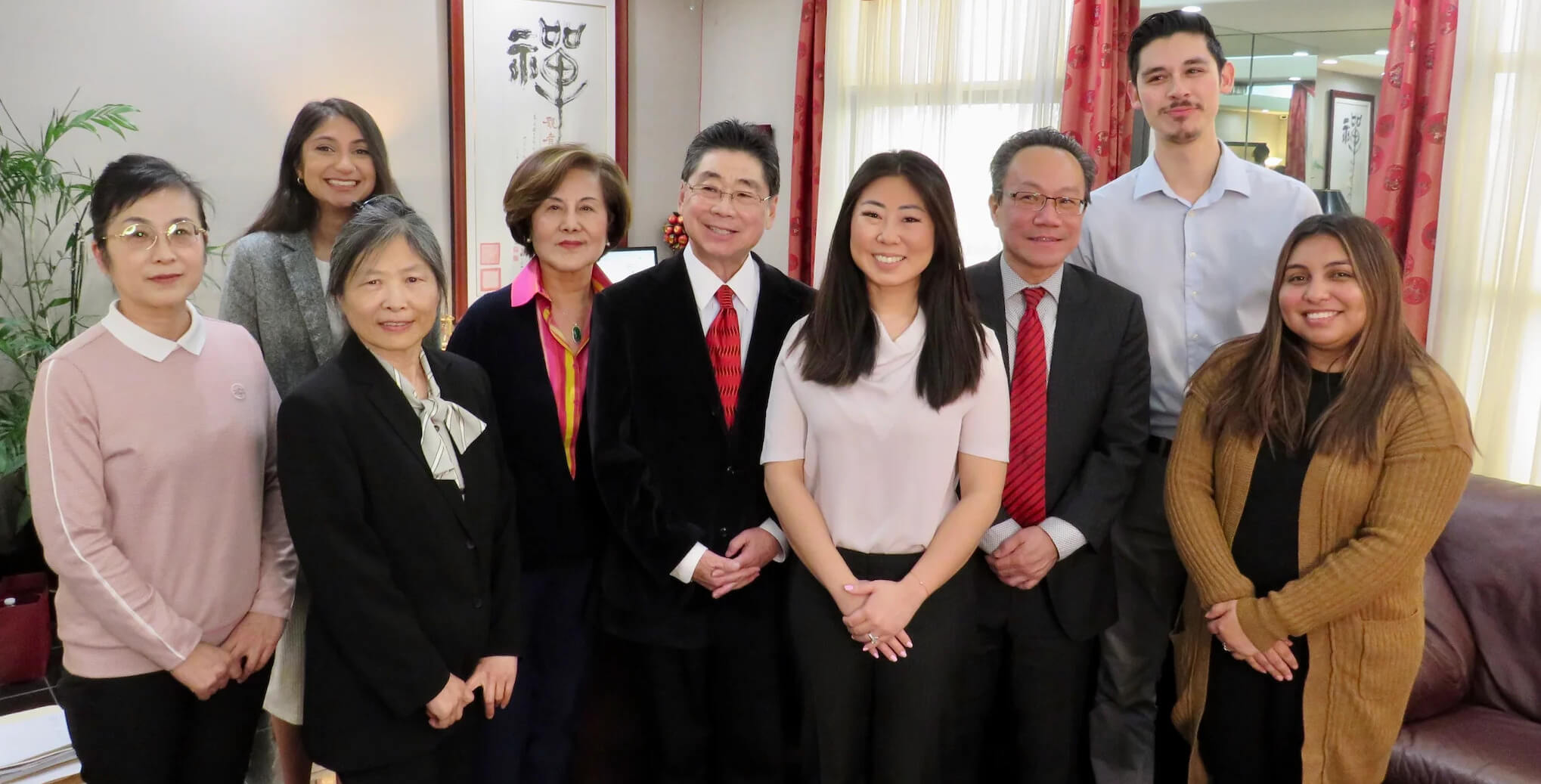
Why Choose Us?
-

Unmatched Expertise
Trust in Peter Chu's 75+ years of collective experience to guide you through complex immigration matters.
-

Tailored Solutions
Our personalized strategies adapt to your unique circumstances, ensuring we meet your specific immigration needs.
-

Proven Success
Benefit from our solid track record in achieving favorable outcomes in various immigration cases across San Diego.
-

Dedicated Service
Experience our client-first approach that ensures constant support and guidance throughout your immigration journey.


Get clear, expert legal guidance tailored to your visa, green card, or citizenship needs.

Inquire now to check if you qualify
Why Charlotte Researchers Choose Specialized EB-1B Counsel Over General Immigration Practitioners
Many Charlotte immigration attorneys handle EB-1B petitions as an occasional service alongside family-based cases and deportation defense — resulting in petition packages that lack the technical evidence architecture required to satisfy USCIS adjudicators trained in evaluating research credentials. Here's the honest answer: outstanding researcher petitions fail most often not because the applicant lacks qualifications, but because counsel failed to frame citations, publications, and peer review service within the regulatory criteria USCIS is required to apply. General practitioners often submit generic recommendation letters and unsupported claims of 'international recognition' without field-specific benchmarking or expert validation.
| Approach | General Immigration Firm | EB-1B Focused Counsel | Professional Assessment |
|---|---|---|---|
| Evidence Standard | Resume and CV submitted as-is | Citation analysis, h-index metrics, field-specific benchmarking compiled | Critical — USCIS requires comparative evidence, not credentials alone |
| Recommendation Letters | Generic support letters from colleagues | Strategic letters from internationally recognized scholars citing specific contributions | Dispositive — letters must demonstrate independent recognition beyond your institution |
| Response to RFE | Resubmits original evidence with cover letter | Commissions expert opinions, updates citation counts, provides precedent decisions | Outcome determinative — most approvals after RFE result from new technical evidence |
| Institutional Coordination | Minimal employer involvement | Direct coordination with university counsel and HR to secure compliant job offer | Required — institutional letters must satisfy 8 CFR permanent position criteria |
Frequently Asked Questions
Find answers to common questions about our services
-
EB-1B petitions filed from Charlotte are typically processed at USCIS Nebraska Service Center, which currently reports average processing times of 8–12 months for I-140 employment-based petitions. Premium processing (Form I-907) is available for most EB-1
-
The Law office of Peter Darwin Chu charges flat fees for EB-1B petition preparation, typically ranging $8,000–$15,000 depending on case complexity, number of publications requiring analysis, and institutional coordination requirements. This fee covers pet
-
USCIS does not specify mandatory citation or publication thresholds — EB-1B eligibility requires demonstrating international recognition through at least two of six regulatory criteria under 8 CFR §204.5(i)(3)(i). However, Administrative Appeals Office pr
-
Yes, F-1 students and Optional Practical Training participants in Charlotte can pursue EB-1B petitions if they secure qualifying permanent research positions from institutional or corporate sponsors. The petition must demonstrate that you already possess
-
Yes, you can refile an EB-1B petition after denial, but you should first determine whether to appeal the denial, file a motion to reopen, or submit a new petition with strengthened evidence. If USCIS denied your petition based on insufficient evidence of
-
Corporate researchers in Charlotte absolutely qualify for EB-1B classification if their employer meets the regulatory definition of a qualifying research organization under 8 CFR §204.5(i)(2). This includes private biotechnology firms, pharmaceutical R&D
-
EB-1A (extraordinary ability) allows self-petitioning without employer sponsorship and requires demonstrating sustained national or international acclaim — typically a higher standard than EB-1B's 'outstanding' threshold. EB-1B (outstanding researcher) re
-
Immigration petitions are federal matters not tied to state residency — you may relocate from Charlotte to any U.S. location during the EB-1B process without affecting your case. However, if you change employers, your new employer must file a new I-140 pe
Need Personalized Immigration Guidance?

