
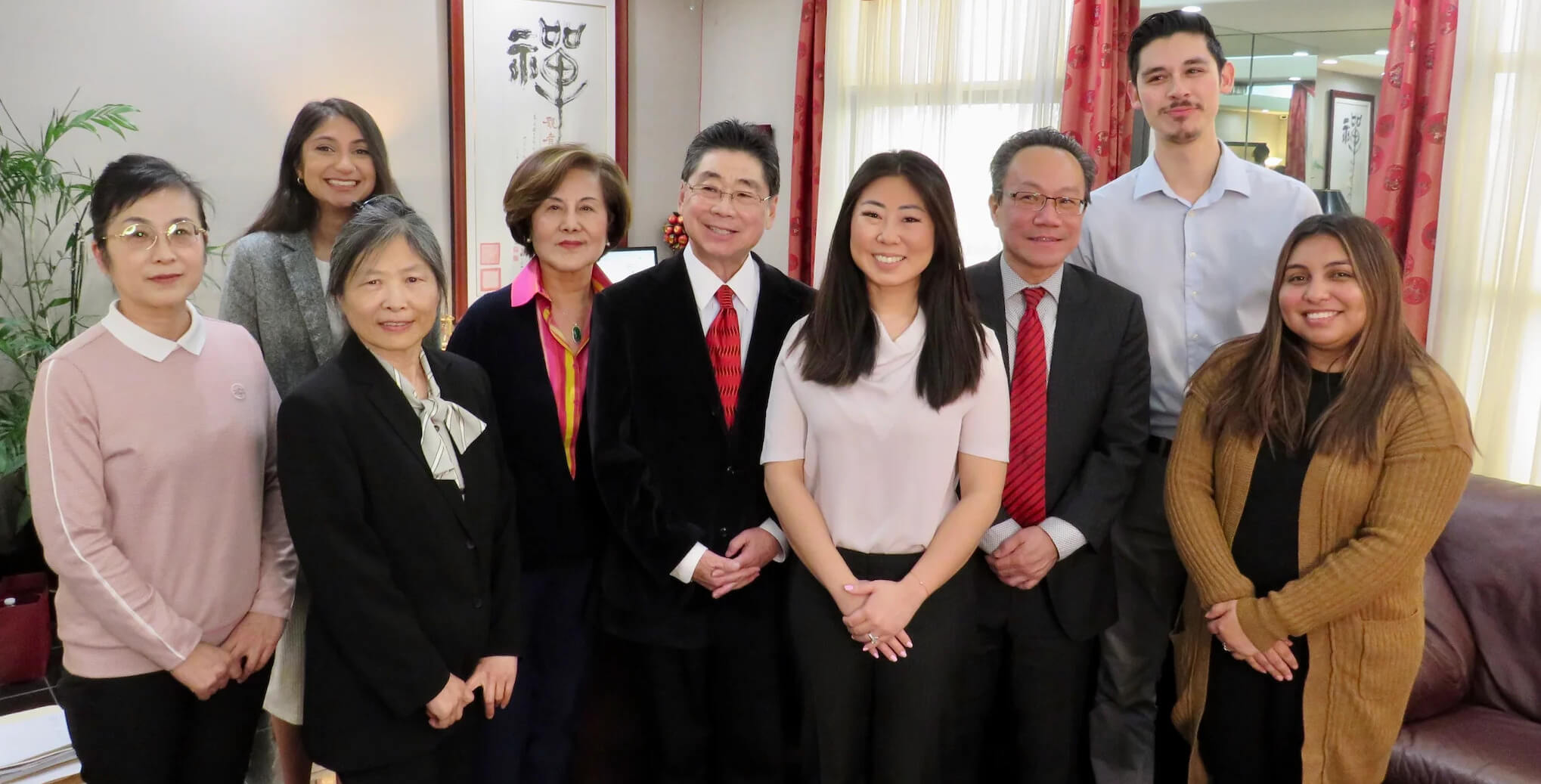
Why Choose Us?
-

Unmatched Expertise
Trust in Peter Chu's 75+ years of collective experience to guide you through complex immigration matters.
-

Tailored Solutions
Our personalized strategies adapt to your unique circumstances, ensuring we meet your specific immigration needs.
-

Proven Success
Benefit from our solid track record in achieving favorable outcomes in various immigration cases across San Diego.
-

Dedicated Service
Experience our client-first approach that ensures constant support and guidance throughout your immigration journey.


Get clear, expert legal guidance tailored to your visa, green card, or citizenship needs.

Inquire now to check if you qualify
Choosing the Right EB-1B Immigration Lawyer Chicago Path
Chicago researchers pursuing EB-1B outstanding researcher visa Chicago classification face three primary options: retained immigration counsel specializing in employment-based petitions, general practice immigration attorneys handling all visa types, or self-filing using online templates and USCIS instructions. Each carries distinct trade-offs.
Here's the honest answer: EB-1B petitions are evidence-intensive adjudications where the quality of your documentation — not just the fact of your qualifications — determines approval. USCIS officers reviewing 8 CFR 204.5(i)(3)(i) criteria expect structured arguments explaining why your citations reflect international recognition, why your peer review service demonstrates standing in the field, and why your research contributions are original rather than incremental. General immigration practitioners who handle EB-1B cases alongside family petitions and naturalization applications often lack the specialized knowledge to construct these arguments effectively, resulting in RFE rates 2–3 times higher than specialized counsel. Self-filing works for researchers with exceptional credentials (sustained record of publications in Nature/Science-tier journals, named awards, extensive invited speaking) and legal research skills — but for the majority of Chicago academics whose credentials are strong but not unambiguous, the cost of a denied petition (lost filing fees, delayed timelines, potential visa status complications) exceeds the cost of experienced representation.
| Approach | Evidence Strategy | RFE Risk | Timeline | Bottom Line |
|---|---|---|---|---|
| Specialized EB-1B Counsel | Multi-layered documentation with expert letters, citation analysis, field-specific benchmarking | Low — proactive gap-filling before filing | 6–10 months average (faster with premium processing) | Best for researchers with strong but not unambiguous credentials |
| General Immigration Attorney | Standard petition template, basic supporting documents | Moderate to high — reactive responses to USCIS questions | 10–16 months (RFE delays common) | Risk of under-documentation |
| Self-Filing | DIY evidence compilation, limited legal interpretation | High — no advance review of evidence sufficiency | 8–14 months if approved; indefinite if denied and refiled | Only viable for researchers with unambiguous top-tier credentials |
| University In-House Counsel | Institution-provided support, often limited to administrative tasks | Variable — depends on counsel's EB-1B experience | 8–12 months | Check whether counsel will handle RFE responses or only initial filing |
Frequently Asked Questions
Find answers to common questions about our services
-
EB-1B outstanding researcher visa Chicago petitions filed at USCIS service centers currently process in 6–10 months under standard processing, or 15 business days if you pay the $2,805 premium processing fee (as of 2026 fee schedules). Processing times va
-
International recognition under 8 CFR 204.5(i)(3)(i) means your work is known and acknowledged by researchers beyond your immediate institution or collaborators. USCIS evaluates this through evidence categories including: original contributions to your fi
-
Postdoctoral positions can qualify for EB-1B if they meet the permanent position requirement under 8 CFR 204.5(i)(3)(ii) — meaning the role is indefinite or unlimited in duration, not tied to a specific grant or project end date. Most traditional 2-year p
-
Yes. Unlike EB-1A extraordinary ability petitions which allow self-petitioning, EB-1B petitions require a U.S. employer to sponsor you and offer you a permanent research position. Your Chicago employer — typically a university, research institute, or priv
-
EB-1B requires a permanent job offer and employer sponsorship but offers faster processing and current priority dates with no backlog for most countries. EB-2 National Interest Waiver allows self-petitioning without a job offer but faces multi-year priori
-
Attorney fees for EB-1B outstanding researcher visa Chicago representation typically range from $6,000–$12,000 depending on case complexity, evidence portfolio development needs, and whether premium processing or RFE response is required. This is separate
-
If USCIS denies your I-140 EB-1B petition, you have three options: (1) file a motion to reopen or reconsider within 30 days if you believe USCIS made a legal or factual error, (2) file an appeal to the Administrative Appeals Office within 30 days, or (3)
-
Yes. Once your EB-1B I-140 petition is approved and your priority date is current, you can file I-485 adjustment of status applications for yourself, your spouse, and unmarried children under 21 simultaneously. They receive derivative immigration benefits
Need Personalized Immigration Guidance?

