
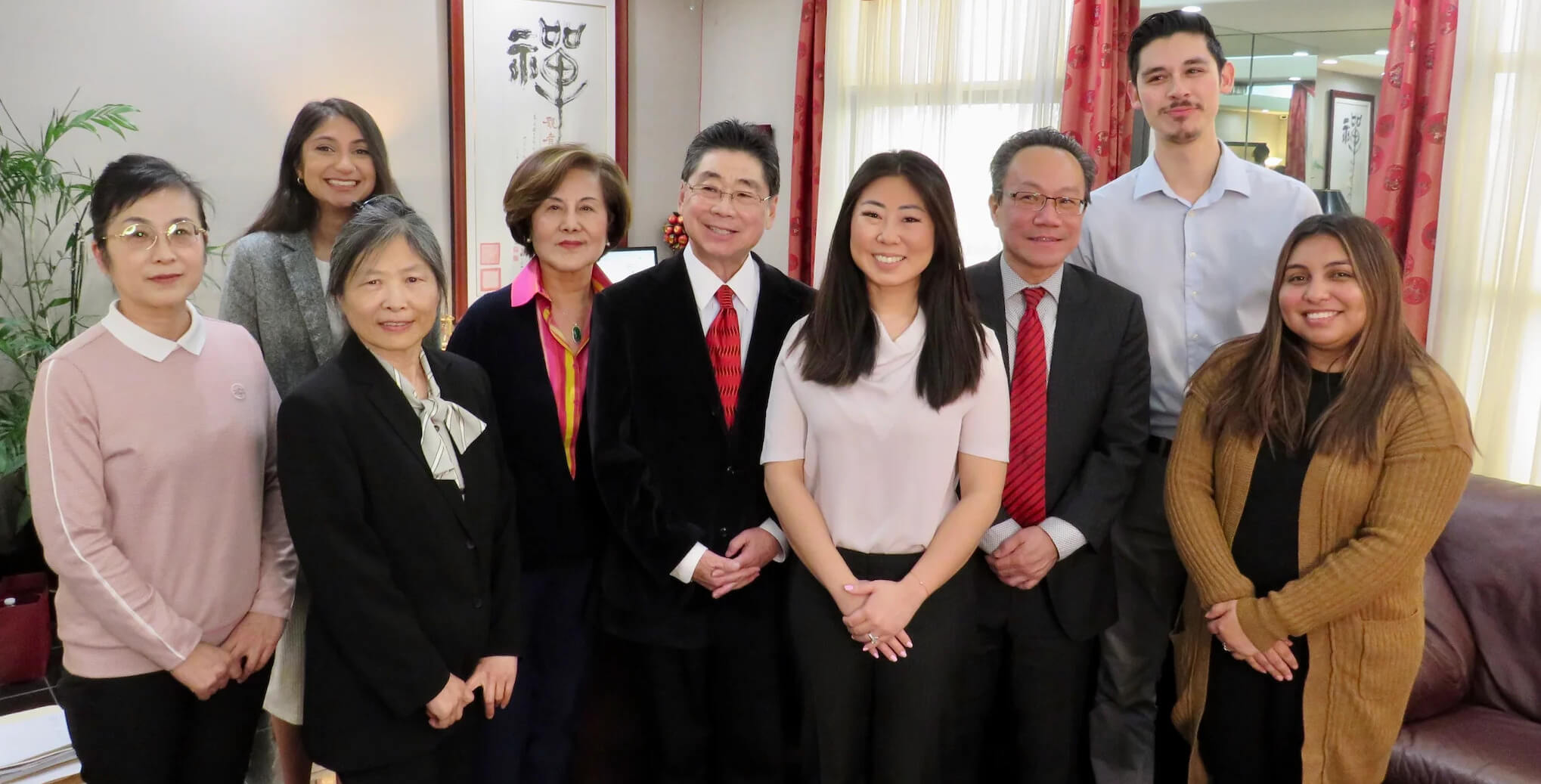
Why Choose Us?
-

Unmatched Expertise
Trust in Peter Chu's 75+ years of collective experience to guide you through complex immigration matters.
-

Tailored Solutions
Our personalized strategies adapt to your unique circumstances, ensuring we meet your specific immigration needs.
-

Proven Success
Benefit from our solid track record in achieving favorable outcomes in various immigration cases across San Diego.
-

Dedicated Service
Experience our client-first approach that ensures constant support and guidance throughout your immigration journey.


Get clear, expert legal guidance tailored to your visa, green card, or citizenship needs.

Inquire now to check if you qualify
Why Downey Researchers Choose Specialized EB-1B Counsel Over General Immigration Practitioners
When evaluating EB-1B representation, researchers typically consider three options: handling the petition independently with employer HR support, hiring a general immigration attorney, or engaging counsel who focuses on employment-based cases for academics and researchers. Here's the honest answer: EB-1B petitions are evidence-intensive and legally complex — they require not just immigration law knowledge, but an understanding of how academic credentials, citation metrics, and research impact are evaluated under the 'outstanding' standard, which differs significantly from H-1B or PERM labor certification work. A general practitioner may file the forms correctly but lack the experience to build a compelling evidence narrative that anticipates USCIS scrutiny of your citation profile, publication venues, or reference letter quality.
| Approach | Evidence Strategy | Employer Coordination | Success Rate Context | Professional Assessment |
|---|---|---|---|---|
| Self-Filing with HR | Employer handles job offer; researcher assembles evidence independently | Limited to HR forms and policy compliance | Variable — depends on researcher's legal research ability and evidence quality | Risky for borderline cases — no legal strategy to address evidentiary gaps or weak criteria |
| General Immigration Attorney | Standard I-140 preparation; limited academic credential assessment | Files forms; may not understand university hiring policies | Adequate for strong cases; struggles with Request for Evidence responses | Functional for clear-cut cases — may lack depth for nuanced research profiles |
| EB-1B Specialized Counsel | Criteria-by-criteria evidence mapping; citation analysis; strategic reference letter coordination | Works directly with institutional counsel and faculty sponsors | Higher approval rate for complex or borderline profiles | Best for competitive academic fields — understands how USCIS evaluates research impact and builds evidence accordingly |
Law office of Peter Darwin Chu limits its practice to employment-based immigration, ensuring every EB-1B petition benefits from experience with academic credential evaluation, reference letter strategy, and USCIS adjudication patterns specific to outstanding researcher cases.
Frequently Asked Questions
Find answers to common questions about our services
-
USCIS processing times for I-140 EB-1B petitions vary by service center — currently 4–8 months for standard processing at California Service Center as of 2026. Premium processing (15-day adjudication) is available for an additional government fee of $2,80
-
EB-1B requires employer sponsorship and a permanent job offer; EB-1A (extraordinary ability) does not — you self-petition. EB-1B is designed specifically for researchers and requires proof of international recognition plus at least three years of research
-
Yes, you can file an EB-1B petition while subject to the J-1 two-year home residency requirement, but you cannot adjust status to permanent residency until you either fulfill the requirement, obtain a waiver, or leave the US and process through a consulat
-
Attorney fees for EB-1B petitions typically range from $5,000–$12,000 depending on case complexity, evidence volume, and employer coordination requirements. Government filing fees for the I-140 petition are $700 (as of 2026), plus $2,805 for premium proce
-
A Request for Evidence (RFE) means USCIS needs additional documentation or clarification before approving your petition — it is not a denial. Common EB-1B RFE issues include insufficient proof of international recognition, unclear evidence of original con
-
No, a PhD is not legally required for EB-1B, but the regulation requires 'at least three years of experience in teaching or research in the academic field' — and most successful petitions involve candidates with PhDs because the doctoral training period o
-
Yes, your spouse and unmarried children under 21 are eligible for derivative E-14 and E-15 status and will receive green cards along with you once your EB-1B petition is approved and adjustment of status or consular processing is complete. Derivative bene
-
USCIS does not publish approval rates by subcategory, but EB-1B petitions historically have higher approval rates than EB-1A (extraordinary ability) because the evidentiary standard is slightly lower and employer sponsorship provides additional credibilit
Need Personalized Immigration Guidance?

