
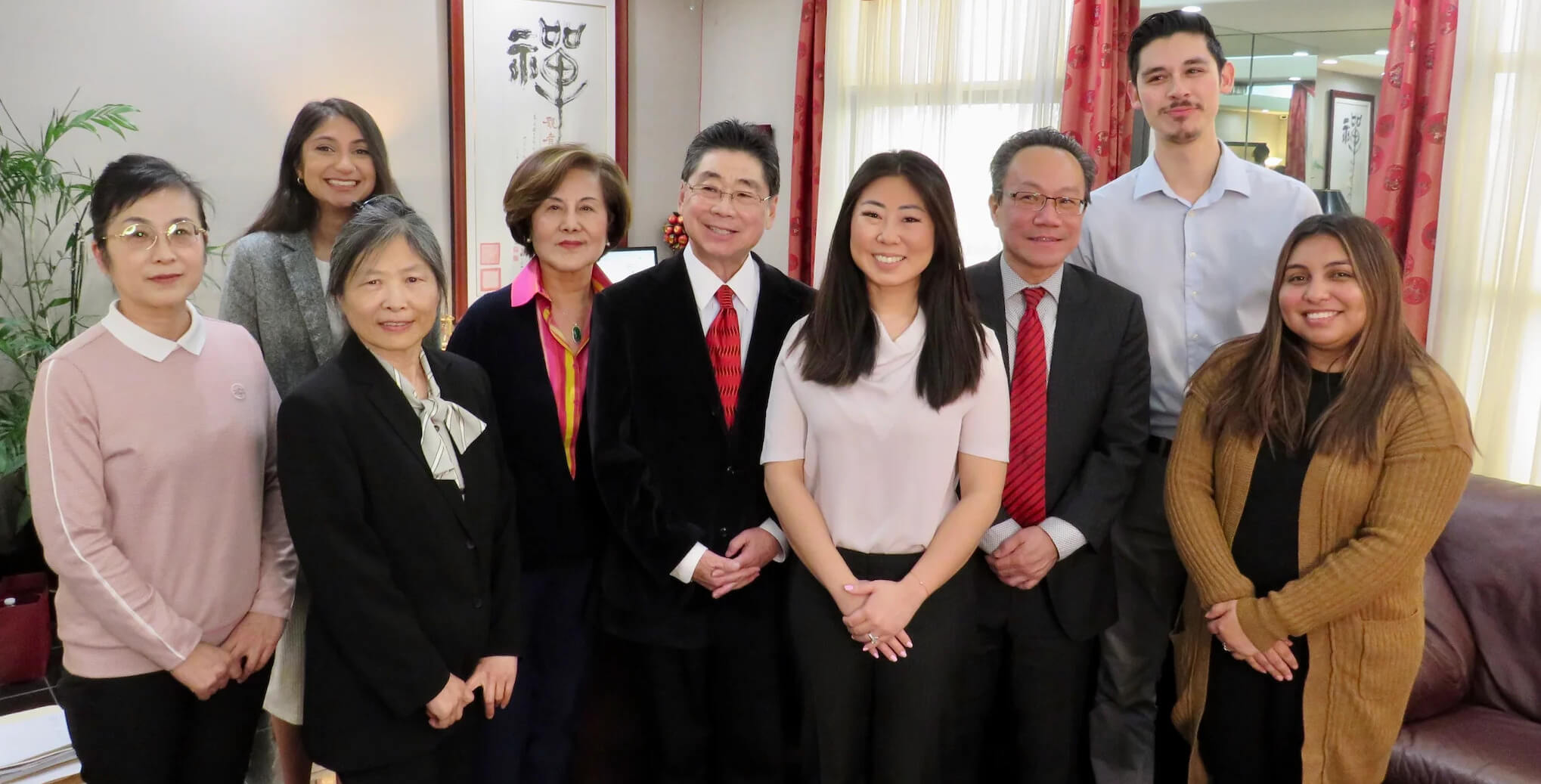
Why Choose Us?
-

Unmatched Expertise
Trust in Peter Chu's 75+ years of collective experience to guide you through complex immigration matters.
-

Tailored Solutions
Our personalized strategies adapt to your unique circumstances, ensuring we meet your specific immigration needs.
-

Proven Success
Benefit from our solid track record in achieving favorable outcomes in various immigration cases across San Diego.
-

Dedicated Service
Experience our client-first approach that ensures constant support and guidance throughout your immigration journey.


Get clear, expert legal guidance tailored to your visa, green card, or citizenship needs.

Inquire now to check if you qualify
Why Eastvale Researchers Choose Specialized EB-1B Immigration Counsel Over General Practice Attorneys
Not every immigration attorney understands the evidentiary nuances of EB-1B outstanding researcher petitions — many general practice immigration firms handle these cases identically to standard employment-based green cards, which leads to Requests for Evidence (RFEs) and denials. Here's the honest answer: the difference between approval and denial in an EB-1B case often comes down to how you frame "international recognition" and "original contributions" — two standards that require deep familiarity with how USCIS adjudicators interpret academic credentials versus industry research roles. Law office of Peter Darwin Chu limits its practice to employment-based and nonimmigrant visa categories, ensuring every EB-1B petition benefits from attorneys who have successfully argued these cases in similar research disciplines.
| Approach | General Immigration Firm | EB-1B Boutique Practice | Law office of Peter Darwin Chu | Professional Assessment |
|---|---|---|---|---|
| Evidence Strategy | Submits CV and publications without context | Includes citation analysis and peer review documentation | Builds comprehensive record with expert declarations, citation impact, and international adoption proof | Required — USCIS expects detailed proof of international acclaim |
| Two-Year Requirement Verification | Assumes any research position qualifies | Audits experience to confirm it meets |
Frequently Asked Questions
Find answers to common questions about our services
-
The EB-1B statute requires at least two years of teaching or research experience in your academic field before you can file — this is a hard statutory requirement under INA Section 203(b)(1)(B) that cannot be waived. If you are currently 18 months into a
-
Yes — USCIS adjudicators will verify that your employer meets the regulatory definition of a qualifying institution under 8 CFR 204.5(i)(3)(ii), which requires either accreditation as a U.S. university, classification as a private research institution wit
-
Absolutely — a prior denial does not bar refiling, but the new petition must address every deficiency identified in the original denial notice and present materially stronger evidence. In Eastvale EB-1B refiling cases, we obtain the complete USCIS adminis
-
USCIS adjudicators are not subject matter experts in your research field, which is why expert opinion letters and citation context are critical in highly specialized EB-1B petitions. For Eastvale researchers working in niche disciplines like computational
-
USCIS processing times for EB-1B petitions in 2026 average 14–18 months under standard processing, or 6–9 months if you elect Premium Processing for an additional $2,805 fee. Premium Processing guarantees a decision within 45 calendar days but does not gu
-
EB-1A is for individuals of extraordinary ability who self-petition without employer sponsorship, while EB-1B requires a permanent job offer from a qualifying U.S. employer and is limited to outstanding researchers and professors. EB-1A has a higher evide
-
Yes — your spouse and unmarried children under age 21 qualify for derivative E-14 and E-15 immigrant visa status once your EB-1B I-140 petition is approved. They can apply for adjustment of status simultaneously with you if they are already in the United
-
No — EB-1B petitions are exempt from the PERM labor certification requirement that applies to EB-2 and EB-3 employment-based green cards. This exemption significantly accelerates the timeline, as PERM labor certification typically adds 12–18 months to the
-
USCIS requires at least two of the following six regulatory criteria: published material in professional publications about your work, evidence of participation as a peer reviewer for scholarly journals or manuscripts, evidence of original scientific or s
-
Once your EB-1B I-140 petition is approved, you may port your priority date to a new employer under the American Competitiveness in the Twenty-First Century Act (AC21), provided the I-140 has been approved for at least 180 days and you have filed an adjus
Need Personalized Immigration Guidance?

