
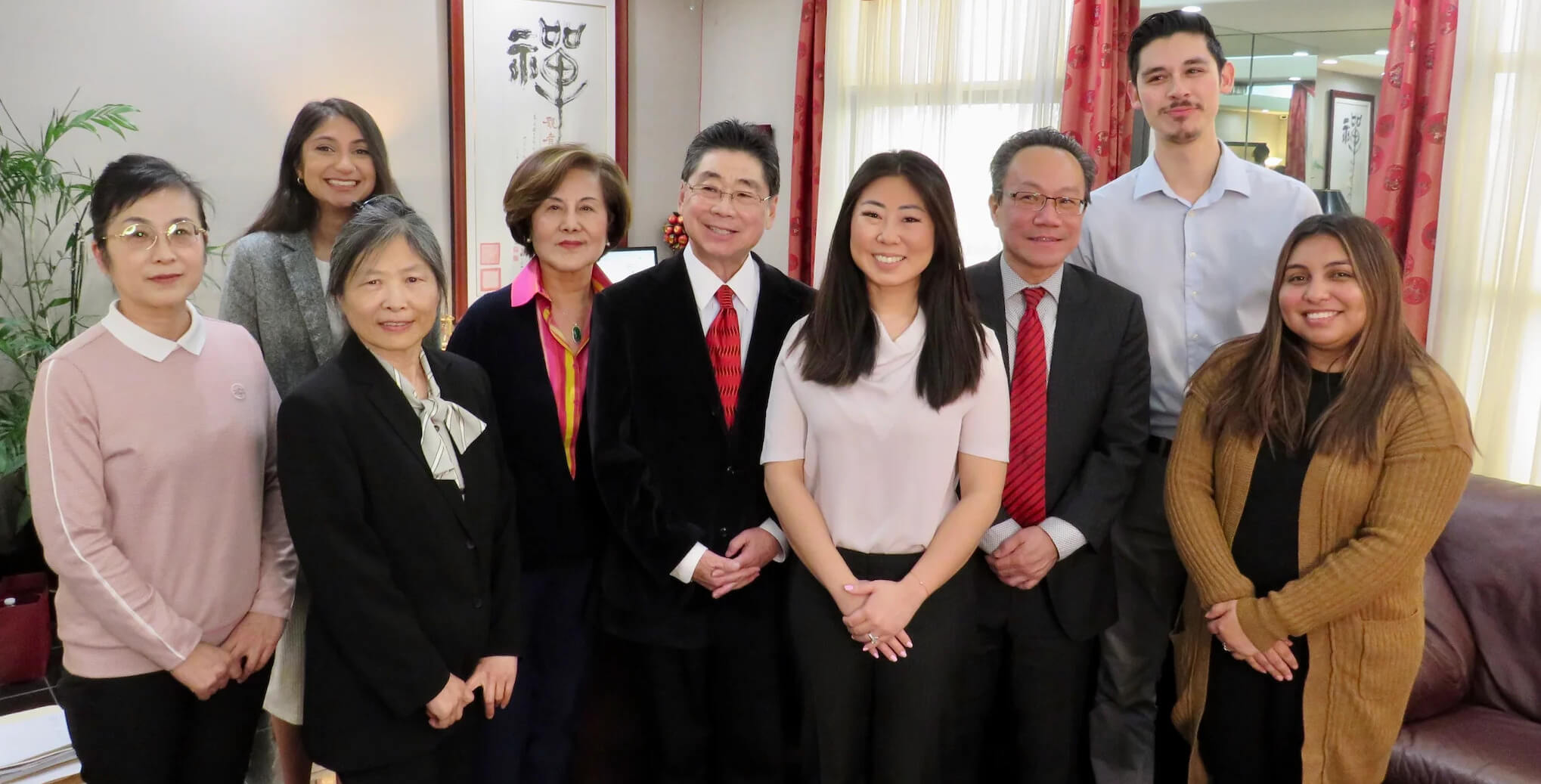
Why Choose Us?
-

Unmatched Expertise
Trust in Peter Chu's 75+ years of collective experience to guide you through complex immigration matters.
-

Tailored Solutions
Our personalized strategies adapt to your unique circumstances, ensuring we meet your specific immigration needs.
-

Proven Success
Benefit from our solid track record in achieving favorable outcomes in various immigration cases across San Diego.
-

Dedicated Service
Experience our client-first approach that ensures constant support and guidance throughout your immigration journey.


Get clear, expert legal guidance tailored to your visa, green card, or citizenship needs.

Inquire now to check if you qualify
Choosing an Immigration Lawyer Hesperia vs. Filing EB-1B Pro Se
Hesperia researchers evaluating EB-1B representation face three paths: self-filing (pro se), online petition mills offering template services, or substantive immigration counsel with EB-1B case experience. Here's the honest answer: USCIS does not require attorney representation, but EB-1B petitions are evidence-intensive — the average approved petition includes 300–500 pages of exhibits, 6–8 independent reference letters, and field-specific citation analysis. Template services provide forms but no evidentiary strategy; pro se filers often under-document international recognition or fail to structure the permanence argument correctly. Law office of Peter Darwin Chu provides case-specific research impact analysis, employer letter drafting, and reference letter coordination — the three areas where self-filed petitions most commonly fail.
| Approach | Evidentiary Strategy | Citation Analysis | RFE Response | Bottom Line |
|---|---|---|---|---|
| Pro Se Filing | Template-based exhibits | Self-reported metrics | Limited rebuttal capacity | High risk for under-documentation |
| Online Petition Services | Generic reference letter templates | No field adjustment | No RFE support included | Forms without strategy |
| Law office of Peter Darwin Chu | Field-specific impact documentation | Expert citation benchmarking | Substantive RFE response with supplemental evidence | Hesperia researchers gain evidentiary depth and adjudication experience |
Frequently Asked Questions
Find answers to common questions about our services
-
California Service Center EB-1B processing times averaged 8–12 months in 2025 for standard processing, though premium processing (15-day adjudication for an additional $2,805 fee) is available for Form I-140 petitions. Once the I-140 is approved, adjustme
-
Yes — EB-1B petitions do not require a specific underlying visa status, and H-1B holders frequently transition to EB-1B permanent residency. Filing EB-1B does not affect your H-1B status, and approval of the I-140 petition allows you to extend your H-1B b
-
EB-1B requires a permanent research position offer and proof of international recognition in a specific academic field under two of six regulatory criteria. EB-1A (extraordinary ability) requires sustained national or international acclaim under three of
-
No — EB-1B petitions are exempt from PERM labor certification under INA Section 203(b)(1). Your employer files Form I-140 directly with USCIS without Department of Labor prevailing wage determination or recruitment. This exemption accelerates the green ca
-
International recognition under 8 CFR 204.5(i)(3)(i) requires at least two of six criteria: major prizes or awards for outstanding achievement, membership in associations requiring outstanding achievement, published material about your work in professiona
-
Yes — your spouse and unmarried children under 21 qualify as derivative beneficiaries under E-14 and E-15 visa classifications. They can file adjustment of status (Form I-485) concurrently with your I-140 approval or follow-to-join through consular proces
-
EB-1B attorney fees vary by case complexity, typically ranging from $8,000 to $15,000 for petition preparation, employer letter coordination, evidentiary exhibit compilation, and one RFE response if issued. Government filing fees include $700 for Form I-1
-
A denied I-140 petition can be appealed to the USCIS Administrative Appeals Office within 30 days, though appeal success rates are low. Most denied cases are better addressed by filing a new petition with strengthened evidence — additional citations, revi
Need Personalized Immigration Guidance?

