
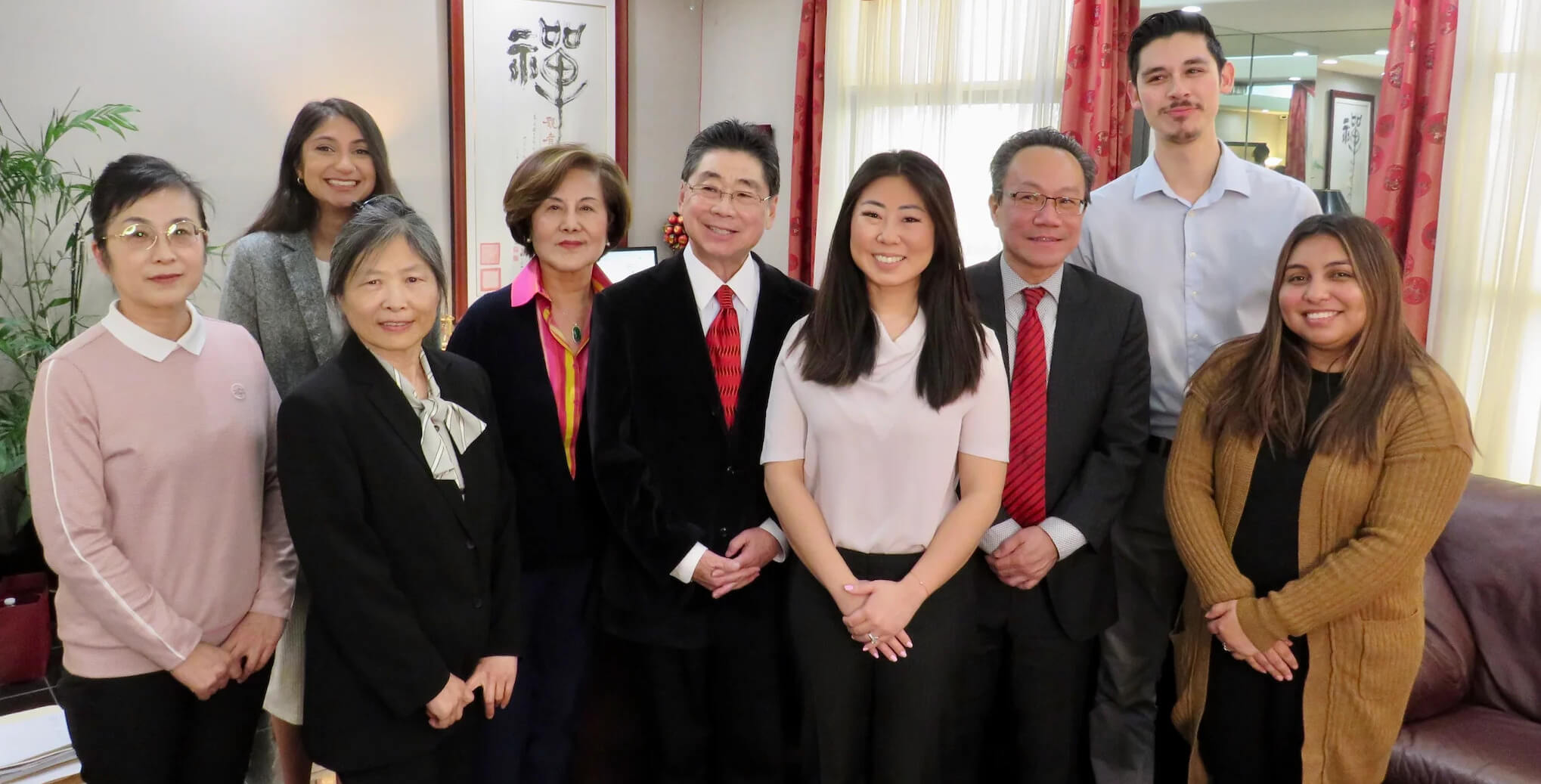
Why Choose Us?
-

Unmatched Expertise
Trust in Peter Chu's 75+ years of collective experience to guide you through complex immigration matters.
-

Tailored Solutions
Our personalized strategies adapt to your unique circumstances, ensuring we meet your specific immigration needs.
-

Proven Success
Benefit from our solid track record in achieving favorable outcomes in various immigration cases across San Diego.
-

Dedicated Service
Experience our client-first approach that ensures constant support and guidance throughout your immigration journey.


Get clear, expert legal guidance tailored to your visa, green card, or citizenship needs.

Inquire now to check if you qualify
Choosing Between DIY Filing, Corporate Immigration Counsel, and Independent EB-1B Representation
Many Mission Viejo researchers attempt EB-1B petitions without legal counsel, relying on employer human resources departments or online petition templates. Others use corporate immigration law firms retained by their employer. Here's the honest answer: corporate immigration counsel represents the employer's interests, not yours. If your petition is denied, the firm has no obligation to file a Motion to Reopen or appeal—they simply advise the employer to withdraw the case. Independent representation ensures your attorney's duty is to you, not the sponsoring institution, and that denial triggers strategic review rather than case closure.
| Approach | Evidence Strategy | RFE Response | Cost Structure | Professional Assessment |
|---|---|---|---|---|
| DIY Filing | Generic template, no legal standard calibration | No counsel available | $0 attorney fees, $700 USCIS filing fee | High denial risk—USCIS data shows pro se EB-1 denial rates exceed 60% |
| Corporate Immigration Firm | Employer-focused, minimal customization | RFE response contingent on employer approval | Employer pays—researcher has no control | Conflict of interest—attorney represents employer, not researcher |
| Independent EB-1B Counsel | Researcher-focused, maximized evidence presentation | Aggressive RFE response, appeal option available | $4,500–$8,500 attorney fees + filing costs | Aligned incentives—attorney's duty is to researcher's approval, not employer convenience |
Frequently Asked Questions
Find answers to common questions about our services
-
EB-1B petition processing through USCIS California Service Center averages 6–10 months under standard processing, though premium processing (15-day adjudication) is available for an additional $2,805 fee. Mission Viejo researchers should add 2–3 months fo
-
Attorney fees for EB-1B outstanding researcher petitions range from $4,500 to $8,500 depending on case complexity, number of publications requiring analysis, and whether RFE response is anticipated. USCIS filing fees are $700 for the I-140 petition, plus
-
Yes. The EB-1B statute explicitly allows 'permanent research positions' in either academic institutions or private employers, provided the employer employs at least three full-time researchers and has documented achievements in the field. A Mission Viejo
-
If USCIS denies your I-140 petition, you have three options: (1) file a Motion to Reopen or Motion to Reconsider within 30 days, presenting new evidence or legal arguments; (2) file a new I-140 petition under a different classification (e.g., EB-1A or EB-
-
Yes. Unlike EB-1A extraordinary ability, the EB-1B classification requires a permanent research position offer from a qualifying U.S. employer. The offer letter must specify the position is permanent (no defined end date), describe the research duties, an
-
Your spouse and unmarried children under 21 are eligible for derivative EB-1 status and will receive green cards simultaneously with your approval, provided they are included in the initial I-140 petition or adjustment of application. They do not need to
-
EB-1A extraordinary ability does not require a job offer or employer sponsorship, while EB-1B outstanding researcher requires both. EB-1A has a higher evidentiary standard (extraordinary ability versus outstanding researcher) but offers more flexibility f
-
USCIS does not specify a minimum publication count—the standard is 'authorship of scholarly articles in the field' demonstrating sustained recognition. Most successful EB-1B petitions include 8–15 peer-reviewed publications with measurable citation impact
Need Personalized Immigration Guidance?

