
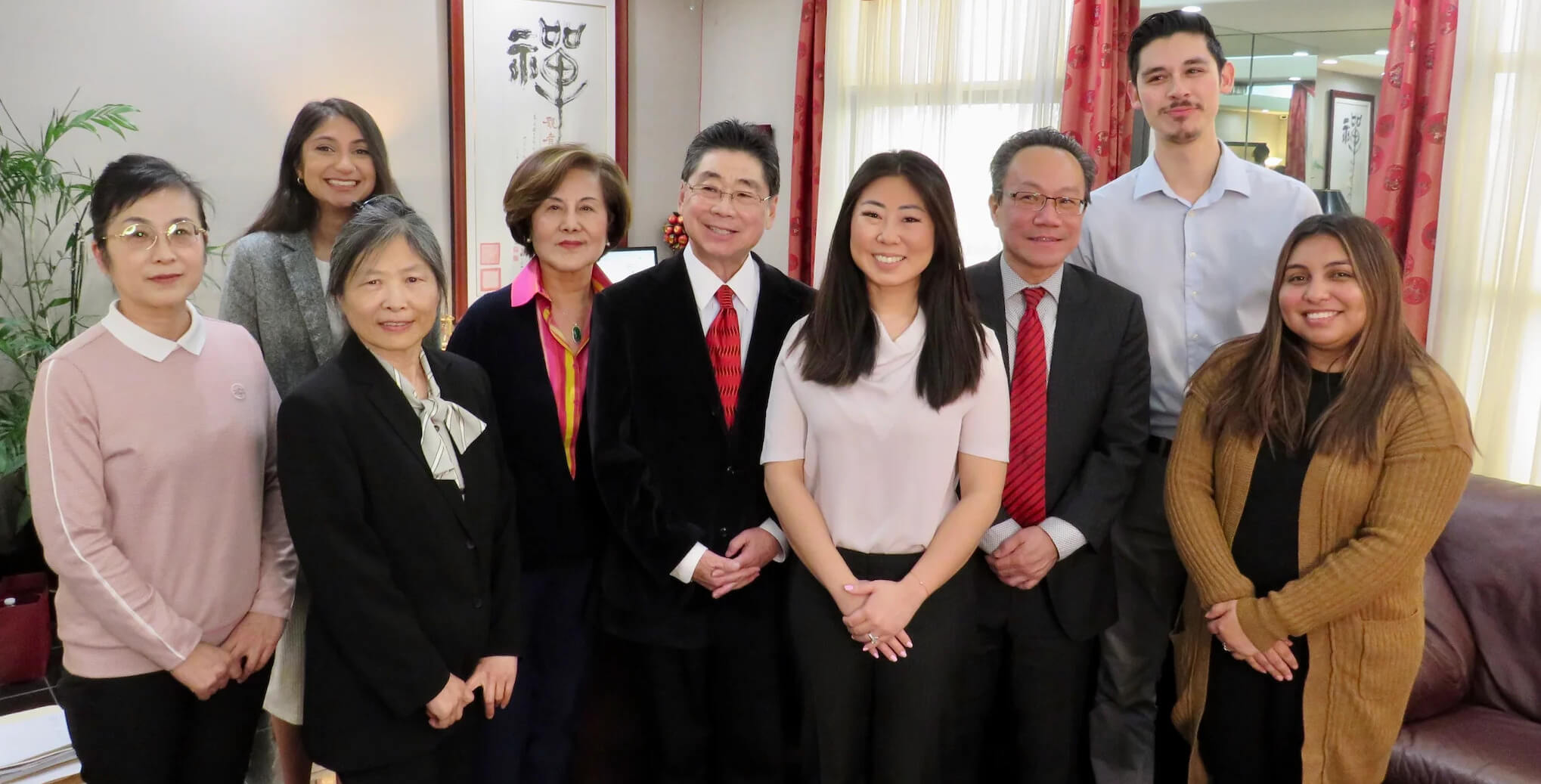
Why Choose Us?
-

Unmatched Expertise
Trust in Peter Chu's 75+ years of collective experience to guide you through complex immigration matters.
-

Tailored Solutions
Our personalized strategies adapt to your unique circumstances, ensuring we meet your specific immigration needs.
-

Proven Success
Benefit from our solid track record in achieving favorable outcomes in various immigration cases across San Diego.
-

Dedicated Service
Experience our client-first approach that ensures constant support and guidance throughout your immigration journey.


Get clear, expert legal guidance tailored to your visa, green card, or citizenship needs.

Inquire now to check if you qualify
Comparing Your EB-1B Representation Options in Nashville
Nashville researchers pursuing EB-1B classification typically consider three paths: filing without attorney assistance, engaging a general immigration practitioner, or retaining an attorney with concentrated employment-based petition experience. Here's the honest answer: EB-1B petitions require evidence structuring under USCIS's sustained recognition standard and the three-year experience requirement—standards that are interpretation-dependent and adjudicator-variable. A petition that merely lists your publications and citations without explaining their significance in the field, or that fails to address how your evidence satisfies two of the six regulatory criteria, will likely result in an RFE or denial. Law office of Peter Darwin Chu structures every EB-1B petition with detailed evidentiary briefs, expert letters, and citation analysis demonstrating recognition beyond your immediate collaborators.
| Approach | Timeline | Evidence Quality | RFE Risk | Professional Assessment |
|---|---|---|---|---|
| Self-Filed Petition | 4–6 months | Unstructured lists of achievements | High — 40%+ RFE rate for pro se filers | May succeed for faculty with 200+ citations and clear recognition — risky for researchers with borderline evidence |
| General Immigration Attorney | 3–5 months | Standard template forms | Moderate — depends on attorney's EB-1B experience | Acceptable if attorney has filed 20+ EB petitions — verify their employment-based experience before engagement |
| Specialized EB Immigration Counsel | 2–4 months | Detailed evidentiary briefs, expert letters, citation analysis | Low — structured evidence packets address criteria directly | Optimal for researchers with 50–150 citations or faculty at institutions without established EB-1B filing history |
Frequently Asked Questions
Find answers to common questions about our services
-
USCIS processing times for Form I-140 EB-1B petitions filed under the Tennessee Service Center jurisdiction average 4.5–7.5 months as of March 2026, though premium processing (Form I-907) guarantees 15-calendar-day adjudication for an additional $2,805 fe
-
EB-1B petitions require evidence satisfying at least two of six regulatory criteria under 8 CFR § 204.5(i)(3)(i): published scholarly articles, authorship of books or chapters, judging the work of others, original contributions of major significance, memb
-
Yes—EB-1B classification applies to both outstanding researchers and outstanding professors, and teaching-focused faculty can qualify if they demonstrate recognition in their academic field through published scholarship, curriculum development, or pedagog
-
EB-1B requires employer sponsorship, three years of experience, and evidence of sustained recognition in your field—but does not require labor certification. EB-2 National Interest Waiver (NIW) allows self-petitioning without employer sponsorship, but req
-
Yes—EB-1B classification requires a permanent or indefinite job offer from a qualifying employer (university, governmental research organization, or private employer with a permanent research division). The employer must file Form I-140 on your behalf and
-
USCIS does not publish a minimum citation threshold for EB-1B approval—adjudicators evaluate whether your citation record demonstrates sustained national or international recognition relative to your field and career stage. Nashville researchers in compet
-
Yes—co-authored publications are acceptable evidence for EB-1B petitions, and most scholarly work in research fields is collaborative. However, USCIS will evaluate your individual contribution to co-authored papers, particularly if you are not the first o
-
If your sponsoring employer withdraws your Form I-140 petition before approval, the petition is considered abandoned and USCIS will not adjudicate it. However, if the I-140 is already approved and has been approved for at least 180 days, the approval rema
Need Personalized Immigration Guidance?

