
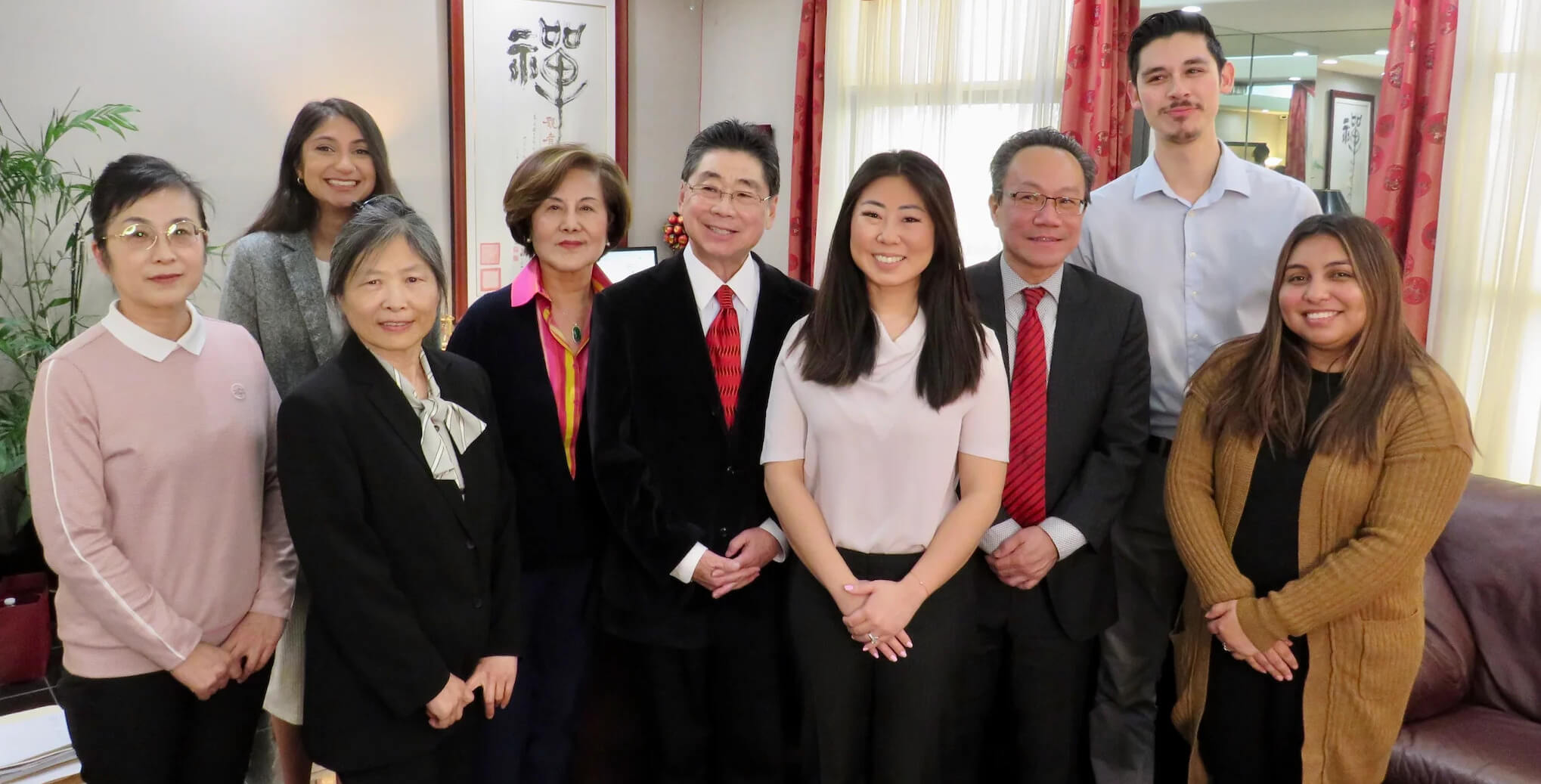
Why Choose Us?
-

Unmatched Expertise
Trust in Peter Chu's 75+ years of collective experience to guide you through complex immigration matters.
-

Tailored Solutions
Our personalized strategies adapt to your unique circumstances, ensuring we meet your specific immigration needs.
-

Proven Success
Benefit from our solid track record in achieving favorable outcomes in various immigration cases across San Diego.
-

Dedicated Service
Experience our client-first approach that ensures constant support and guidance throughout your immigration journey.


Get clear, expert legal guidance tailored to your visa, green card, or citizenship needs.

Inquire now to check if you qualify
How EB-1B Representation in Palo Alto Compares to Other Immigration Pathways
Researchers and professors in Palo Alto frequently evaluate three pathways to permanent residency: EB-1B outstanding researcher, EB-2 National Interest Waiver (NIW), and standard EB-2 or EB-3 employer-sponsored PERM labor certification. Each has distinct credential thresholds, processing timelines, and employer involvement requirements.
Here's the honest answer: EB-1B is faster and more predictable than PERM labor certification for qualified researchers because it bypasses the Department of Labor's recruitment process — but it requires significantly stronger evidence of international recognition than EB-2 NIW. If your citation count exceeds 500, you have published in top-tier journals, and you hold a permanent research position, EB-1B is almost always the superior choice. If your credentials are strong but not yet 'outstanding,' filing EB-2 NIW as a fallback while building your EB-1B evidence portfolio is the strategic approach we recommend during consultations.
| Pathway | Employer Sponsorship Required | Processing Timeline | Evidence Threshold | Professional Assessment |
|---|---|---|---|---|
| EB-1B Outstanding Researcher | Yes — permanent position | 6–12 months (premium available) | High — 3 of 6 criteria | Best for tenured faculty and senior researchers with 500+ citations |
| EB-2 National Interest Waiver | No — self-petitioned | 12–18 months | Moderate — national importance | Fallback if EB-1B evidence is incomplete |
| EB-2/EB-3 PERM Labor Cert | Yes — recruitment required | 18–36 months | Low — degree + experience | Slowest; avoidable for qualified researchers |
Frequently Asked Questions
Find answers to common questions about our services
-
Standard I-140 processing through USCIS California Service Center averages 6–9 months from filing to approval decision. Premium processing — available for an additional $2,805 government fee — guarantees a decision within 15 business days, though it does
-
Attorney fees for complete EB-1B petition preparation typically range from $8,000 to $15,000 depending on case complexity, evidence volume, and whether RFE response is required. This does not include the $700 USCIS I-140 filing fee or optional $2,805 prem
-
Yes, if your employer is a private research institution or company with a dedicated research division that employs at least three full-time researchers and has documented achievements in the field. USCIS regulations at 8 CFR 204.5(i)(2) define qualifying
-
You must satisfy at least three of six criteria: receipt of major prizes or awards, membership in associations requiring outstanding achievement, published material about you in professional media, participation as a judge of others' work, original scient
-
Yes, you can file the EB-1B petition, but you cannot adjust status to permanent residency until you either fulfill the two-year requirement, obtain a waiver under INA Section 212(e), or change to a different nonimmigrant status not subject to the restrict
-
If your employer withdraws the I-140 petition before approval, USCIS will deny it and you must seek sponsorship from a new qualifying employer. If the petition is already approved but your employer revokes it before you adjust status, the approval remains
-
No — citation metrics support the 'original contributions' criterion, but they do not satisfy it alone. USCIS requires qualitative evidence that your work has been influential — independent expert letters explaining how your research advanced the field, a
-
Yes — all prior achievements count toward meeting the three-of-six criteria, regardless of when or where they occurred. Your postdoctoral publications, awards, and peer review activity at Stanford or other institutions strengthen your evidence portfolio e
Need Personalized Immigration Guidance?

