
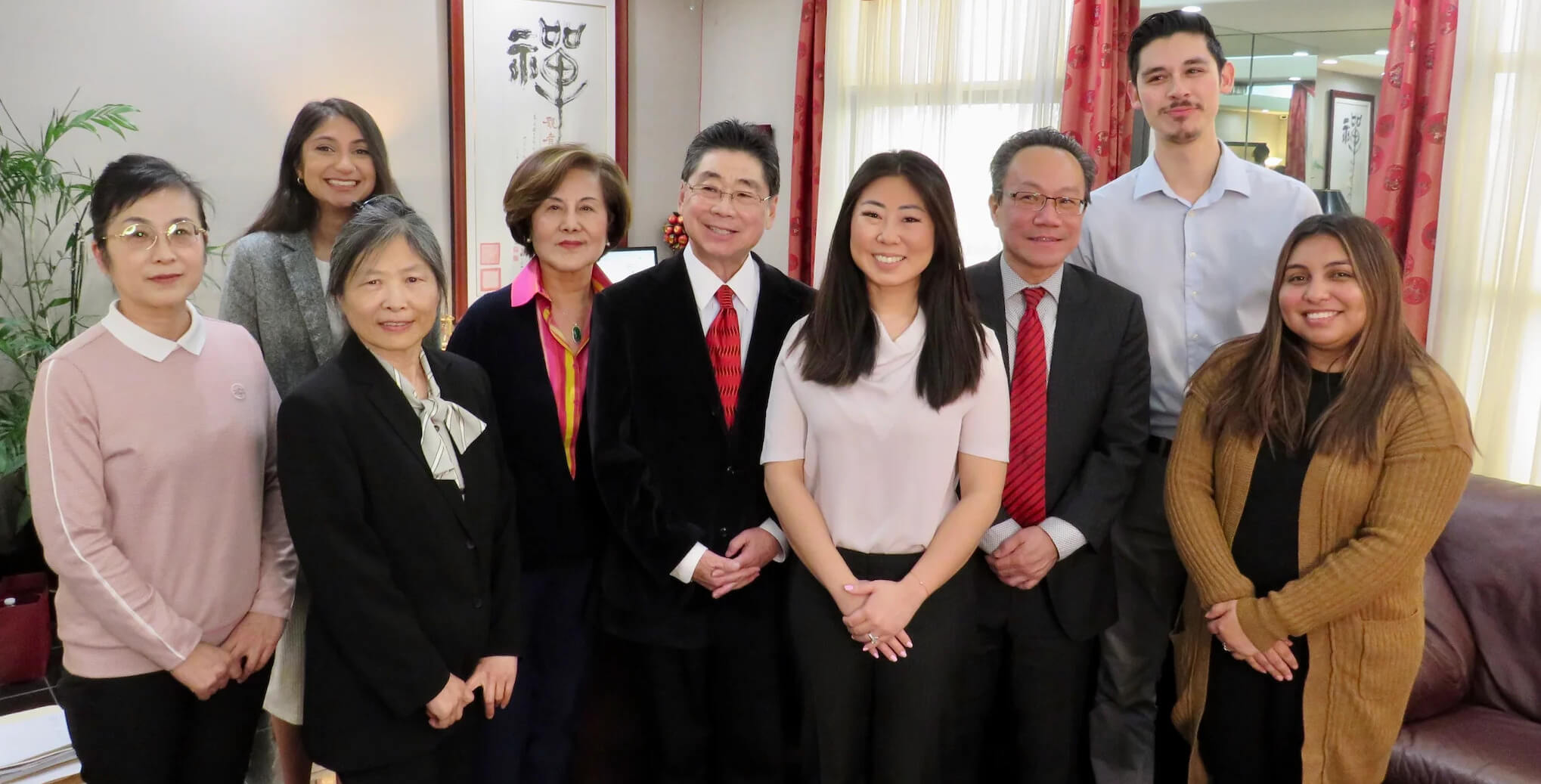
Why Choose Us?
-

Unmatched Expertise
Trust in Peter Chu's 75+ years of collective experience to guide you through complex immigration matters.
-

Tailored Solutions
Our personalized strategies adapt to your unique circumstances, ensuring we meet your specific immigration needs.
-

Proven Success
Benefit from our solid track record in achieving favorable outcomes in various immigration cases across San Diego.
-

Dedicated Service
Experience our client-first approach that ensures constant support and guidance throughout your immigration journey.


Get clear, expert legal guidance tailored to your visa, green card, or citizenship needs.

Inquire now to check if you qualify
Comparing Your EB-1B Options in Pittsburgh
Researchers pursuing permanent residency typically choose between EB-1B outstanding researcher petitions, EB-2 National Interest Waiver (NIW) petitions, and employer-sponsored PERM labor certification leading to EB-2 or EB-3 classification. Here's the honest answer: EB-1B is the fastest route for researchers with institutional employers, but only if both you and your employer qualify under the regulatory definitions. PERM requires 6–12 months of recruitment advertising and Department of Labor approval before filing the immigrant petition, adding significant delay. NIW allows self-petition without employer sponsorship but requires proving your work benefits the United States as a whole, a higher burden than EB-1B's field-specific outstanding achievement standard.
| Option | Employer Required | Timeline | Evidence Threshold | Professional Assessment |
|---|---|---|---|---|
| EB-1B Outstanding Researcher | Yes — must qualify under 8 CFR 204.5(i)(2) | 6–12 months (no PERM) | International recognition + 2 of 6 criteria | Best for university/hospital researchers with qualifying employer |
| EB-2 NIW | No (self-petition) | 12–18 months | National interest + substantial merit | Best if employer won't sponsor or you plan to change employers |
| PERM + EB-2/EB-3 | Yes | 18–30 months | Prevailing wage + recruitment | Slowest option — only if EB-1B evidence insufficient |
| EB-1A Extraordinary Ability | No (self-petition) | 6–12 months (no PERM) | Sustained national/international acclaim | Higher bar than EB-1B — typically requires major prizes or media coverage |
The Law Office of Peter Darwin Chu evaluates which category fits your current evidence profile and employment situation during the initial consultation, ensuring you pursue the pathway most likely to succeed without unnecessary delay or cost.
Frequently Asked Questions
Find answers to common questions about our services
-
EB-1B petition processing at USCIS Nebraska or Texas Service Centers typically takes 6–12 months from filing to decision. Pennsylvania filers can request Premium Processing (Form I-907) for 15-day adjudication at an additional $2,500 fee. Once the I-140 p
-
EB-1B legal fees in Pittsburgh typically range from $8,000 to $15,000 depending on case complexity, number of expert letters required, and whether Premium Processing is used. Government filing fees add approximately $700 (Form I-140) plus $1,140–$1,440 (F
-
Yes, private employers qualify for EB-1B sponsorship if they meet the regulatory definition of a 'private research organization' under 8 CFR 204.5(i)(2) — meaning they employ at least three full-time researchers and have documented achievements in researc
-
EB-1A is a self-petition based on 'extraordinary ability' and does not require employer sponsorship, while EB-1B requires a qualifying institutional employer but has a lower evidentiary threshold of 'outstanding' achievement. EB-1A requires three of ten c
-
Yes, EB-1B petitions require a permanent or indefinite research position offer from a qualifying employer. The employer is the petitioner filing Form I-140 on your behalf — this is not a self-petition. The offer letter must specify the position is permane
-
Yes, there is no minimum publication count in the regulations — quality and impact matter more than quantity. Researchers with 5–7 highly cited papers in top-tier journals often receive approval if their citation metrics are strong (h-index of 8+, total c
-
If your I-140 petition is denied, you receive a written denial notice explaining the specific deficiencies in your evidence. You have three options: file a motion to reopen or reconsider (within 30 days), file an appeal with the USCIS Administrative Appea
-
Yes, your spouse and unmarried children under 21 qualify for derivative E-14 status and receive green cards simultaneously with your approval. They can file adjustment of status (Form I-485) as dependents on your approved I-140 petition. Derivative benefi
Need Personalized Immigration Guidance?

