
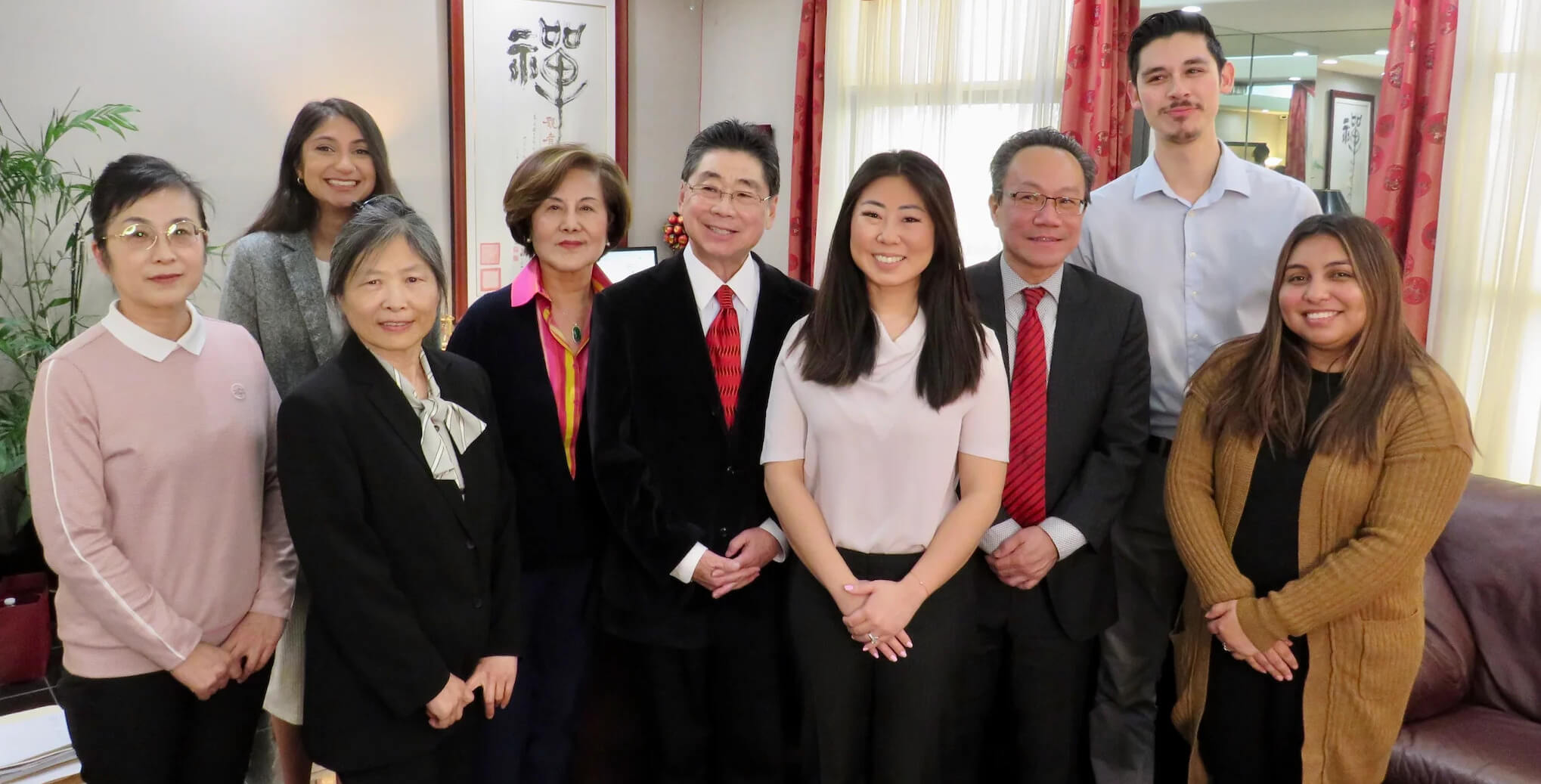
Why Choose Us?
-

Unmatched Expertise
Trust in Peter Chu's 75+ years of collective experience to guide you through complex immigration matters.
-

Tailored Solutions
Our personalized strategies adapt to your unique circumstances, ensuring we meet your specific immigration needs.
-

Proven Success
Benefit from our solid track record in achieving favorable outcomes in various immigration cases across San Diego.
-

Dedicated Service
Experience our client-first approach that ensures constant support and guidance throughout your immigration journey.


Get clear, expert legal guidance tailored to your visa, green card, or citizenship needs.

Inquire now to check if you qualify
EB-1B Lawyer Placentia vs. General Immigration Practitioners
Not every immigration attorney has substantive experience with employment-based first preference petitions. Here's the honest answer: EB-1B cases require technical fluency in the researcher's field, familiarity with citation metrics and peer review norms, and the ability to draft legal briefs that translate research impact into regulatory language USCIS adjudicators understand. General practitioners who handle family-based petitions, adjustment of status, and deportation defense may lack the specialized knowledge required to evaluate whether a researcher's profile meets the 'outstanding' threshold or how to structure evidence when publications are few but citations are strong.
| Approach | EB-1B Specialist (Law office of Peter Darwin Chu) | General Immigration Firm | DIY Filing | Bottom Line |
|---|---|---|---|
| Case Evaluation | Field-specific citation analysis, credential mapping to 8 CFR criteria | Generic checklist review | Self-assessment using online guides | Only specialists benchmark your profile against actual approval patterns in your discipline |
| Petition Drafting | Detailed legal brief with independent expert support letters | Form completion with minimal narrative | Template-based I-140 filing | USCIS expects a persuasive legal argument, not just a form |
| RFE Response | Supplemental evidence, expert declarations, comparative field analysis within 84 days | Standard reply letter without new evidence strategy | Delayed or incomplete response | RFE response quality determines whether the case survives scrutiny |
| Fee Structure | Flat fee quoted after case assessment, includes RFE response | Hourly billing, RFE work billed separately | USCIS filing fee only ($700) | Transparent pricing prevents mid-case cost surprises |
Law office of Peter Darwin Chu limits our practice to employment-based immigrant and nonimmigrant visas, ensuring every EB-1B case is handled by an attorney who has filed dozens of outstanding researcher petitions and understands how USCIS evaluates research credentials in 2026.
Frequently Asked Questions
Find answers to common questions about our services
-
Standard I-140 processing through USCIS California Service Center averages 6–9 months as of early 2026. Premium processing (Form I-907) guarantees a decision within 15 business days for an additional $2,805 fee and is available for EB-1B petitions. Once t
-
Law office of Peter Darwin Chu charges a flat legal fee for EB-1B representation, typically ranging from $8,000 to $12,000 depending on case complexity, number of prior publications, and whether RFE response is anticipated. This fee includes petition draf
-
Yes. EB-1B outstanding researcher classification requires a permanent job offer from a qualifying employer — either a university, institution of higher education, or private employer with at least three full-time researchers and documented research achiev
-
Postdoctoral positions can qualify if the role is classified as permanent rather than temporary training. USCIS closely scrutinizes whether a postdoc offer meets the 'permanent or indefinite duration' requirement under 8 CFR 204.5(i)(2). In Placentia case
-
You must satisfy at least two of six regulatory criteria: authorship of scholarly publications, peer review service, original research contributions of major significance, awards for research excellence, membership in associations requiring outstanding ac
-
If USCIS denies the I-140, you can file a motion to reopen or reconsider within 30 days, or file an appeal to the Administrative Appeals Office within 30 days. Alternatively, you can file a new I-140 petition with strengthened evidence — there is no limit
-
Yes. Your spouse and unmarried children under 21 are eligible for derivative E-14 and E-15 status and can be included in your I-485 adjustment of status application once your I-140 is approved. They receive green cards on the same timeline as you, and the
-
We conduct field-specific citation benchmarking, secure independent expert declarations from researchers who can attest to your acclaim, and draft legal briefs that map your credentials to the exact regulatory language USCIS adjudicators apply under 8 CFR
Need Personalized Immigration Guidance?

