
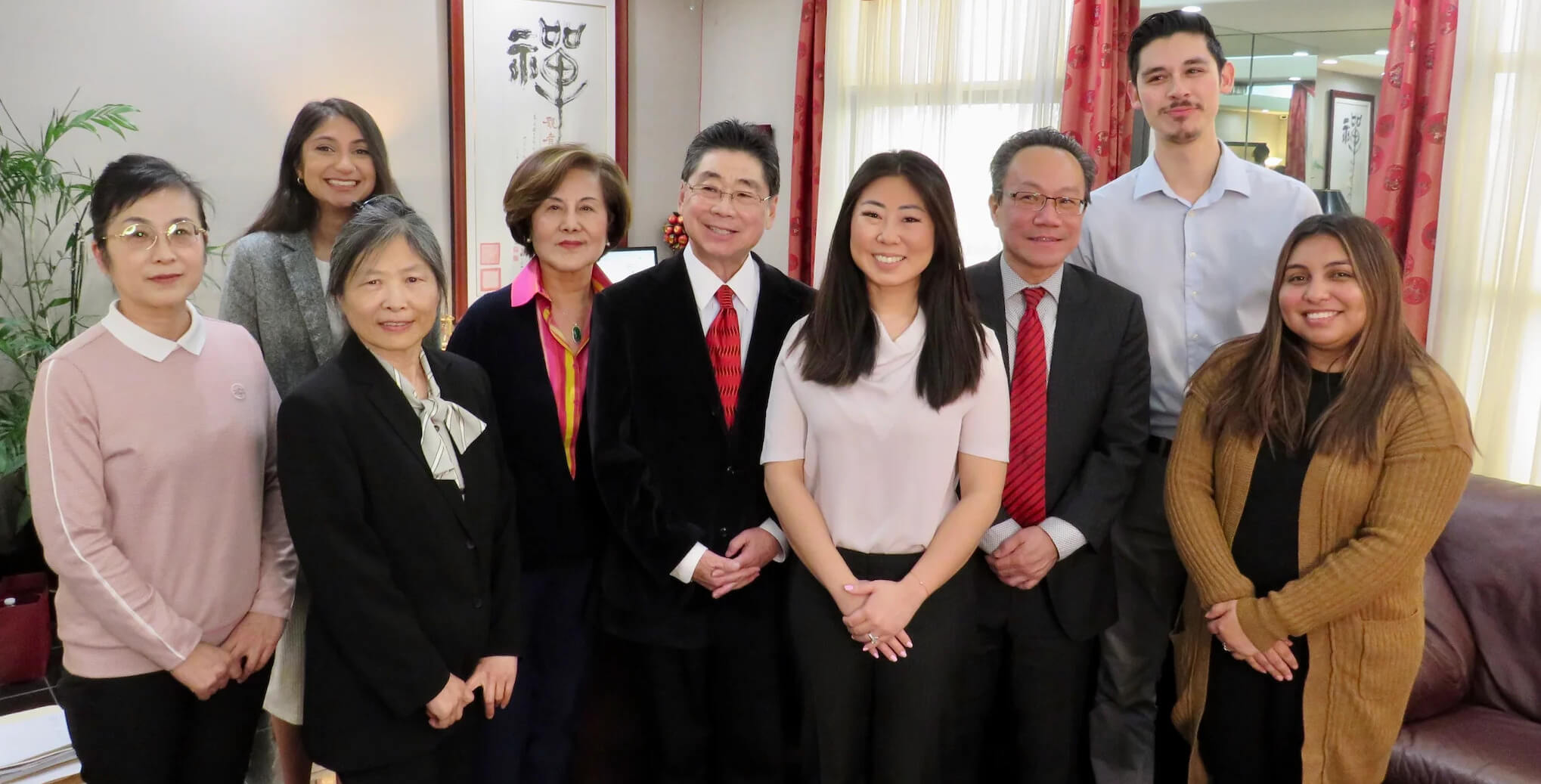
Why Choose Us?
-

Unmatched Expertise
Trust in Peter Chu's 75+ years of collective experience to guide you through complex immigration matters.
-

Tailored Solutions
Our personalized strategies adapt to your unique circumstances, ensuring we meet your specific immigration needs.
-

Proven Success
Benefit from our solid track record in achieving favorable outcomes in various immigration cases across San Diego.
-

Dedicated Service
Experience our client-first approach that ensures constant support and guidance throughout your immigration journey.


Get clear, expert legal guidance tailored to your visa, green card, or citizenship needs.

Inquire now to check if you qualify
EB-1B Lawyer vs. DIY Petition Filing vs. Non-Specialist Immigration Firm
Redwood City researchers considering EB-1B petitions face three filing options: self-preparation using USCIS form instructions, hiring a general immigration attorney unfamiliar with the outstanding researcher standard, or working with a firm that specializes in employment-based visa petitions for scientists and academics. Here's the honest answer: the EB-1B classification has the highest evidentiary standard of any employment-based green card category, and the legal brief explaining how your publications, citations, and institutional role satisfy the 'outstanding' threshold is more important than the supporting documents themselves. A DIY petition that lists your publications without explaining their significance in the field or demonstrating sustained acclaim will result in an RFE or denial regardless of how strong your CV appears. A non-specialist attorney may draft a generic brief that fails to address the specific regulatory criteria or misunderstands how USCIS interprets 'original contributions' in your research discipline. Law office of Peter Darwin Chu prepares EB-1B petitions exclusively for researchers and academics — we know how to frame computational biology publications differently than clinical trial authorship, and we understand which citation metrics USCIS values in different scientific fields.
| Filing Approach | Evidentiary Strategy | Legal Brief Quality | RFE Risk | Bottom Line |
|---|---|---|---|---|
| DIY Self-Filing | Document list without analysis | Generic or missing | High — 40–60% RFE rate | Suitable only for applicants with exceptionally strong records (e.g., Nature/Science first authorship, major awards). Most researchers underestimate the brief's importance. |
| General Immigration Firm | Standard I-140 template | Surface-level compliance | Moderate — unfamiliar with academic norms | May succeed for clear-cut cases but struggles to overcome marginal evidence or field-specific nuances. Often misprices complex cases. |
| EB-1B Specialist (Law Office of Peter Darwin Chu) | Field-specific citation analysis, expert letter strategy | Detailed regulatory argument tailored to research area | Low — proactive evidence development | Highest approval rate for cases with strong but not exceptional records. Worth the cost differential for researchers near the threshold. |
| Employer In-House Counsel | Dependent on counsel's immigration experience | Varies widely | Moderate to high | Free but quality inconsistent. University counsel often excellent; small biotech firms rarely have specialized expertise. |
Frequently Asked Questions
Find answers to common questions about our services
-
Processing timelines for EB-1B petitions filed from Redwood City depend on the USCIS service center jurisdiction and whether you request premium processing. Standard I-140 processing at California Service Center currently averages 6–9 months. Premium proc
-
Legal fees for EB-1B petition preparation typically range from $8,000 to $15,000 depending on case complexity, the volume of publications requiring analysis, and whether your employer's legal department will handle portions of the filing. Law office of Pe
-
Yes. The EB-1B classification is available to researchers employed by private companies, not just universities. The employer must meet the regulatory definition of a 'qualifying organization' — which includes private employers that employ at least three f
-
The EB-1B outstanding researcher classification requires institutional sponsorship (a permanent job offer from a qualifying employer) but has a slightly lower evidentiary standard than EB-1A. The EB-1A extraordinary ability classification allows self-peti
-
No. The EB-1B outstanding researcher classification is exempt from the PERM labor certification requirement, which saves 6–12 months of processing time and eliminates the risk of labor certification denial. Your employer must still provide a permanent job
-
A complete EB-1B petition includes: (1) your CV with full publication list, (2) copies of all published articles and citation reports from Google Scholar or Web of Science, (3) three to five recommendation letters from independent experts in your field wh
-
Yes. Your spouse and unmarried children under 21 are eligible for derivative green cards as EB-1B dependents. They can be included in your Form I-485 adjustment of status application if they are in the United States, or they can apply for immigrant visas
-
If your I-140 petition is denied, you have two options: (1) file a motion to reopen or reconsider with USCIS within 30 days of the denial, providing additional evidence or legal argument, or (2) file an appeal with the USCIS Administrative Appeals Office
Need Personalized Immigration Guidance?

