
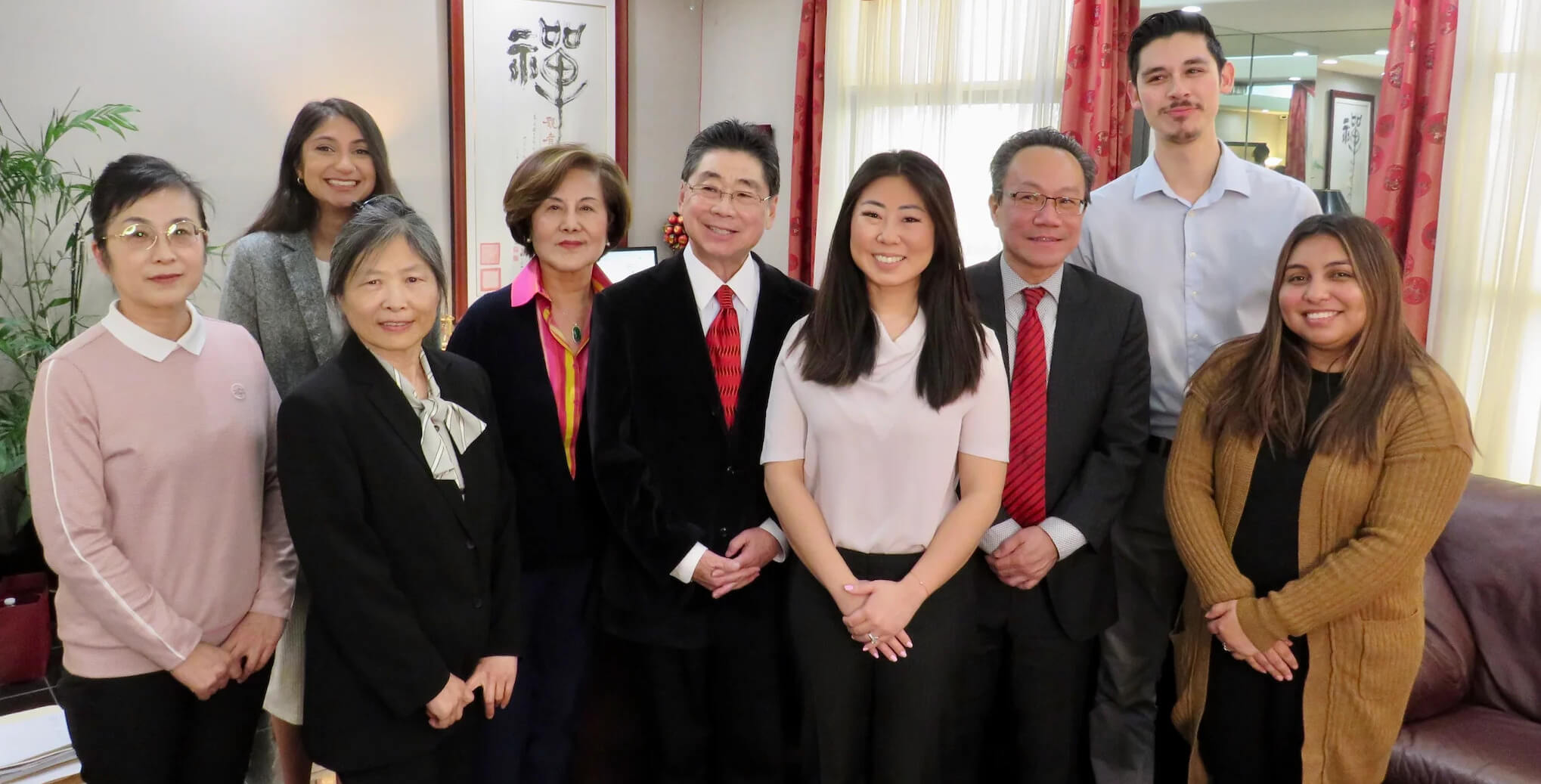
Why Choose Us?
-

Unmatched Expertise
Trust in Peter Chu's 75+ years of collective experience to guide you through complex immigration matters.
-

Tailored Solutions
Our personalized strategies adapt to your unique circumstances, ensuring we meet your specific immigration needs.
-

Proven Success
Benefit from our solid track record in achieving favorable outcomes in various immigration cases across San Diego.
-

Dedicated Service
Experience our client-first approach that ensures constant support and guidance throughout your immigration journey.


Get clear, expert legal guidance tailored to your visa, green card, or citizenship needs.

Inquire now to check if you qualify
Why Specialized Immigration Counsel Matters for San Juan Capistrano EB-1B Cases
Researchers considering EB-1B petitions face three primary paths: preparing a petition without legal help (pro se filing), hiring a general practice attorney with limited immigration experience, or engaging an immigration law firm focused on employment-based visas. Here's the honest answer: USCIS approval rates for EB-1 petitions vary significantly based on petition quality — well-documented cases with strong legal briefs and expert letters achieve approval rates exceeding 80%, while pro se filings and poorly structured petitions face RFE rates above 60% and denial rates near 35%, according to USCIS's own fiscal year 2025 data. The difference is not just legal knowledge — it's understanding which evidence USCIS adjudicators at the California Service Center prioritize, how to frame original contributions in language the agency recognizes, and when to cite Administrative Appeals Office precedent decisions that govern outstanding researcher classifications.
| Approach | Evidence Strategy | Legal Brief Quality | RFE Response Capability | Bottom Line |
|---|---|---|---|
| Pro Se Filing | Template-based, generic | None or minimal | Limited — no legal training | High risk — works only for top-tier cases with overwhelming evidence |
| General Practice Attorney | Basic compliance, no niche focus | Standard immigration brief | Reactive — may lack EB-1B-specific precedent knowledge | Moderate risk — acceptable for straightforward cases, risky for borderline qualifications |
| Immigration Specialist (Law office of Peter Darwin Chu) | Tailored to field-specific standards, citation analysis, expert letter coordination | Detailed legal argument citing Kazarian, AAO decisions, and field norms | Proactive and precedent-based — addresses likely objections before filing | Lowest risk — structured for approval, equipped to handle RFEs and NOIDs with legal precision |
Frequently Asked Questions
Find answers to common questions about our services
-
Standard processing for EB-1B petitions filed at the California Service Center ranges from 5 to 10 months, though timelines fluctuate based on USCIS caseload and whether the petition receives a Request for Evidence. Premium Processing Service (Form I-907,
-
No, EB-1B petitions are exempt from the PERM Labor Certification process that EB-2 and EB-3 cases require, which is one of the category's primary advantages. You do not need to prove that no qualified US workers are available for the research position, an
-
Yes, your spouse and unmarried children under 21 can apply for derivative green cards as EB-1B dependents under the same priority date as your approved I-140 petition. They will receive the same immigrant visa category and do not need separate employer sp
-
EB-1B outstanding researcher classification requires employer sponsorship and a permanent job offer, while EB-1A extraordinary ability classification allows self-petition with no employer requirement. EB-1A has a higher evidentiary standard — you must dem
-
USCIS requires documentation satisfying at least two of six regulatory criteria under 8 CFR 204.5(i)(3)(i): (1) major prizes or awards for excellence, (2) membership in associations requiring outstanding achievements, (3) published material in professiona
-
Once your I-140 is approved and you file Form I-485 (Adjustment of Status), you can invoke AC21 portability to change employers after 180 days without losing your green card eligibility — provided the new job is in the same or a similar occupational class
-
A Request for Evidence means USCIS needs additional documentation or clarification before making a decision — it is not a denial. Common RFE topics include insufficient proof of international recognition (asking for more citations, expert letters, or evid
-
EB-1B falls under the EB-1 employment-based first preference category, which receives approximately 40,000 visa numbers per year across all three subcategories (EB-1A, EB-1B, and EB-1C). As of 2026, EB-1 remains current for most countries, meaning approve
Need Personalized Immigration Guidance?

