
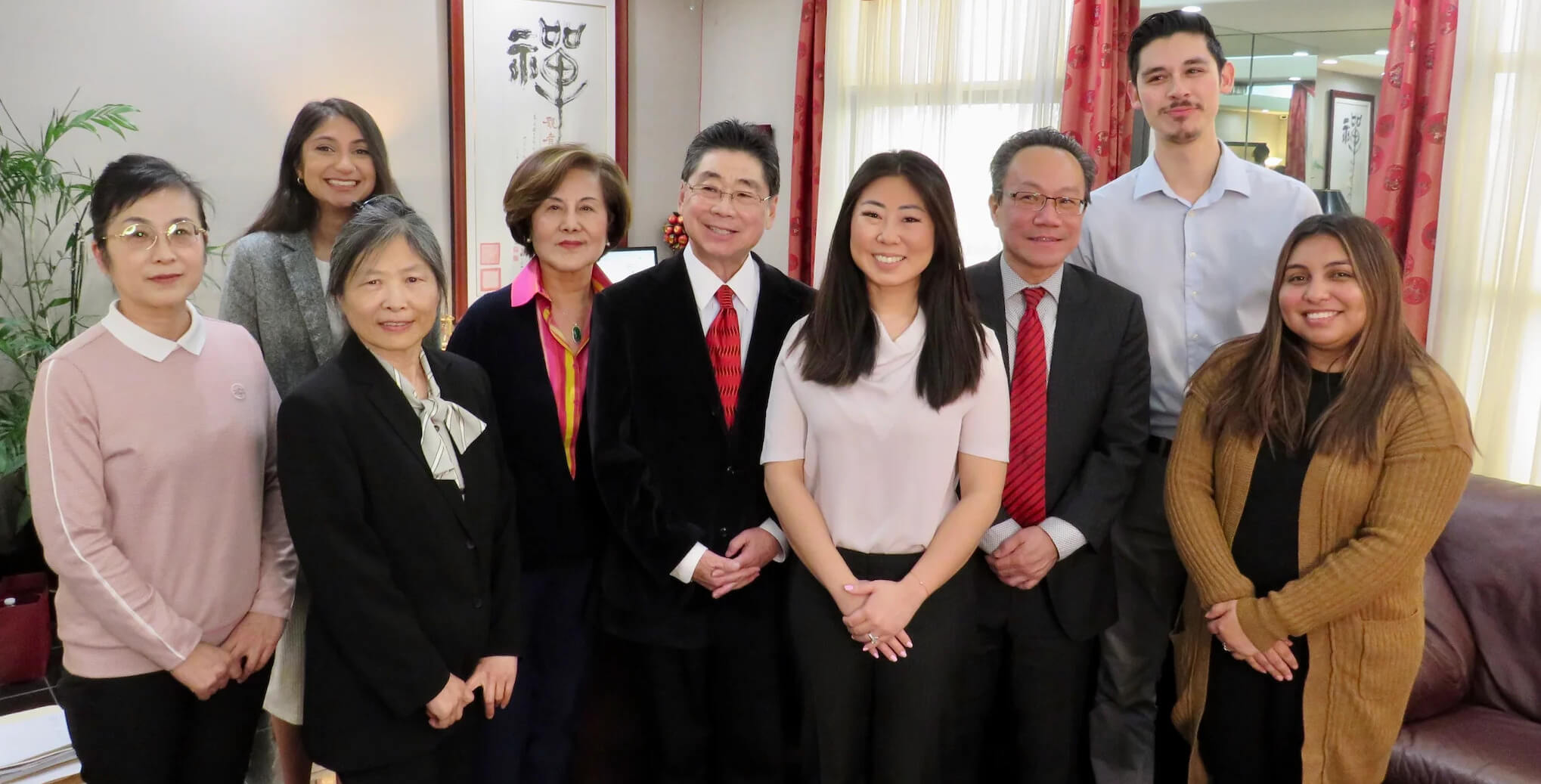
Why Choose Us?
-

Unmatched Expertise
Trust in Peter Chu's 75+ years of collective experience to guide you through complex immigration matters.
-

Tailored Solutions
Our personalized strategies adapt to your unique circumstances, ensuring we meet your specific immigration needs.
-

Proven Success
Benefit from our solid track record in achieving favorable outcomes in various immigration cases across San Diego.
-

Dedicated Service
Experience our client-first approach that ensures constant support and guidance throughout your immigration journey.


Get clear, expert legal guidance tailored to your visa, green card, or citizenship needs.

Inquire now to check if you qualify
Choosing Between DIY EB-1B Filing, General Immigration Firms, and Specialized EB-1 Counsel in San Mateo
Researchers considering EB-1B representation typically evaluate three paths: self-filing using online templates, hiring a general immigration attorney who handles all visa types, or engaging counsel focused exclusively on employment-based extraordinary ability and outstanding researcher petitions. Each has trade-offs.
Here's the honest answer: self-filed EB-1B petitions succeed when the evidence is overwhelming — 200+ citations, editorial board service at top-tier journals, named awards from nationally recognized institutions — and the researcher has time to master the two-criterion regulatory framework and evidence presentation strategy. For San Mateo researchers whose cases sit closer to the threshold — strong but not unambiguous — the cost of an RFE or denial (6–12 months of delay, potential premium processing fees spent twice, and the risk of creating an unfavorable administrative record) typically exceeds the cost of initial representation. General immigration firms offer broader service menus but may lack depth in how USCIS adjudicators weigh citation patterns in niche scientific fields or how to position corporate research roles as 'permanent' under the regulatory standard.
| Path | Timeline | Cost Structure | Evidence Strategy | Bottom Line |
|---|---|---|---|---|
| Self-Filing | 6–8 months if approved without RFE | USCIS fees only ($700–$2,275) | Template-driven, risk of underbuilding criterion evidence | Best for researchers with unambiguous international recognition |
| General Immigration Firm | 6–10 months | Flat fee $3,000–$6,000 | Multi-practice familiarity, less field-specific depth | Appropriate for straightforward cases with clear permanent offers |
| EB-1 Specialist (Our Practice) | 6–8 months | Flat fee $4,500–$7,500 | Citation analysis, expert letter sourcing, permanence memo drafting | Recommended for threshold cases, corporate researchers, and RFE-risk mitigation |
The Law Office of Peter Darwin Chu limits its practice to EB-1A, EB-1B, and EB-2 NIW petitions, ensuring every case benefits from repeated experience with how California Service Center adjudicators evaluate the outstanding researcher standard rather than divided attention across family-based, asylum, and nonimmigrant visa categories.
Frequently Asked Questions
Find answers to common questions about our services
-
Standard I-140 processing through USCIS California Service Center currently averages 6–8 months from filing to decision. Premium processing — available for an additional $2,500 fee — guarantees a decision within 15 calendar days, though it does not guaran
-
EB-1B requires a permanent job offer from a U.S. employer and at least three years of research experience; EB-1A requires no job offer but demands a higher standard of acclaim (you must show sustained national or international recognition). San Mateo rese
-
Yes. USCIS does not require sole authorship for EB-1B scholarly articles criterion. What matters is that the articles are published in scholarly journals with peer review and that you made a substantive intellectual contribution — evidenced by your author
-
A permanent position is one with no fixed end date — distinguished from postdoctoral fellowships, visiting researcher roles, or grant-funded positions with defined terms. In San Mateo, corporate research positions and tenured or tenure-track university ap
-
No. The EB-1B regulation requires at least three years of experience in teaching or research in the academic field — it does not mandate a doctoral degree. However, in practice, the vast majority of approved EB-1B petitions involve PhD holders because the
-
Yes. Your employer can file the I-140 petition while you are abroad. If approved, you would apply for an immigrant visa through consular processing at a U.S. embassy or consulate rather than adjusting status within the United States. San Mateo employers r
-
Yes, but you must address the reasons for denial in the new petition. USCIS denial notices specify which criteria were not satisfied or which evidence was insufficient. San Mateo researchers typically refile after obtaining additional expert letters, publ
-
Yes. We represent researchers across life sciences, physical sciences, engineering, computer science, and social sciences. Our EB-1B practice in San Mateo has included biotechnology researchers, computational biologists, materials engineers, and clinical
Need Personalized Immigration Guidance?

