
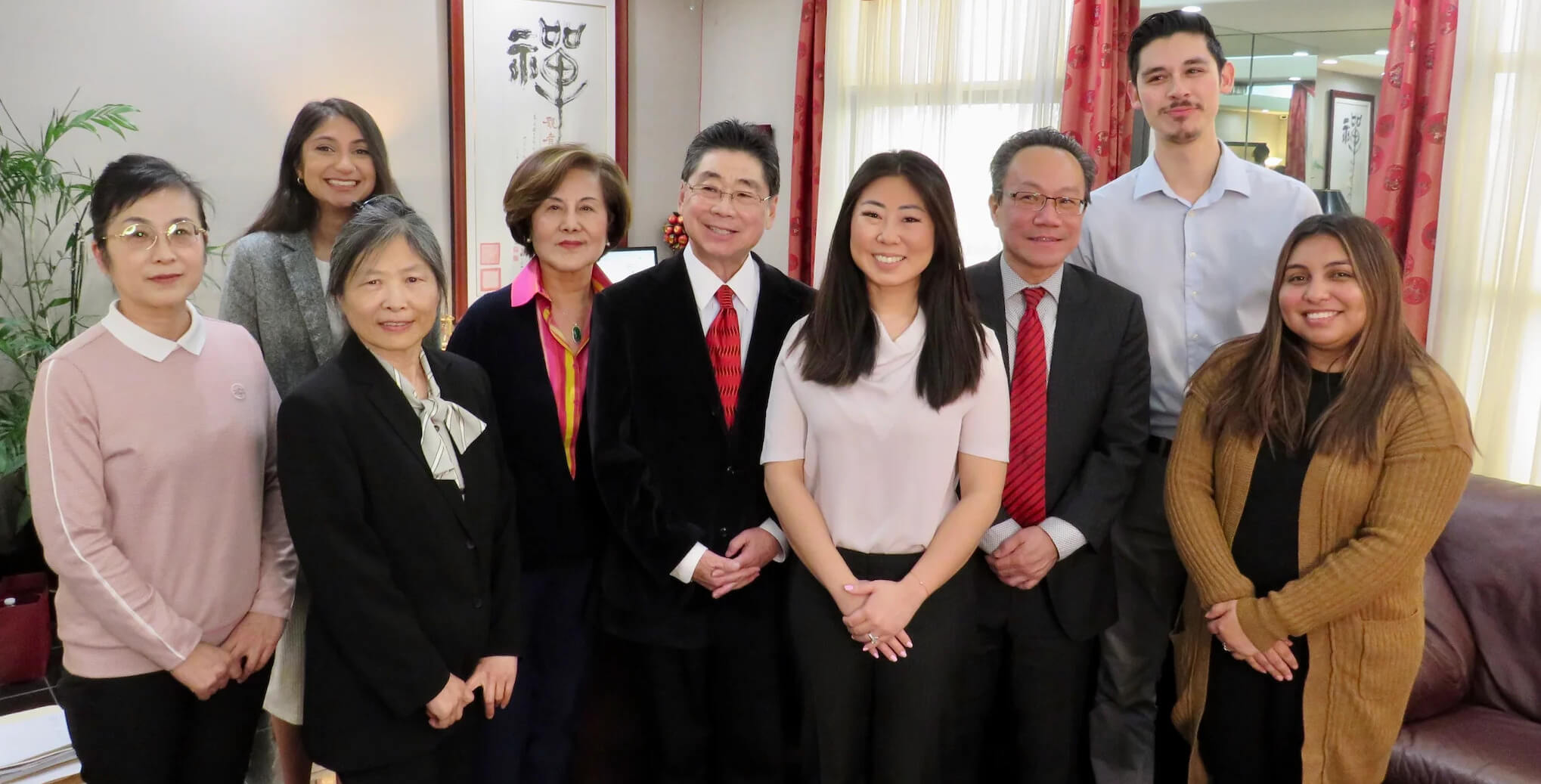
Why Choose Us?
-

Unmatched Expertise
Trust in Peter Chu's 75+ years of collective experience to guide you through complex immigration matters.
-

Tailored Solutions
Our personalized strategies adapt to your unique circumstances, ensuring we meet your specific immigration needs.
-

Proven Success
Benefit from our solid track record in achieving favorable outcomes in various immigration cases across San Diego.
-

Dedicated Service
Experience our client-first approach that ensures constant support and guidance throughout your immigration journey.


Get clear, expert legal guidance tailored to your visa, green card, or citizenship needs.

Inquire now to check if you qualify
Choosing the Right EB-1B Lawyer in Sunnyvale
Sunnyvale researchers seeking EB-1B representation encounter three common options: general immigration firms that handle all visa types, solo practitioners without support staff, and specialized employment-based immigration attorneys. General firms often lack the depth of experience with EB-1B's narrow regulatory criteria — they may draft competent petitions but miss opportunities to frame your evidence using the specific language USCIS adjudicators reward. Solo practitioners provide direct attorney access but may face capacity constraints during peak filing seasons.
Here's the honest answer: EB-1B outstanding researcher petitions are won or lost in the evidence compilation phase — not the legal brief. The difference between approval and RFE is whether your publication record was analyzed for sustained acclaim indicators, whether your citation metrics were benchmarked against field norms, and whether your independent expert letters addressed the specific regulatory criteria by name. Law office of Peter Darwin Chu conducts this analysis before drafting begins — not after USCIS issues a deficiency notice.
| Option | Evidence Analysis | Regulatory Depth | Professional Assessment |
|---|---|---|---|
| General immigration firm | Template-based checklist | Surface-level compliance review | May miss nuanced criteria interpretation |
| Solo practitioner | Direct attorney review, limited research support | Strong on fundamentals, capacity constraints | Quality depends on current caseload |
| Law office of Peter Darwin Chu | Attorney-led evidence benchmarking before drafting | EB-1 specialization with precedent decision library | Structured for researchers who need sustained acclaim documentation |
Frequently Asked Questions
Find answers to common questions about our services
-
EB-1B petitions filed without Premium Processing average 6–10 months for USCIS adjudication. Petitions filed with Form I-907 Premium Processing receive decisions within 15 calendar days. Once the I-140 petition is approved, adjustment of status (if filed
-
International recognition means acclaim beyond your immediate professional circle — typically demonstrated through citation of your work by independent researchers, invitations to review manuscripts for peer-reviewed journals, authorship in high-impact pu
-
Yes — EB-1B outstanding researcher petitions can be filed while you maintain H-1B status, and the filing does not jeopardize your current visa. In fact, many Sunnyvale researchers file EB-1B petitions as soon as they accumulate sufficient evidence of inte
-
EB-1B requires a permanent job offer and employer sponsorship; EB-1A allows self-petitioning without a job offer. EB-1A has a higher evidentiary standard — requiring sustained national or international acclaim and documentation that you are among the smal
-
EB-1B legal fees typically range from $6,000–$12,000 depending on case complexity, evidence volume, and whether expert letters require substantial coordination. Government filing fees add $700 for Form I-140, $1,225 for adjustment of status, and $2,805 fo
-
You must demonstrate international recognition through at least two of six regulatory criteria: major prizes or awards, membership in associations requiring outstanding achievements, published material about your work in professional publications, partici
-
Yes — meeting two of the six criteria is necessary but not always sufficient. USCIS applies a two-step analysis: first, whether you meet at least two criteria, and second, whether the totality of evidence demonstrates sustained international acclaim. Peti
-
An RFE means USCIS identified gaps in the initial evidence and is providing an opportunity to submit additional documentation before making a final decision. Common RFE issues include insufficient proof of international recognition, unclear permanent job
Need Personalized Immigration Guidance?

