
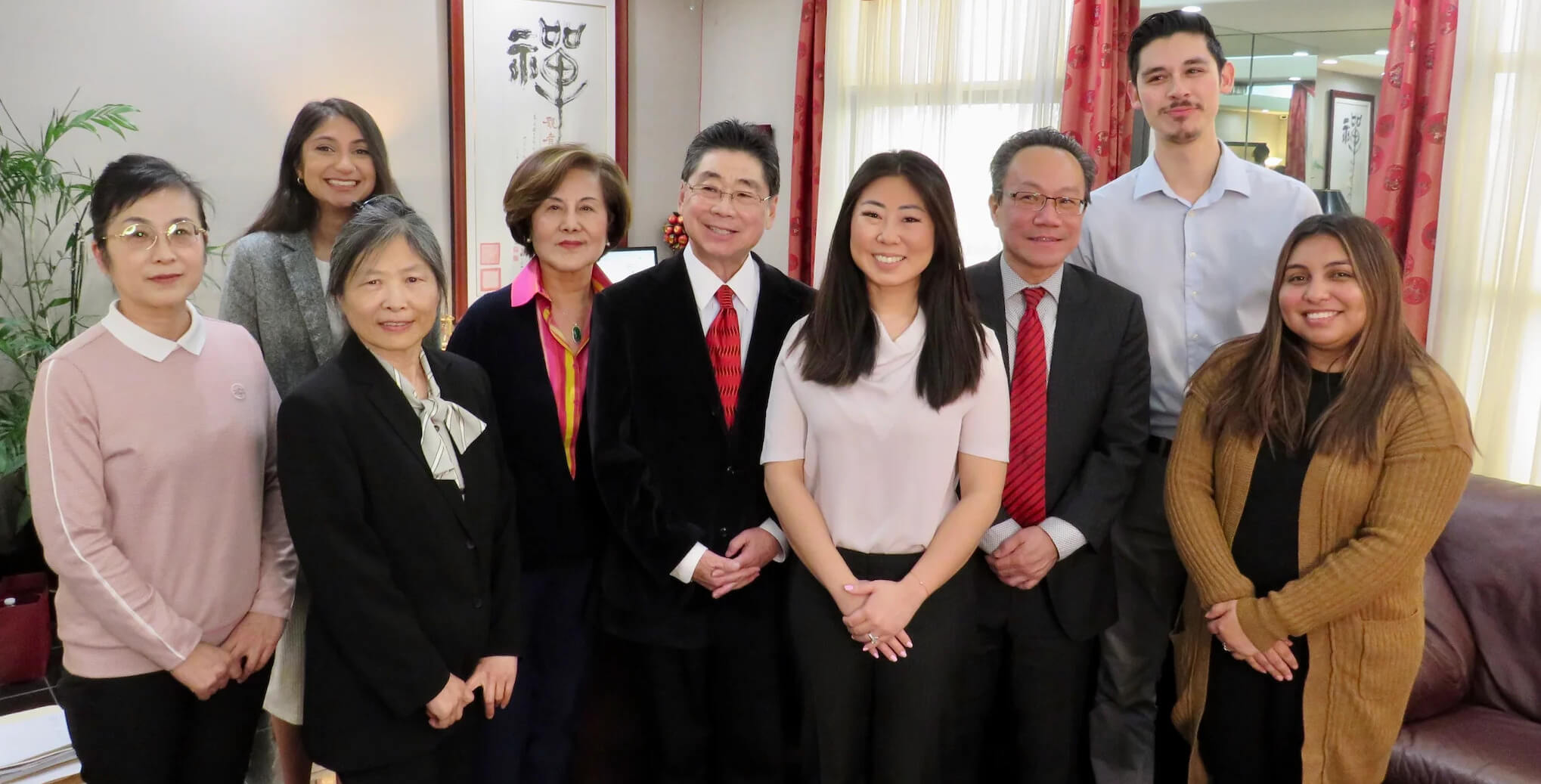
Why Choose Us?
-

Unmatched Expertise
Trust in Peter Chu's 75+ years of collective experience to guide you through complex immigration matters.
-

Tailored Solutions
Our personalized strategies adapt to your unique circumstances, ensuring we meet your specific immigration needs.
-

Proven Success
Benefit from our solid track record in achieving favorable outcomes in various immigration cases across San Diego.
-

Dedicated Service
Experience our client-first approach that ensures constant support and guidance throughout your immigration journey.


Get clear, expert legal guidance tailored to your visa, green card, or citizenship needs.

Inquire now to check if you qualify
Why Compton Executives Choose Specialized EB-1C Counsel Over General Immigration Services
Compton business owners considering EB-1C representation face a choice between general immigration practitioners, document preparation services, and attorneys specializing in employment-based immigrant visas. General immigration firms handle dozens of visa categories but may lack depth in EB-1C qualifying relationship documentation and managerial capacity analysis. Document preparation services offer lower fees but provide no legal advice on corporate structure issues or RFE strategy. Here's the honest answer: EB-1C petitions require both corporate law knowledge and immigration law expertise — the qualifying relationship analysis is a business law question, while the managerial capacity assessment is an immigration law standard. Law office of Peter Darwin Chu combines both, reviewing corporate ownership documents and drafting legal arguments specific to USCIS adjudication standards.
| Service Type | EB-1C Corporate Structure Review | RFE Response Strategy | Managerial Capacity Analysis | Professional Assessment |
|---|---|---|---|---|
| General Immigration Firm | Basic review | Template responses | Standard job description | May lack depth in complex corporate relationships |
| Document Prep Service | Not provided | Not provided | Client self-prepared | No legal advice — high RFE risk |
| EB-1C Specialized Attorney | Detailed ownership analysis | Custom legal argument | USCIS policy-aligned | Comprehensive but essential for approval |
| Law Office of Peter Darwin Chu | Multi-entity structure documentation | Case-specific evidence strategy | Executive vs. manager distinction | California-licensed, EB-1C-focused immigration counsel |
Frequently Asked Questions
Find answers to common questions about our services
-
EB-1C processing timelines depend on USCIS service center workload and whether you request premium processing. Standard I-140 adjudication currently averages 4–6 months, while premium processing (Form I-907) guarantees a 15-business-day response for an ad
-
EB-1C legal fees vary based on case complexity, including the number of related corporate entities, prior RFEs, and whether the petition involves an L-1A to EB-1C transition. Law office of Peter Darwin Chu provides fee quotes after an initial consultation
-
Yes, L-1A status is not a prerequisite for EB-1C classification. You can file an EB-1C petition directly if you meet the eligibility requirements: at least one continuous year of employment abroad with the foreign entity in an executive or managerial role
-
Under 8 CFR 204.5(j)(2), a managerial position is one in which the employee primarily manages the organization or a department, function, or component; supervises and controls the work of other supervisory, professional, or managerial employees; has autho
-
EB-1C is reserved for multinational executives and managers transferring from a foreign entity, requires no labor certification, and is not subject to per-country limits in the same way as EB-2. EB-2 requires an advanced degree or exceptional ability, man
-
Yes, your spouse and unmarried children under 21 qualify for derivative status under your approved EB-1C petition. They receive the same priority date and can adjust status or apply for immigrant visas simultaneously with your application. Derivative bene
-
An approved I-140 EB-1C petition remains valid even if the sponsoring U.S. employer goes out of business, provided the approval was in place for at least 180 days before the company closed and you have filed Form I-485 (adjustment of status). Under the Am
-
Yes, the U.S. petitioning employer must demonstrate ability to pay the proffered wage from the priority date onward, even in EB-1C cases. USCIS evaluates this using the company's federal tax returns, audited financial statements, or annual reports. Accept
Need Personalized Immigration Guidance?

