
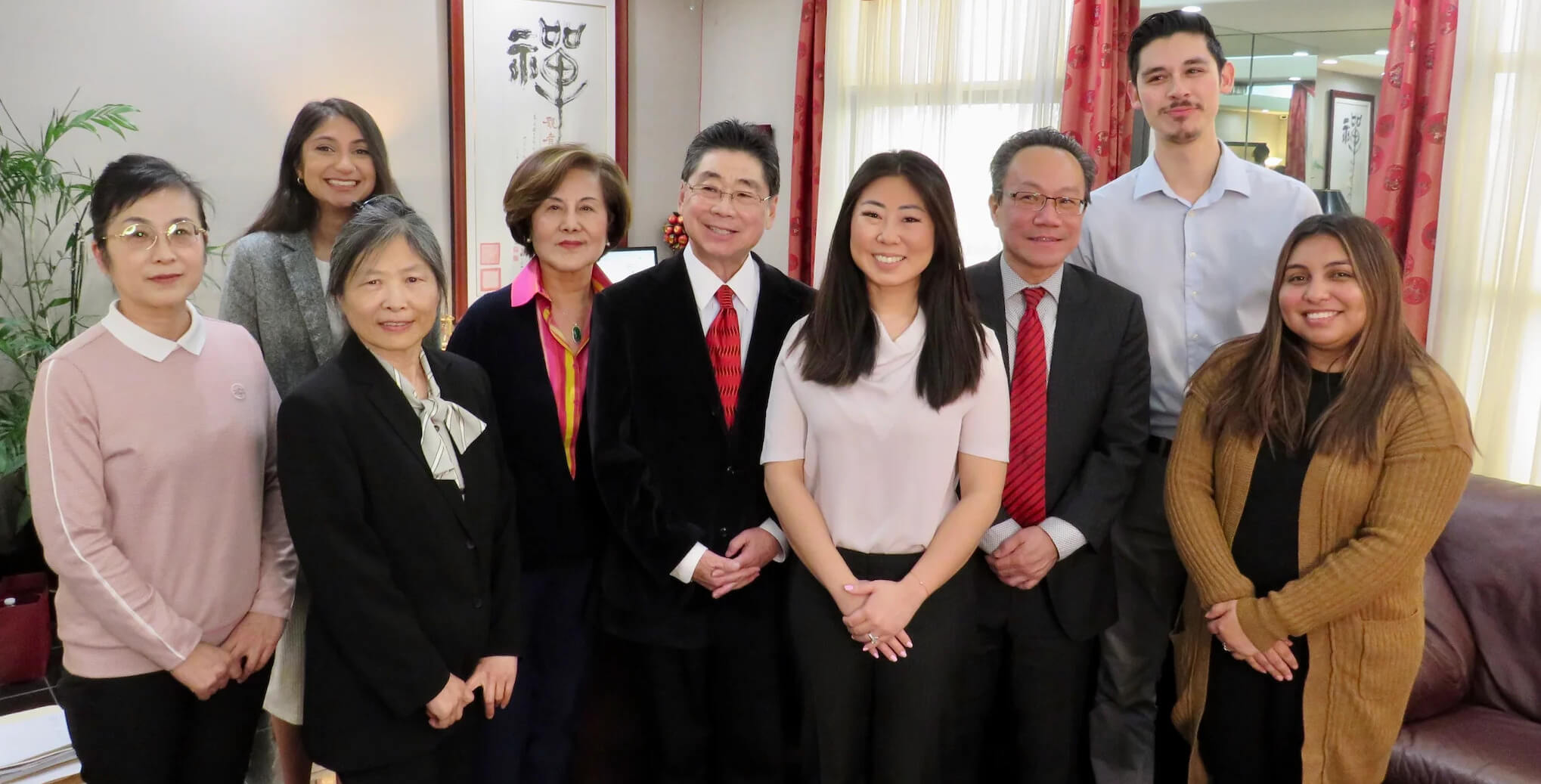
Why Choose Us?
-

Unmatched Expertise
Trust in Peter Chu's 75+ years of collective experience to guide you through complex immigration matters.
-

Tailored Solutions
Our personalized strategies adapt to your unique circumstances, ensuring we meet your specific immigration needs.
-

Proven Success
Benefit from our solid track record in achieving favorable outcomes in various immigration cases across San Diego.
-

Dedicated Service
Experience our client-first approach that ensures constant support and guidance throughout your immigration journey.


Get clear, expert legal guidance tailored to your visa, green card, or citizenship needs.

Inquire now to check if you qualify
EB-1C Attorney Los Angeles vs. General Immigration Practitioner vs. Corporate In-House Counsel
Not every immigration attorney handles employment-based petitions, and not every corporate legal department has USCIS adjudication expertise. Here's the honest answer: general immigration practitioners who primarily handle family-based cases or naturalization often lack the specialized knowledge required to navigate EB-1C managerial capacity standards, RFE trends at the California Service Center, and the evidentiary requirements for proving qualifying corporate relationships under 8 USC 1153(b)(1)(C). Corporate in-house counsel may draft the business documents but typically lack immigration law expertise and refer these matters to outside counsel. Law office of Peter Darwin Chu focuses exclusively on employment-based immigrant and nonimmigrant visas, ensuring your EB-1C petition is prepared by an attorney who understands both immigration law and the operational realities of multinational corporate structures in Los Angeles.
| Factor | General Immigration Practitioner | Corporate In-House Counsel | EB-1C Attorney Los Angeles (Law office of Peter Darwin Chu) |
|---|---|---|---|
| Managerial Capacity Analysis | Surface-level review | Business knowledge, limited immigration law | Direct USCIS adjudication experience, precedent case analysis |
| RFE Response Strategy | Generic template responses | Refers to outside counsel | Tailored responses citing 8 CFR and AAO precedent decisions |
| Corporate Relationship Documentation | May miss indirect ownership issues | Strong business docs, weak immigration evidence | Comprehensive stock certificates, financials, and legal opinions |
| Processing Time Transparency | Vague timelines | No direct USCIS experience | Current California Service Center data, premium processing coordination |
Frequently Asked Questions
Find answers to common questions about our services
-
USCIS processing times for I-140 EB-1C petitions filed at the California Service Center currently average 6.4 months as of January 2026, though this varies based on case complexity and RFE issuance. Premium processing (15-day adjudication) is intermittent
-
L-1A is a nonimmigrant visa allowing temporary transfer of executives and managers to the U.S., valid for up to seven years. EB-1C is an immigrant visa providing permanent residency (green card) based on similar managerial capacity standards. The key diff
-
Your employer must be the petitioner — EB-1C requires employer sponsorship because it is based on a permanent job offer from a U.S. entity. You cannot self-petition under EB-1C. If you qualify as an individual of extraordinary ability, you may instead pur
-
Managerial capacity is defined under 8 CFR 204.5(j)(2) and requires that the employee primarily manage the organization, a department, or a function — and supervise professional employees or manage an essential function of the organization. In Los Angeles
-
USCIS filing fees for Form I-140 are currently $715 (as of 2026), plus $2,805 if premium processing is requested. Attorney fees for EB-1C representation vary by case complexity but typically range from $5,000 to $12,000 for petition preparation, evidence
-
If USCIS denies the I-140 petition, you receive a written decision explaining the basis for denial — typically failure to establish managerial capacity, insufficient proof of the qualifying relationship, or inability to demonstrate ability to pay. You may
-
No — EB-1C petitions are exempt from the PERM labor certification process required for EB-2 and EB-3 cases. This means your employer does not need to advertise the position, conduct recruitment, or obtain a prevailing wage determination from the Departmen
-
Yes — your spouse and unmarried children under 21 qualify as derivative beneficiaries and may apply for permanent residency simultaneously with your I-140 approval. If you are already in the U.S., they file Form I-485 (adjustment of status) concurrently w
Need Personalized Immigration Guidance?

