
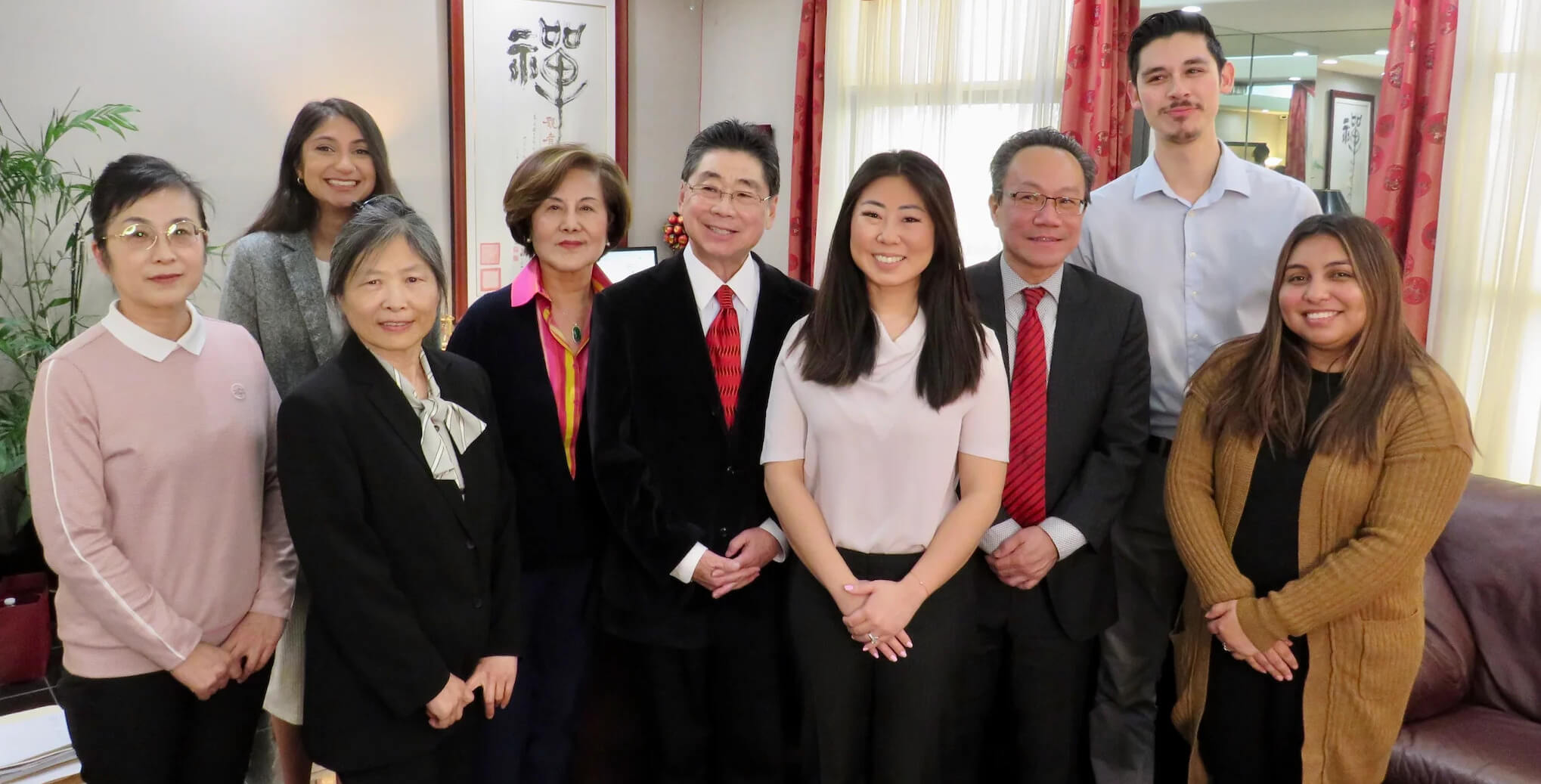
Why Choose Us?
-

Unmatched Expertise
Trust in Peter Chu's 75+ years of collective experience to guide you through complex immigration matters.
-

Tailored Solutions
Our personalized strategies adapt to your unique circumstances, ensuring we meet your specific immigration needs.
-

Proven Success
Benefit from our solid track record in achieving favorable outcomes in various immigration cases across San Diego.
-

Dedicated Service
Experience our client-first approach that ensures constant support and guidance throughout your immigration journey.


Get clear, expert legal guidance tailored to your visa, green card, or citizenship needs.

Inquire now to check if you qualify
Choosing EB-1C Representation: Attorney vs. DIY Petition vs. Corporate HR Filing
Multinational managers face three paths for EB-1C petitions: hiring an immigration attorney, filing pro se (self-represented), or relying on corporate human resources or in-house counsel. Each has cost and risk tradeoffs. Here's the honest answer: EB-1C petitions require legal interpretation — not just form completion. USCIS adjudicators evaluate whether your role meets the statutory definition of
Frequently Asked Questions
Find answers to common questions about our services
-
L-1A visa holders can maintain valid status through extensions while an EB-1C petition is pending, and USCIS regulations permit L-1A extensions in one-year increments beyond the standard five-year maximum if an approved I-140 EB-1C petition exists and a v
-
Yes, but with additional evidentiary requirements. USCIS permits EB-1C petitions for newly established U.S. offices if the petition demonstrates that the U.S. entity has been doing business for at least one year, that it has the organizational and financi
-
Once you file Form I-485 (adjustment of status application), leaving the U.S. without advance parole will abandon your application. Advance parole is a travel document issued by USCIS that permits international travel while I-485 is pending — it typically
-
You have two procedural options: file a motion to reopen or reconsider with the same USCIS service center that issued the denial (typically within 30 days), or file an appeal to the USCIS Administrative Appeals Office (within 30 days under 8 CFR § 103.3).
-
USCIS California Service Center — which adjudicates most EB-1C petitions filed by California employers — currently processes I-140 petitions in 4.5–6 months under regular processing. Premium processing (Form I-907) guarantees a 15-business-day response fo
-
L-1A is a nonimmigrant (temporary) visa for intracompany transferees in managerial or executive roles, valid for up to seven years with extensions. EB-1C is an immigrant visa category (green card pathway) for the same population — multinational managers a
-
Yes. Your spouse and unmarried children under 21 are eligible for derivative EB-1C status as E-14 and E-15 dependents. They may be included in your initial I-140 petition and adjustment of status application, or they may follow to join after your green ca
-
No. Unlike H-1B or PERM labor certification cases, EB-1C petitions do not require prevailing wage determinations or attestations. However, your compensation must be consistent with a managerial or executive role — USCIS may question whether a position is
-
If your employer withdraws the I-140 petition before approval, your case is effectively abandoned and you must find a new sponsoring employer to file a new petition. If the I-140 is approved but you are terminated before filing or after filing adjustment
-
Generally no — at the time of I-140 filing. EB-1C requires that you will be employed in the United States in a managerial or executive capacity by a U.S. entity. Remote work from abroad does not satisfy this requirement. However, if you are employed abroa
Need Personalized Immigration Guidance?

