
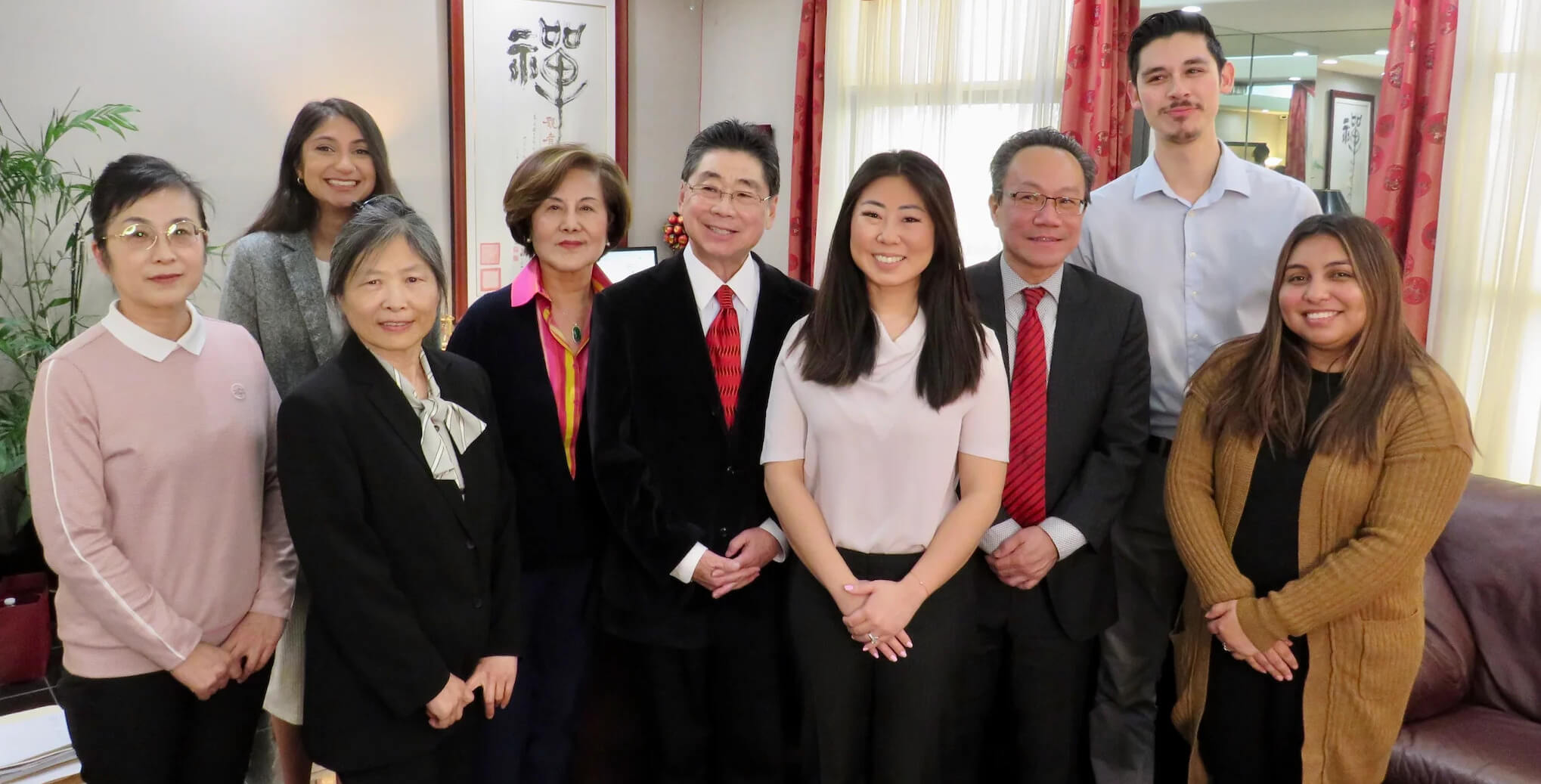
Why Choose Us?
-

Unmatched Expertise
Trust in Peter Chu's 75+ years of collective experience to guide you through complex immigration matters.
-

Tailored Solutions
Our personalized strategies adapt to your unique circumstances, ensuring we meet your specific immigration needs.
-

Proven Success
Benefit from our solid track record in achieving favorable outcomes in various immigration cases across San Diego.
-

Dedicated Service
Experience our client-first approach that ensures constant support and guidance throughout your immigration journey.


Get clear, expert legal guidance tailored to your visa, green card, or citizenship needs.

Inquire now to check if you qualify
Choosing Between DIY EB-1C Filing, General Practice Attorneys, and Immigration-Focused Firms
Multinational employers face three paths: filing the EB-1C petition in-house using company HR staff, hiring a general practice attorney with limited immigration experience, or retaining a firm that exclusively handles employment-based visas. Here's the honest answer: EB-1C petitions carry one of the highest RFE rates among employment-based immigrant categories — USCIS challenges managerial capacity claims, questions qualifying relationships, and scrutinizes financial documentation with intensity that general practitioners rarely anticipate. In-house HR teams lack access to USCIS policy memos, adjudicator training materials, and Administrative Appeals Office decisions that shape how cases are evaluated. The Law office of Peter Darwin Chu practices only immigration law, files EB-1C petitions directly with the California Service Center, and structures every case to preempt the three most common RFE triggers before the petition is submitted.
| Approach | Managerial Capacity Analysis | Qualifying Relationship Evidence | RFE Anticipation | Professional Assessment |
|---|---|---|---|
| DIY In-House Filing | Job description only | Stock certificates | Reactive | High risk — no legal standard applied |
| General Practice Attorney | Role summary | Basic org chart | Limited | Moderate risk — lacks USCIS-specific experience |
| Immigration-Focused Firm (Law office of Peter Darwin Chu) | Functional analysis, supervision evidence, decision-making authority | Stock ledgers, financial consolidation, IRS filings | Proactive brief addresses common RFE points before filing | Structured to USCIS evidentiary standards |
Frequently Asked Questions
Find answers to common questions about our services
-
Standard EB-1C processing at the California Service Center averages 6–10 months from filing to decision. Premium processing (Form I-907, additional $2,805 fee as of 2026) guarantees adjudication within 15 calendar days. Once the I-140 is approved, benefic
-
USCIS filing fees for Form I-140 are $715 (as of 2026), plus $2,805 if premium processing is requested. Attorney fees for EB-1C petition preparation vary by case complexity — typical ranges are $5,000–$10,000 for straightforward cases with clear qualifyin
-
Yes — USCIS recognizes two types of managerial capacity under 8 CFR § 204.5(j)(2): personnel management (supervision of professional employees) and function management (control of an essential function of the organization). A function manager does not req
-
USCIS requires proof that the U.S. and foreign entities are related as parent, subsidiary, affiliate, or branch. For a subsidiary relationship, provide stock certificates showing the foreign entity owns at least 50% of the U.S. company, corporate bylaws,
-
Yes — the foreign entity must have been doing business for at least one year before the EB-1C petition is filed, under 8 CFR § 204.5(j)(3)(i)(D). 'Doing business' means regular, systematic, and continuous provision of goods or services — not merely the ex
-
Only if the beneficiary holds valid work authorization independent of the EB-1C petition — such as H-1B, L-1A, or E-2 status. Filing an I-140 petition alone does not grant work authorization. If the beneficiary is in the United States and eligible to file
-
Approved EB-1C petitions remain valid as long as the beneficiary is employed in a substantially similar managerial or executive role — even if ownership changes. However, if the new owner is not a qualifying affiliate of the original foreign entity, the b
-
The EB-1C visa is an immigrant (permanent residence) pathway; the L-1A is a nonimmigrant (temporary) visa. Both require the beneficiary to have worked for a foreign affiliate in a managerial or executive role for at least one year in the three years befor
Need Personalized Immigration Guidance?

